
Whole Home Solar Generator Guide: Your 2025 Starter Manual
Imagine a future where a whole home solar generator keeps your lights on, no matter the storm or blackout. With this 2025 starter manual, you gain expert guidance to select, install, and maximize a solar system for your entire home.
Unlock the knowledge to achieve true energy independence and lower your bills. Inside, discover how these systems work, essential components, sizing strategies, cost breakdowns, maintenance tips, and the latest trends.
Ready to protect your home from outages and rising costs? This step-by-step guide empowers you to take control of your energy future, starting today.
Understanding Whole Home Solar Generators
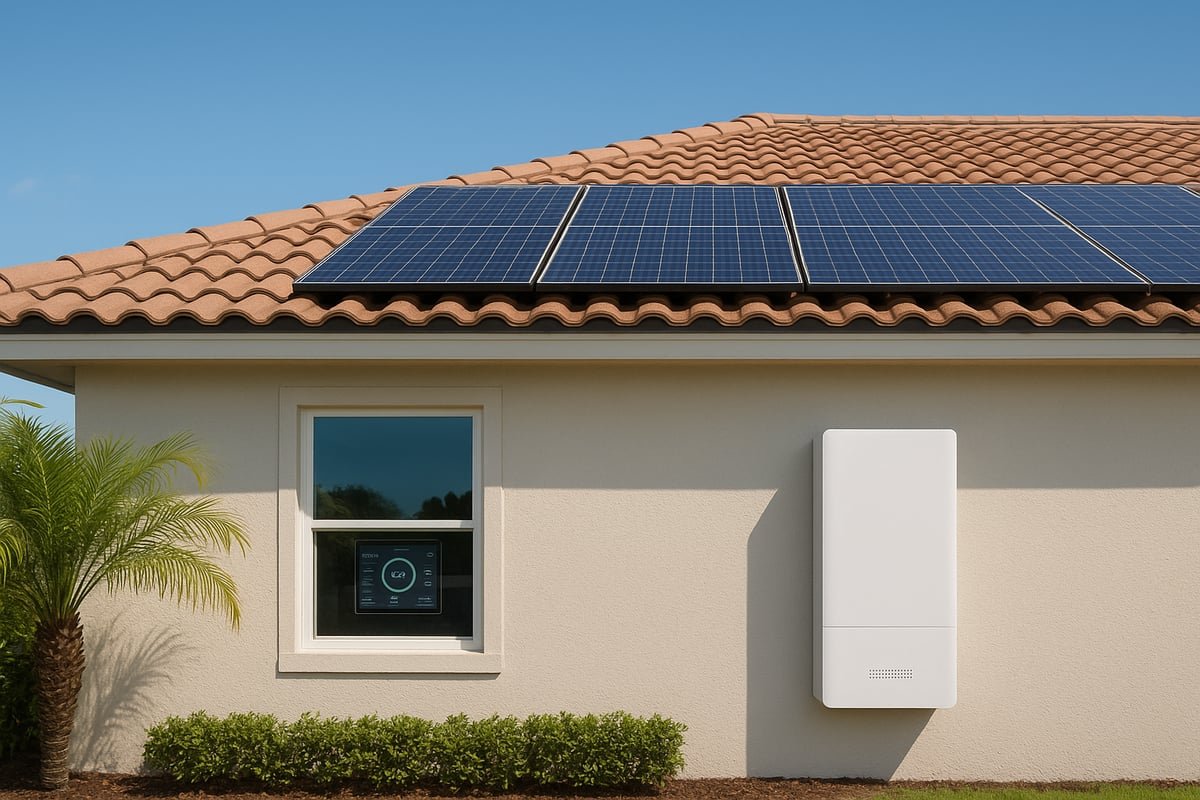
Imagine a future where your home runs on sunlight, even when the grid goes down. A whole home solar generator makes this vision possible by delivering reliable, renewable power to every corner of your property. Let’s break down what this technology means, how it works, and why more Florida homeowners are making the switch.
Understanding Whole Home Solar Generators
What is a Whole Home Solar Generator?
A whole home solar generator is a complete energy solution designed to power your entire house using solar energy. Unlike portable generators or partial-home systems, this setup connects directly to your main electrical panel, supporting all essential and non-essential loads.
It typically includes solar panels, an inverter, a battery bank, and a charge controller. These components work together to capture, convert, and store solar energy for use day or night. Systems can be grid-tied for backup or fully off-grid for total independence.
For example, many Florida families rely on whole home solar generators during hurricane season, keeping lights, air conditioning, and appliances running when the grid fails. According to the Solar Energy Industries Association, over 3 million US homes installed solar in 2023, highlighting rapid adoption. The main advantages are clean power, energy security, and long-term savings. For a deeper dive, see this Whole House Solar System Guide.
Key Components and How They Work Together
A whole home solar generator consists of several integrated parts:
Solar panels: Available in monocrystalline, polycrystalline, and thin-film, each with different efficiency rates.
Inverters: Convert DC electricity from panels into AC for home use.
Battery storage: Most systems use lithium-ion batteries for longer lifespan and greater capacity than traditional lead-acid options.
Charge controllers: Manage energy flow and protect battery health.
Automatic transfer switches: Enable seamless backup during outages.
Compatibility is crucial—components must work together for safe, efficient operation. Smart monitoring platforms, like those used with Tesla Powerwall systems, allow homeowners to track performance and energy usage in real time.
Benefits of Whole Home Solar Generators
The benefits of a whole home solar generator extend beyond just backup power:
Energy independence: Maintain comfort and safety during blackouts or storms.
Lower electricity bills: Solar production reduces reliance on the utility grid, shielding you from rate hikes.
Environmental impact: Shrink your carbon footprint with clean, renewable energy.
Increased home value: Homes with solar sell for 4.1% more, according to Zillow.
Financial incentives: Federal and state programs help offset installation costs.
Real-world results: In storm-prone regions, families report significant savings and unwavering reliability year-round.
Common Misconceptions and Limitations
Several myths surround whole home solar generator systems:
Some believe they can’t power an entire house. In reality, proper sizing and battery capacity make full-home coverage possible.
Weather dependency is a concern, but battery storage and hybrid systems provide power during cloudy days or at night.
Upfront costs may seem high, yet long-term savings and incentives balance the investment.
Maintenance worries are often overblown. Modern systems require only minimal routine care.
It’s important to set realistic expectations: while most needs are met, extremely high-power appliances may need special consideration.
Is a Whole Home Solar Generator Right for You?
Deciding if a whole home solar generator fits your needs starts with a few questions:
What are your average daily and peak energy requirements?
Does your location offer strong sun exposure and adequate roof space?
Are you prepared for the initial investment, and have you explored financing or incentives?
Do local regulations or HOA rules affect installation?
For Florida homeowners, consider storm resilience and grid reliability.
By weighing these factors, you can determine if investing in a whole home solar generator will deliver the energy independence and peace of mind you seek.
Step-by-Step: Planning and Sizing Your System
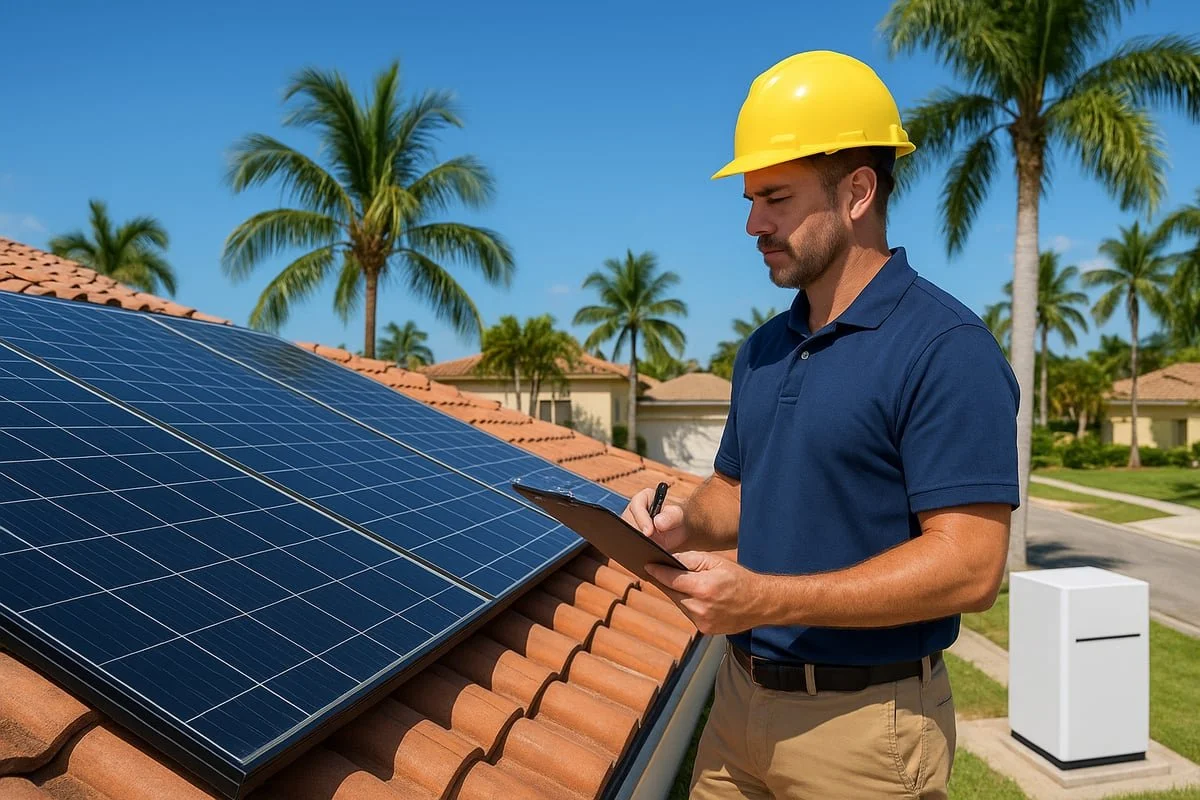
Ready to design your whole home solar generator? Careful planning ensures your system meets your energy needs, maximizes savings, and delivers dependable backup power. Follow these key steps to build a resilient, cost-effective solar solution for your home.
Step-by-Step: Planning and Sizing Your System
Assess Your Home’s Energy Consumption
Understanding your household’s energy use is the first step in planning a whole home solar generator. Start by reviewing your utility bills to find your average daily and monthly kilowatt-hour (kWh) usage. Many homes also have smart meters or online dashboards for real-time monitoring.
Identify which appliances and systems are essential during outages, such as refrigerators, HVAC, and lighting. Use online calculators or spreadsheet templates to log each device’s wattage and typical run time. Remember, energy use can spike during summer in Florida due to air conditioning, so factor in seasonal variations.
Here is a quick process:
Gather 12 months of electricity bills.
List all major appliances and their wattage.
Use online tools to estimate daily and peak kWh.
For example, a typical Florida home might consume 30-40 kWh per day, with peaks during hot months. This data forms the foundation for your whole home solar generator design.
Evaluate Your Solar Potential
Next, analyze your property’s ability to harness solar energy. Check your roof’s orientation—south-facing roofs usually capture the most sunlight in the US. The angle and pitch of your roof, as well as shading from trees or nearby buildings, will affect system performance.
Use the National Renewable Energy Laboratory’s PVWatts calculator to estimate average sun hours per day for your location. Florida typically enjoys 4.5-6 sun hours daily, making it ideal for solar installations.
Consider whether roof-mount or ground-mount arrays are best for your property. Ground-mount systems can be optimal if your roof space is limited or shaded. Always account for local weather patterns, as regular storms may impact solar generation.
A thorough site assessment ensures your whole home solar generator operates at peak efficiency.
Sizing the Solar Array and Battery Bank
With your energy needs and solar potential mapped, it’s time to size your system. Match your whole home solar generator capacity (kW) to your daily consumption and available sunlight. For example, a home using 35 kWh daily in Florida might require a 10 kW solar array.
Battery storage is crucial for backup power. Calculate the number of hours or days you want to sustain critical loads during outages. Common whole home battery banks range from 10-40 kWh or more. Oversizing your system allows for future needs, like adding an electric vehicle.
For a detailed look at designing off-grid or hybrid systems, see the Off-Grid Solar Power Guide. This resource explores how to ensure uninterrupted power, even in challenging conditions.
Choosing the Right Equipment and Technology
Selecting premium components is key for a reliable whole home solar generator. Compare solar panel types—monocrystalline panels offer the highest efficiency, while polycrystalline and thin-film are budget-friendly alternatives. Review panel efficiency ratings and manufacturer warranties.
Inverters convert DC power from panels to AC for your home. String inverters are cost-effective, while microinverters and hybrid models improve performance in shaded or complex setups.
For battery storage, lithium-ion batteries are preferred for their lifespan and efficiency, but lead-acid options may suit some budgets. Consider smart monitoring platforms and integration with home automation systems for real-time control and diagnostics.
Popular brands like Enphase and SolarEdge are trusted for whole home solar generator projects. Choose equipment that is compatible and scalable for future upgrades.
Navigating Permits, Incentives, and Regulations
Before installation, understand local permitting and regulatory requirements for a whole home solar generator in Florida. Secure permits from your city or county and ensure compliance with the National Electrical Code (NEC).
Take advantage of the federal Investment Tax Credit (ITC), offering a 30% deduction on system costs through 2025. Investigate state and utility rebates, as well as net metering programs that credit you for excess power sent to the grid.
Check for homeowner association (HOA) restrictions, which may affect system placement or appearance. Staying informed about these regulations helps streamline your project and maximize incentives.
Budgeting and Financing Options
Whole home solar generator systems are a significant investment, so careful budgeting is essential. Costs typically include equipment, installation labor, permits, and soft costs. Average system prices in Florida range from $20,000 to $60,000+, depending on size and features.
Explore financing options such as solar loans, leases, power purchase agreements (PPAs), or cash purchases. Calculate your expected payback period—usually 7-10 years for most homes—by factoring in energy savings, incentives, and local utility rates.
Request multiple quotes and use online resources to compare offers. A well-planned budget ensures your whole home solar generator delivers long-term value and peace of mind.
Installation Process: From Site Prep to Switch-On
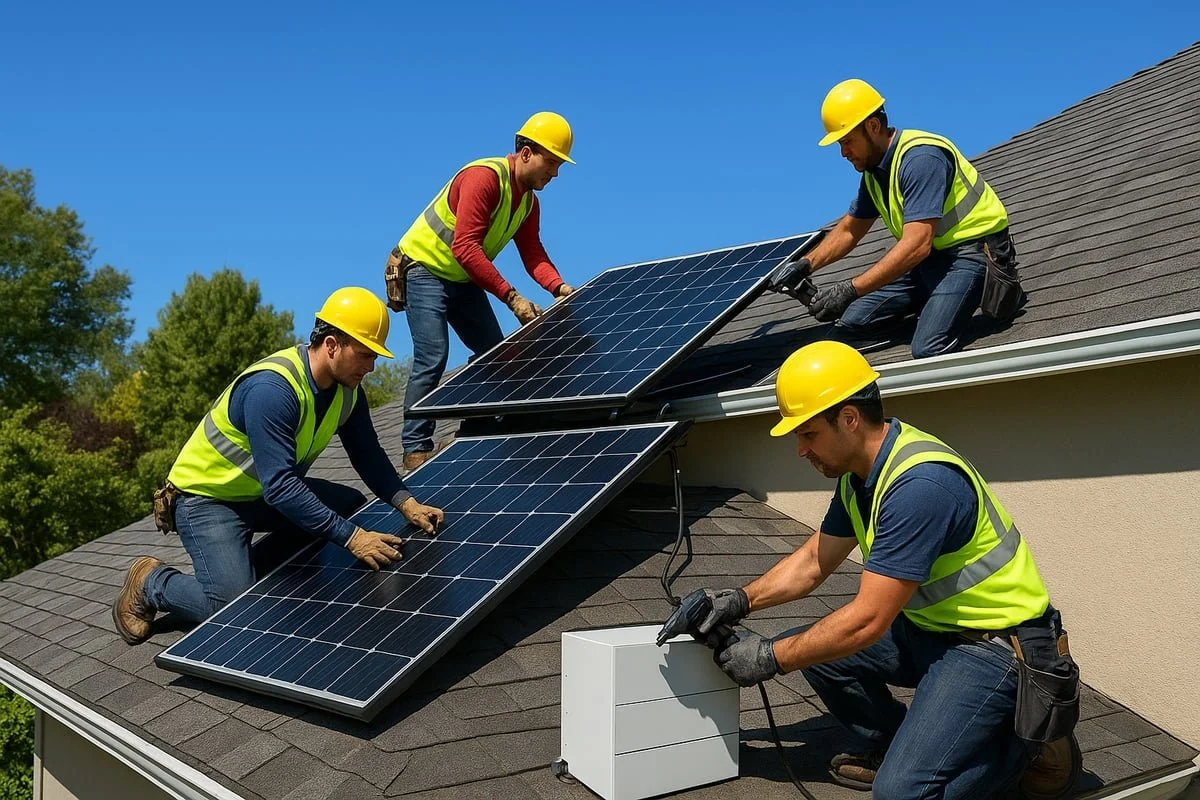
Embarking on a whole home solar generator installation is a detailed process that transforms your home’s energy resilience. Each step, from the initial assessment to the final switch-on, is crucial for system performance and long-term satisfaction. Let’s break down what you can expect as your system comes to life.
Installation Process: From Site Prep to Switch-On
Site Assessment and System Design
The first step in any whole home solar generator project is a comprehensive site assessment. Professionals evaluate your roof or ground area, checking for shading, structural integrity, and optimal panel placement. This ensures your system captures the maximum sunlight year-round.
A custom system design follows, tailored to your home’s unique energy profile and backup needs. Technicians use 3D modeling and shade analysis tools to map out panel layouts and battery sizing. For Florida homes, attention is paid to hurricane readiness and local climate challenges.
A typical site visit checklist includes:
Roof or ground condition inspection
Shading and sun exposure analysis
Space measurements for panels and batteries
Electrical system compatibility check
This foundational step sets the stage for a seamless whole home solar generator installation.
Permitting and Utility Interconnection
Navigating the permitting and utility interconnection phase is essential for a compliant whole home solar generator. Installers submit detailed applications to local authorities, ensuring your design meets building codes and safety standards.
You’ll also need utility approval, especially if you plan to connect to the grid for net metering. Required inspections and documentation can introduce delays, but experienced contractors streamline the process by handling paperwork and communications.
For example, in Florida, working with utilities like Florida Power & Light requires submitting system diagrams, scheduling inspections, and coordinating net meter installation. Staying proactive during this stage helps avoid unnecessary setbacks and keeps your project on track.
Equipment Delivery and Installation
Once permits are secured, your whole home solar generator equipment arrives on-site. This includes solar panels, inverters, batteries, and mounting hardware. Delivery logistics are coordinated to minimize disruption and ensure all components are ready for installation.
The installation team prepares your roof or ground area, mounts racking systems, and installs panels with precision. Electrical wiring connects the panels to the inverter and battery bank, following strict safety protocols. Certified electricians ensure every connection is secure and compliant.
A typical installation timeline for a whole home solar generator ranges from two to five days, depending on system size and site conditions. Professional handling at this stage guarantees optimal system performance and longevity.
System Testing and Commissioning
With installation complete, rigorous system testing and commissioning begin. Electricians test all electrical connections, verify inverter and battery operation, and check for correct energy flow throughout the whole home solar generator.
Utility inspectors conduct a final review, confirming the system meets all regulatory requirements. Once approved, installers set up monitoring apps and remote access, allowing you to track performance in real time.
A customer walkthrough is provided, covering operational basics, safety tips, and how to interpret monitoring data. Your system is now officially ready to power your home, and you’re equipped with the knowledge to manage it confidently.
Backup Power Activation and Emergency Prep
Activating backup power is the final critical step for your whole home solar generator. The installation team tests the automatic transfer switch, simulating power outages to ensure a seamless transition from grid to backup power.
Battery backup runtime expectations are reviewed, so you know how long your home can operate during extended outages. Emergency protocols are explained, especially relevant for Florida’s hurricane season.
You’ll receive guidance on preparing your system for storms, including securing panels and understanding surge protection. With your whole home solar generator fully operational, you gain peace of mind and a practical plan for energy resilience in any scenario.
Cost, ROI, and Financial Benefits in 2025
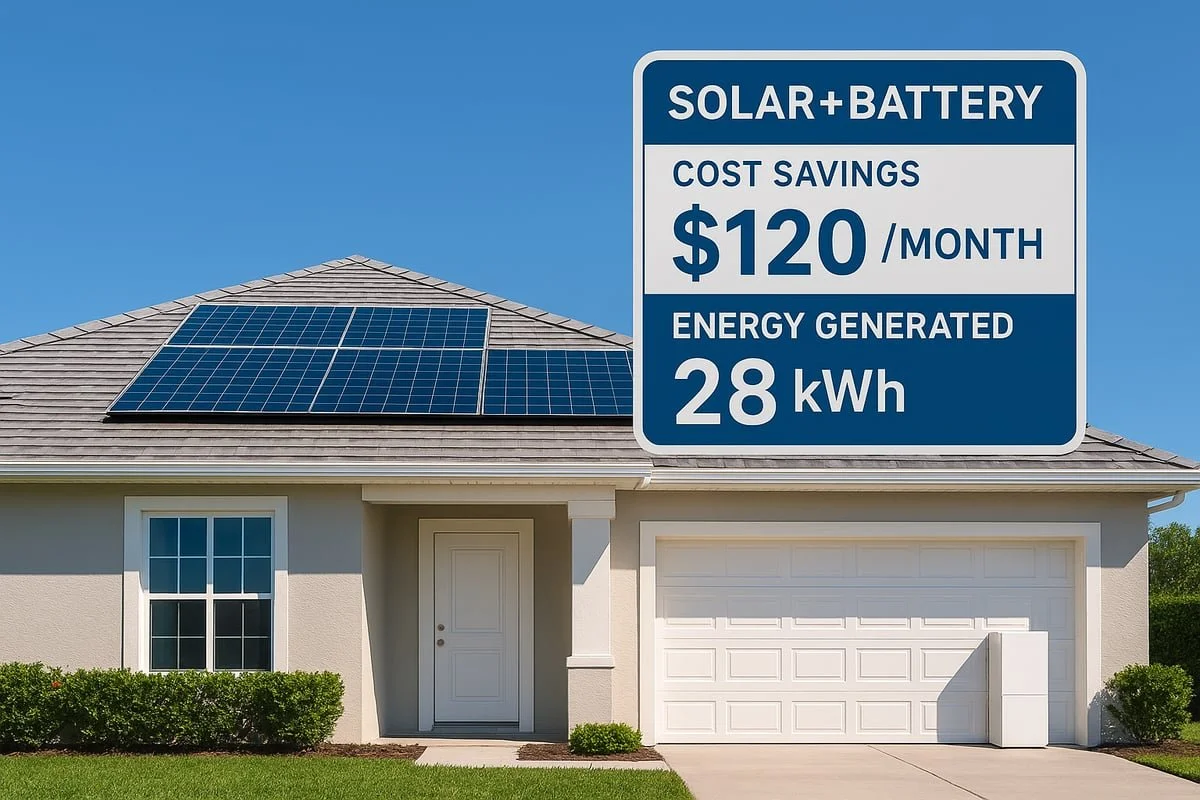
Investing in a whole home solar generator is a major financial decision, and understanding the full cost, savings, and return on investment is essential for any homeowner. This section breaks down expenses, incentives, payback timelines, property value impacts, and ongoing maintenance, helping you make an informed choice for your energy future.
Cost, ROI, and Financial Benefits in 2025
Upfront Costs Breakdown
The upfront cost of a whole home solar generator system varies based on your home’s size, energy needs, and equipment choices. Most Florida homeowners can expect to pay between $20,000 and $60,000 for a complete system, including solar panels, batteries, inverters, labor, and permits.
Here is a typical cost breakdown for a 12kW/30kWh system:
| Component | Estimated Cost |
|---|---|
| Solar Panels | $12,000 |
| Batteries | $14,000 |
| Inverters | $3,500 |
| Labor & Permits | $7,500 |
| Misc. Equipment | $3,000 |
This added value and protection further enhance the long-term benefits of investing in a whole home solar generator.
Ongoing Costs and Maintenance
Maintaining a whole home solar generator system is straightforward and cost-effective. Most homeowners spend $150 to $400 per year on routine maintenance, which includes panel cleaning, battery health checks, and professional inspections.
Battery replacement is the largest long-term cost, with most batteries lasting 10 to 15 years. Solar panels typically carry warranties of 25 years or more, ensuring reliable performance over decades.
A sample five-year maintenance schedule includes:
Annual professional inspection
Biannual panel cleaning
Battery health monitoring every six months
By following a simple maintenance routine, you can maximize the lifespan and efficiency of your whole home solar generator investment.
Maintenance, Monitoring, and Maximizing System Life
Keeping your whole home solar generator running at peak efficiency requires a combination of routine care, smart monitoring, and preparation for Florida’s unique climate. By following best practices, you can ensure your investment delivers reliable, long-term performance.
Routine Maintenance Tasks
Regular maintenance keeps your whole home solar generator system performing at its best. Start by cleaning solar panels every few months to remove dust, pollen, and debris. Use a soft brush or hose, avoiding abrasive materials that could scratch panel surfaces.
Inspect your solar array visually for damage, loose wiring, or shading from new tree growth. Check battery enclosures for signs of corrosion or leaks. Review inverter status lights and ensure all system components are securely mounted.
A professional annual inspection is recommended for a whole home solar generator. This includes electrical checks, firmware updates, and a comprehensive performance review. A simple maintenance checklist can help you stay organized and proactive.
Clean panels quarterly or after major storms
Inspect for debris, animal nests, or physical damage
Check battery terminals and inverter readouts
Remote Monitoring and Troubleshooting
Modern whole home solar generator systems come equipped with remote monitoring platforms. These smart tools provide real-time data on energy production, consumption, and battery status, all accessible via mobile apps or online dashboards.
Set up alerts for performance drops or system faults. If you notice lower output, check for shade, soiling, or tripped breakers. Many monitoring apps offer step-by-step troubleshooting guides for common issues, such as communication errors or battery warnings.
DIY troubleshooting can resolve minor problems, but always contact your installer for complex faults or persistent alarms. Keeping a close eye on your whole home solar generator through remote monitoring reduces downtime and maximizes reliability.
Extending Battery and Equipment Lifespan
Proper care extends the life of your whole home solar generator’s batteries and electronics. Avoid frequent deep discharges and try to keep battery state of charge between 20 percent and 80 percent for lithium-ion models. Schedule firmware updates to benefit from the latest efficiency and safety features.
Florida’s heat and humidity can impact battery health, so ensure adequate ventilation and shading for storage units. Plan for battery replacement every 10 to 15 years, depending on usage and chemistry.
Upgrading system components, such as inverters or monitoring devices, can further extend the useful life of your whole home solar generator. Longevity means more savings and peace of mind.
Preparing for Extreme Weather and Emergencies
A whole home solar generator provides critical backup during hurricanes and storms. Before severe weather, secure loose equipment, trim nearby trees, and check surge protection devices. Review emergency protocols with your household to ensure everyone knows how to switch to backup mode if needed.
Test the automatic transfer switch and backup functions regularly. Keep backup supplies, such as flashlights and charged battery packs, on hand. After a major weather event, inspect your system for damage and contact your installer for a professional assessment.
With the right preparation, your whole home solar generator will keep your lights on and your family safe, no matter what Florida weather brings.
Future Trends: Solar Generators in 2025 and Beyond
The world of whole home solar generator technology is evolving at an unprecedented pace. As we look toward 2025 and beyond, homeowners can expect smarter, more resilient, and more efficient systems that redefine energy independence.
Advances in Solar and Battery Technology
Recent breakthroughs are transforming the whole home solar generator market. Next-generation solar panels now offer higher efficiency, with bifacial and flexible designs capturing more sunlight from every angle. Battery technology is also advancing, with solid-state and flow batteries promising longer lifespans and greater safety.
Integration with electric vehicle charging and smart home platforms is becoming standard. For example, new battery chemistries can handle deeper cycles, making them ideal for Florida’s frequent storms. The result is a more reliable whole home solar generator system that delivers consistent power, even during extended outages.
Smart Home Integration and Automation
In 2025, a whole home solar generator is more than just panels and batteries; it is a central piece of the smart home ecosystem. AI-driven energy management systems can automatically shift loads, optimize battery charging, and respond to real-time utility rates.
Homeowners benefit from remote diagnostics, predictive maintenance alerts, and seamless control via mobile apps. Automated demand response ensures that your whole home solar generator adapts to changing weather and usage patterns. This smart integration not only simplifies daily operation but also maximizes the value of your renewable investment.
The Evolving Regulatory Landscape
Regulations and incentives are shaping the future of whole home solar generator adoption. Changes in net metering and utility policies can impact system payback and design. The Inflation Reduction Act and updated federal mandates continue to support residential solar, while state-level initiatives drive further innovation.
According to the SEIA Solar Industry Data 2025, solar capacity and employment are at all-time highs, positioning solar as a critical part of America’s energy mix. Staying informed about evolving rules is essential for anyone investing in a whole home solar generator.
Solar Generators and the Resilient Home Movement
The drive for resilience is fueling demand for whole home solar generator systems. Homeowners are creating self-sufficient sanctuaries that can withstand grid instability and climate risks. Community microgrids and virtual power plants are emerging, allowing neighborhoods to share energy and enhance reliability.
Adoption is accelerating, as seen in the rising number of U.S. homes with solar panels in 2025 (U.S. Residential Solar Installations in 2025). In Florida, neighborhoods are increasingly investing in whole home solar generator solutions to weather hurricanes and power outages, marking a shift toward true energy independence.
Now that you’ve explored how whole home solar generators work, the benefits for Florida homeowners, and the steps to get started, you might be wondering what’s next for your own energy journey. With the right guidance, you can take control of your home’s power, protect your family during outages, and enjoy lasting savings on your utility bills. If you’re ready to see how solar can fit your needs, let’s make it easy—reach out today to Get a Free Quote and take the first step toward a more resilient, energy-independent home.