
Lithium vs Lead Acid: The Ultimate Solar PV Batteries Comparison 2025
As the demand for clean energy grows, reliable solar PV batteries are becoming essential for homeowners and businesses in 2025. Choosing between lithium and lead-acid options is now a common challenge, with each technology offering unique benefits and trade-offs.
Selecting the right battery affects more than just your upfront investment. It can shape your energy independence, determine your long-term cost savings, and influence the overall lifespan of your solar system.
This article provides a comprehensive, unbiased comparison of lithium and lead-acid solar PV batteries for 2025. You will discover how these technologies differ in performance, durability, cost, safety, environmental impact, and suitability for various users.
By the end, you will have the knowledge to make an informed decision and confidently select the best battery solution for your solar needs.
Solar PV Battery Technologies: Lithium vs Lead Acid Explained
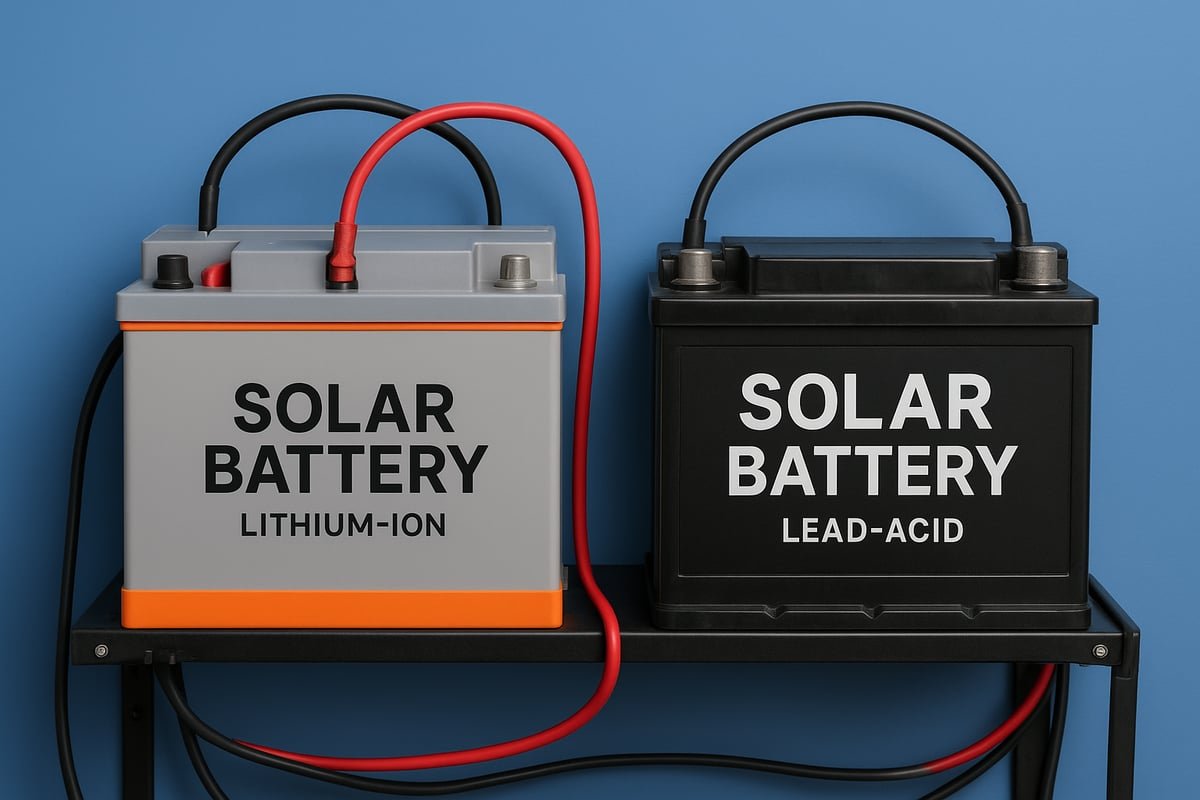
Solar pv batteries are the backbone of modern solar energy systems, providing a way to store and use solar power when the sun is not shining. In Florida, where energy needs and climate demand reliability, choosing the right battery technology is crucial. Two main types dominate the market: lithium-ion and lead-acid. Understanding terms like capacity, depth of discharge (DoD), cycle life, and efficiency helps you compare options wisely. The right choice of solar pv batteries can make a significant difference in system performance, especially in regions with high temperatures and frequent storms.
Solar PV Battery Technologies: Lithium vs Lead Acid Explained
Fundamentals of Solar Battery Storage
Solar pv batteries are designed to capture excess electricity produced by solar panels during the day and release it when needed, such as at night or during outages. The two most popular types found in solar pv batteries are lithium-ion and lead-acid. Key performance indicators include capacity (total energy stored), depth of discharge (how much energy can be safely used), cycle life (number of charge-discharge cycles), and efficiency (usable energy output). In Florida’s humid and hot climate, these factors heavily influence which solar pv batteries are best suited for long-term use and energy independence.
Lithium-Ion Batteries: Technology Overview
Lithium-ion solar pv batteries use advanced chemistries like lithium cobalt oxide or lithium iron phosphate. These batteries store and discharge energy through highly efficient electrochemical reactions, resulting in high energy density and lightweight construction. Their modular design allows for easy expansion and integration into both residential and commercial solar pv batteries systems. Lithium-ion batteries are favored for their long lifespan, rapid charging, and minimal maintenance. They are especially popular where space is limited, and reliable performance is critical for solar pv batteries installations.
Lead-Acid Batteries: Technology Overview
Lead-acid solar pv batteries have powered backup and off-grid applications for decades. They come in several forms, including flooded, AGM (Absorbent Glass Mat), and gel. While these batteries offer a lower initial cost and are based on mature technology, they are bulkier and heavier than lithium-ion options. Lead-acid solar pv batteries require more frequent maintenance, such as water refilling and terminal cleaning, especially in flooded variants. Their shorter lifespan and sensitivity to deep discharges can be limiting factors for demanding solar pv batteries applications.
Key Differences at a Glance
To quickly compare solar pv batteries, consider the following:
| Feature | Lithium-Ion | Lead-Acid |
|---|---|---|
| Energy Density | High | Low |
| Weight | Light | Heavy |
| Cycle Life | 3,000–7,000 | 500–1,500 |
| Upfront Cost | Higher | Lower |
| Maintenance | Minimal | Regular |
Lithium-ion solar pv batteries excel in longevity and efficiency, while lead-acid remains an option for those prioritizing upfront savings. For a more detailed breakdown of these technologies, see the Lithium-ion vs. Lead Acid Batteries | EnergySage guide, which explores capacity, efficiency, and lifespan in depth. Real-world solar installations in Florida increasingly favor lithium for demanding, high-cycle applications, while lead-acid still finds use in budget-conscious or temporary setups.
Performance and Efficiency in Real-World Solar Applications
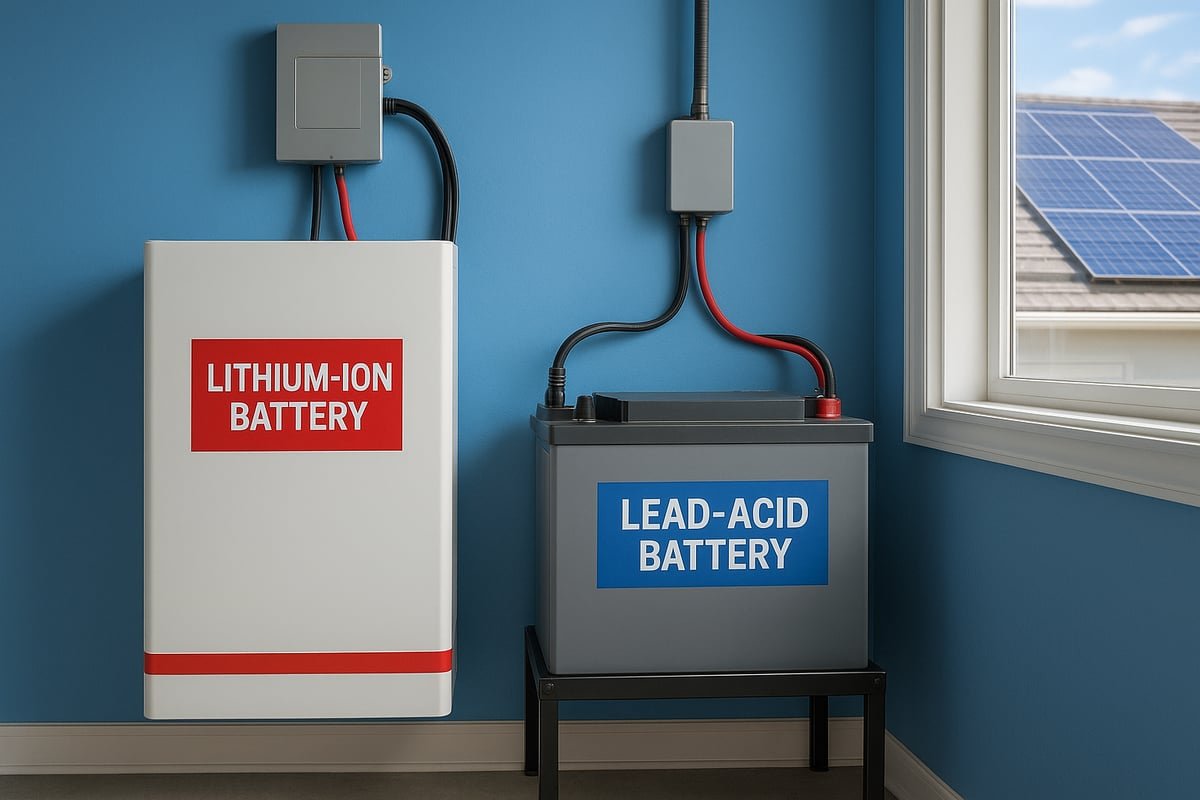
Choosing the right solar pv batteries goes beyond chemistry. Real-world performance influences how efficiently your system stores and delivers power, how much space you need, and your overall energy independence. Let’s break down the main performance factors that separate lithium and lead-acid batteries in solar PV systems.
Performance and Efficiency in Real-World Solar Applications
Energy Density and Storage Capacity
Energy density measures how much power a battery can store per unit of weight. Lithium-ion solar pv batteries typically offer 100 to 265 Wh/kg, while lead-acid ranges from 30 to 50 Wh/kg. This difference means lithium batteries can store more energy in a smaller, lighter package. For homeowners, this translates to reduced space requirements and more flexible installation options.
| Feature | Lithium-Ion | Lead-Acid |
|---|---|---|
| Energy Density (Wh/kg) | 100-265 | 30-50 |
| Typical Footprint | Compact | Bulky |
If you have limited space or plan to scale your system, lithium solar pv batteries provide a clear advantage. In larger homes or businesses, smaller battery banks free up valuable floor area and simplify maintenance.
Depth of Discharge (DoD) and Usable Capacity
Depth of Discharge (DoD) defines how much stored energy can be used without harming the battery’s lifespan. Lithium solar pv batteries can safely discharge up to 90-95% of their capacity, while lead-acid batteries should stay between 50-60% DoD to avoid premature wear. This means lithium batteries offer significantly more usable energy per cycle.
For off-grid and backup applications, higher DoD reduces the total number of batteries needed and enhances reliability. For a deeper dive into how DoD impacts off-grid living, see this Off-grid solar battery guide. Ultimately, lithium’s higher DoD makes it a top choice where maximizing usable energy is essential.
Round-Trip Efficiency
Round-trip efficiency measures how much energy you get out compared to what you put in. Lithium solar pv batteries achieve efficiencies of 90-98%, while lead-acid models typically range from 70-85%. The difference means less energy is lost as heat or chemical byproducts with lithium batteries.
For a typical Florida home, higher efficiency translates into more usable power from every kilowatt-hour generated. This improved performance can shorten payback periods and increase overall system value. Small efficiency gains add up over thousands of cycles, making lithium a more cost-effective solution in many scenarios.
Charge/Discharge Rates and Power Output
How quickly a battery can charge or discharge affects its ability to meet sudden power demands. Lithium solar pv batteries support high charge and discharge rates, making them ideal for homes with variable loads or during storm outages. They maintain consistent voltage even under heavy use.
Lead-acid batteries, by contrast, have lower charge/discharge rates and may experience voltage sag when powering large appliances. During Florida’s peak demand or power interruptions, lithium systems deliver more dependable performance. Faster recharge times also mean your solar pv batteries are ready for the next outage or cloudy period sooner.
Performance in Extreme Temperatures
Florida’s climate puts solar pv batteries to the test. Lithium batteries perform well in high temperatures but often require a battery management system (BMS) for safety and longevity. Proper ventilation and shaded enclosures are recommended for optimal operation.
Lead-acid batteries tolerate colder temperatures better but can degrade rapidly in heat, losing capacity over time. In Florida’s warm environment, lithium batteries generally outlast lead-acid, with less need for maintenance. Ensuring appropriate battery housing protects both types, but lithium’s resilience gives it the edge in demanding climates.
Lifespan, Maintenance, and Reliability
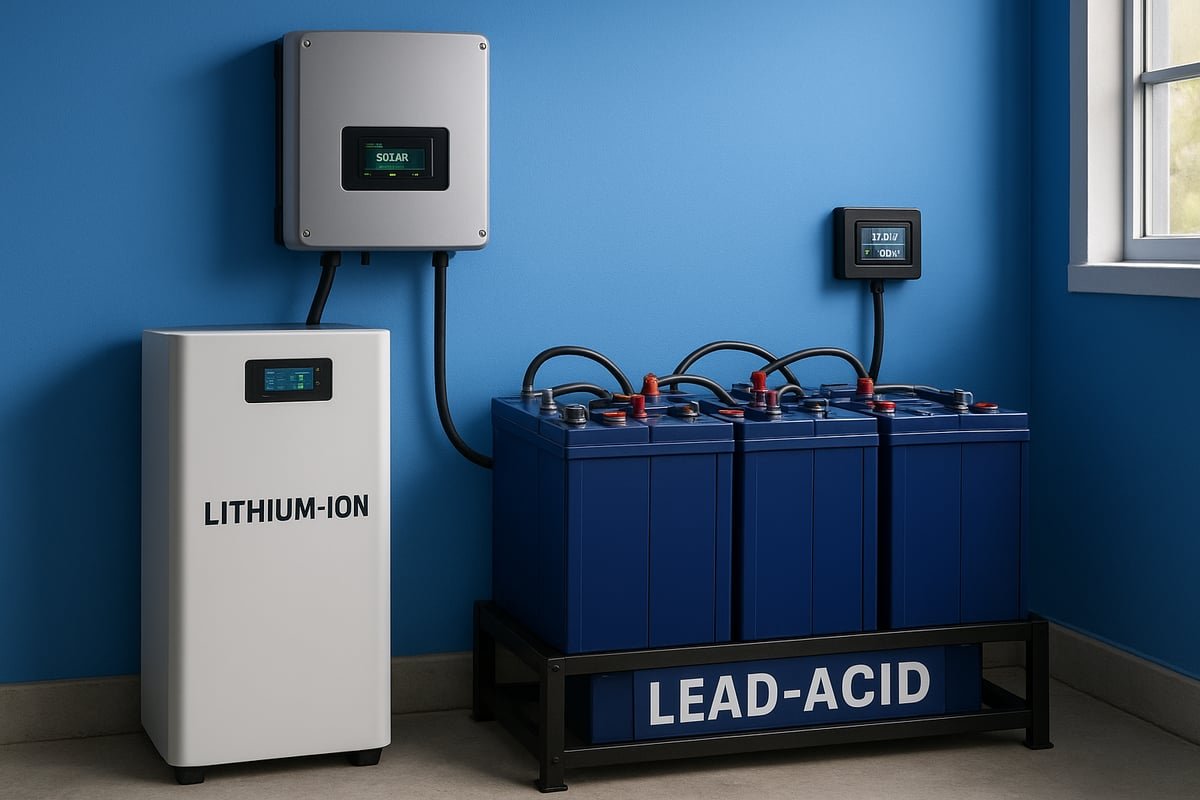
Selecting the right solar pv batteries is not just about the immediate benefit. Long-term reliability, ease of maintenance, and predictable lifespan are critical for homeowners and businesses in Florida. These factors dictate how well your solar system will perform over years of daily use, how often you'll need to intervene, and what you can expect from your investment.
Lifespan, Maintenance, and Reliability
Cycle Life and Longevity
Cycle life is a key metric for solar pv batteries. Lithium batteries typically offer 3,000 to 7,000 cycles, translating to 10 or more years of daily use. In contrast, lead-acid batteries average 500 to 1,500 cycles, often requiring replacement every 3 to 5 years. This difference means lithium batteries can outlast lead-acid options by a significant margin.
| Battery Type | Cycle Life (Typical) | Years of Service (Daily Cycling) |
|---|---|---|
| Lithium-Ion | 3,000 - 7,000 | 8 - 15+ |
| Lead-Acid | 500 - 1,500 | 2 - 5 |
Longer cycle life means fewer replacements, less hassle, and greater long-term reliability for solar pv batteries.
Maintenance Requirements
Maintenance needs vary widely between solar pv batteries. Lithium batteries are essentially maintenance-free, thanks to built-in battery management systems that handle balancing and safety. Lead-acid batteries, especially flooded types, require regular water checks, terminal cleaning, and periodic equalization charges.
AGM and gel lead-acid variants reduce but do not eliminate maintenance. Routine care is essential to avoid sulfation and prolong battery life. For many Florida homeowners, the convenience of low-maintenance lithium batteries is a strong advantage, especially when solar pv batteries are installed in hard-to-access locations.
Degradation and Performance Over Time
All solar pv batteries experience some capacity loss as they age. Lithium batteries degrade slowly, often retaining 80 percent of their original capacity after thousands of cycles. Lead-acid batteries, however, lose capacity more quickly, especially if deeply discharged or left partially charged.
Sulfation, plate degradation, and electrolyte loss can sharply reduce lead-acid performance. For a deeper look at how different battery chemistries age over time, see Solar Batteries in 2025: Cost, Lifespan & Best Types Explained. Understanding degradation patterns helps users plan for timely replacements and realistic system expectations.
Failure Modes and Safety Considerations
Safety is a top concern with solar pv batteries. Lithium batteries, while stable under normal conditions, can be susceptible to thermal runaway if damaged or improperly managed. Modern systems include robust battery management systems that monitor temperature, voltage, and current to reduce these risks.
Lead-acid batteries carry their own hazards, such as acid leaks and hydrogen gas buildup, especially in unventilated spaces. While less prone to fire, proper installation and routine checks are mandatory for safe operation. Adhering to manufacturer guidelines and using certified installers greatly enhances the reliability of solar pv batteries.
Warranties and Manufacturer Support
Warranty coverage for solar pv batteries reflects their expected lifespan. Lithium batteries generally come with 5 to 15-year warranties, often covering a set number of cycles and minimum retained capacity. Lead-acid batteries typically offer 2 to 5-year warranties, with more limited coverage.
Read the warranty fine print to understand exclusions and maintenance requirements. Choosing certified installers and authorized service centers ensures warranty claims are honored, providing peace of mind and long-term support for your solar pv batteries.
Cost Analysis: Upfront, Lifetime, and Value for Money
Choosing the right solar pv batteries means weighing not just the upfront price, but the long-term value, ongoing costs, and return on investment. Let’s break down the financial side of lithium and lead-acid batteries, so you can make the smartest choice for your solar system in 2025.
Upfront Costs and Installation Expenses
When evaluating solar pv batteries, initial costs are often top of mind. Lithium batteries typically range from $400 to $900 per kWh, while lead-acid batteries fall between $150 and $400 per kWh. This means a 10 kWh lithium system can cost $4,000 to $9,000 before installation, compared to $1,500 to $4,000 for lead-acid.
However, installation complexity also matters. Lithium batteries are lighter and easier to mount, reducing labor fees, while lead-acid units are heavier and require more space and ventilation. Always factor in the full installed cost, not just the battery price, to get a true sense of value for your solar pv batteries.
Total Cost of Ownership (TCO)
Looking beyond the sticker price, the total cost of ownership (TCO) for solar pv batteries covers replacement cycles, maintenance, and operational expenses over the system’s life. Lithium batteries last up to 10-15 years with minimal maintenance, while lead-acid options often need replacement every 3-5 years and regular upkeep.
Let’s compare:
Lithium: Fewer replacements, almost no maintenance
Lead-acid: Multiple replacements, ongoing water checks, and cleaning
When calculating TCO for solar pv batteries, lithium may seem expensive at first, but its longevity and reliability often result in lower costs over time.
Payback Period and ROI
The payback period for solar pv batteries depends on initial investment, utility savings, and available incentives. Lithium batteries, with their higher efficiency and deeper discharge rates, can accelerate ROI, especially in areas with high electricity rates or frequent outages.
In 2025, federal tax credits and Florida-specific rebates can offset upfront costs. Grid-tied homeowners often see shorter payback periods, while off-grid users benefit from greater independence. For a deeper look at how battery choice affects value, see Are solar batteries worth it?.
Resale Value and System Upgrades
The type of solar pv batteries you install influences your solar system’s future resale value. Lithium batteries, due to their modern technology and longer lifespan, are increasingly in demand among homebuyers and businesses. Upgrading from lead-acid to lithium can be costly, often requiring new inverters or rewiring.
Market trends show a steady shift toward lithium-based solar pv batteries. Choosing lithium today may make your system more attractive and valuable if you ever decide to sell or expand.
Real-World Case Studies and User Experiences
Florida homeowners and businesses have shared valuable insights on solar pv batteries. Many report that lithium systems deliver consistent performance, reduced maintenance, and better long-term savings. For instance, a recent 10 kWh lithium installation in Tampa provided reliable backup during hurricanes, while a similar lead-acid setup required earlier replacement and more frequent service calls.
These real-world stories highlight the importance of considering total value, not just price, when selecting solar pv batteries for your needs.
Safety, Environmental Impact, and Regulations
Choosing the right solar pv batteries is not just about performance, but also about safety, environmental impact, and compliance with regulations. Each factor plays a critical role in the long-term success and sustainability of your solar energy system.
Battery Safety: Risks and Mitigations
Safety is paramount when installing solar pv batteries in homes and businesses. Lithium batteries, while efficient, can pose a fire risk if damaged or improperly installed. However, modern lithium solar pv batteries include advanced Battery Management Systems (BMS) that monitor temperature, voltage, and current, greatly reducing these hazards.
Lead-acid solar pv batteries are less prone to fire but can leak acid or emit hydrogen gas during charging. Proper ventilation is essential to prevent dangerous gas buildup. Using sealed AGM or gel variants can mitigate some risks, but regular inspections remain necessary. For best results, always work with certified professionals who follow recommended installation protocols, as outlined in Solar system battery installation.
Environmental Impact and Recycling
Environmental considerations are increasingly important for solar pv batteries. Lithium batteries generally have a lower carbon footprint during use, but their mining and manufacturing processes are resource-intensive. Lead-acid batteries, meanwhile, rely on lead, a toxic heavy metal, but benefit from well-established recycling programs, with over 95% of lead content being recoverable.
Recycling infrastructure for lithium batteries is expanding, although it still lags behind lead-acid in efficiency. Responsible disposal and recycling reduce landfill waste and environmental contamination. Regulations in Florida encourage proper battery recycling, ensuring that both types of solar pv batteries are handled safely at end-of-life.
Regulatory Compliance and Incentives
Navigating regulations is crucial for anyone installing solar pv batteries. In Florida, local and federal codes govern battery housing, ventilation, and fire safety. Permitting requirements may vary by city, and insurers often demand proof of compliance to provide coverage. Homeowners and businesses should familiarize themselves with the latest codes to avoid costly mistakes.
Several incentives are available for those investing in solar pv batteries, including federal Investment Tax Credits (ITC) and state-level rebates. These incentives can offset initial costs, making storage more accessible. Working with providers familiar with local regulations ensures a smooth installation and long-term system viability.
Sustainability and Sourcing
The sustainability of solar pv batteries depends on both material sourcing and manufacturing practices. Lithium is often mined in regions with environmental and ethical concerns, while lead is recycled more effectively but still hazardous if mishandled. Battery manufacturers are making strides towards greener production, using recycled materials and reducing reliance on conflict minerals.
Sustainable sourcing initiatives are also gaining traction, with some companies investing in traceable supply chains and cleaner extraction methods. As demand for solar pv batteries grows, expect further improvements in the environmental footprint of both lithium and lead-acid options.
Future Trends in Battery Technology
The landscape for solar pv batteries is evolving rapidly. New chemistries like solid-state and sodium-ion promise greater safety, improved efficiency, and lower costs. These advancements could soon outperform current lithium and lead-acid models in every category.
Research and innovation in battery recycling, thermal management, and digital monitoring are also shaping the future of solar pv batteries. For a deeper look at how lithium batteries are outpacing lead-acid in solar applications, see Energy Storage Revolution: How Lithium Batteries Are Outshining Lead-Acid in Solar Power Systems. Staying informed about these trends will help homeowners and businesses make smarter, longer-lasting energy investments.
Choosing the Right Battery for Your Solar PV System in 2025
Selecting the optimal solar pv batteries for your home or business in 2025 requires careful consideration of your unique needs and future energy goals. The right choice can make a significant difference in your energy independence, ongoing costs, and long-term satisfaction.
Key Decision Factors for Homeowners and Businesses
When choosing solar pv batteries, start by assessing your budget, energy consumption patterns, and available installation space. Consider whether your system is off-grid or grid-tied, as this affects battery sizing and type.
Think about your long-term plans. Will you expand your system in the future? If so, modular batteries offer more flexibility. Regulatory requirements and local incentives in Florida may also impact your decision. It is wise to consult a solar professional for a tailored assessment, ensuring your investment aligns with your energy goals.
Matching Battery Type to Use Case
The best solar pv batteries for your setup depend on how you plan to use your energy storage. Lithium batteries excel in high-cycling environments, limited spaces, and systems where long-term reliability is crucial. They are ideal for daily cycling, smart homes, and commercial applications.
Lead-acid batteries may suit those with tight budgets, low-cycling needs, or temporary installations. For backup power, both options can work, but lithium typically delivers better performance per square foot. For a deeper dive into these differences, see the International Journal of Power Electronics and Drive Systems (IJPEDS) comparative analysis.
Installation and Support: The Role of Expert Providers
Proper installation of solar pv batteries is essential for safety, system efficiency, and warranty protection. Certified installers understand the nuances of battery chemistry, electrical codes, and local permitting. They can recommend the right enclosure, ventilation, and monitoring solutions.
Ongoing maintenance and system monitoring help maximize performance and catch issues early. Look for providers with strong local reputations, comprehensive service offerings, and transparent support policies. This ensures your investment delivers value for years to come.
KingAire: Florida’s Solar Battery Experts
KingAire specializes in solar pv batteries for Florida homeowners and businesses. Their team offers end-to-end service, from personalized consultation and system design to expert installation and proactive maintenance.
KingAire: Florida’s Solar Battery Experts
With a local presence throughout Florida, KingAire delivers prompt support and reliable solutions tailored to your unique needs. They provide free estimates, detailed recommendations, and ongoing monitoring, helping you achieve energy independence with confidence.
Now that you understand the key differences between lithium and lead acid batteries for solar PV systems, you can see how the right choice makes a real impact—on your energy independence, savings, and peace of mind. Whether you’re ready to invest in long term performance or looking for a practical solution to power outages, it’s important to have expert guidance tailored to your unique needs. If you’re considering an upgrade or new installation in Florida, I recommend reaching out for a personalized assessment. You can Get a Free Quote and discover the best battery option for your solar journey.