
Power Backup Systems Versus Generators: Which Is Best in 2025?
With power outages becoming more common in 2025, having dependable power backup systems is no longer optional, but essential. This article will help you navigate the choice between advanced power backup systems and traditional generators, so you can protect your home or business. We will compare technology, cost, reliability, environmental impact, use cases, and future trends. If you want energy independence and peace of mind, keep reading. Ready to make the right choice? Contact us today for a free, personalized quote on solar, battery, or generator solutions.
Understanding Power Backup Systems in 2025
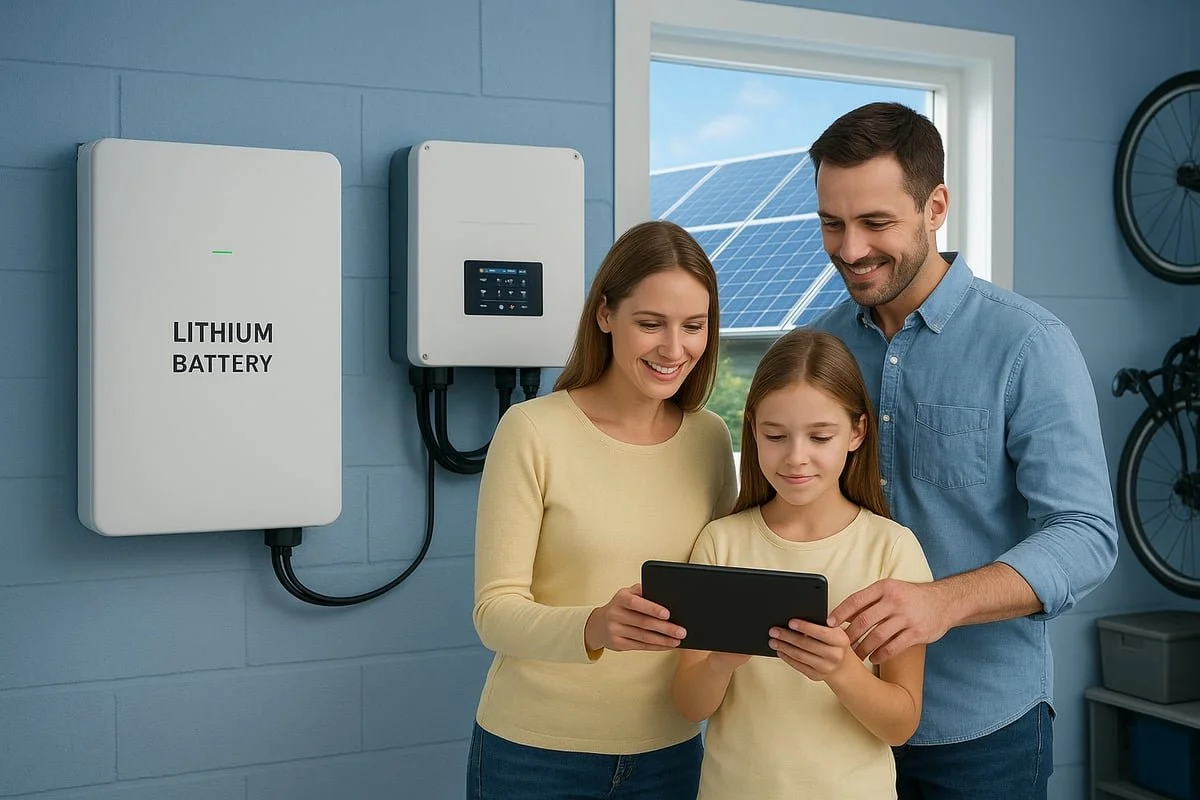
The landscape of power backup systems has evolved rapidly by 2025, offering homeowners and businesses a diverse range of solutions for reliable energy during outages. Whether you are considering solar batteries, lithium-based storage, or hybrid systems, understanding the features and benefits of these modern options is essential before making an investment.
Understanding Power Backup Systems in 2025
What Are Power Backup Systems?
Power backup systems are integrated solutions designed to provide electricity during grid outages. These systems include uninterruptible power supplies (UPS), advanced battery backups, solar batteries, and hybrid configurations.
Key components typically include inverters, high-capacity batteries, and smart controls for automatic management. Unlike traditional generators, power backup systems operate silently and switch over instantly, offering seamless protection for sensitive devices.
Choosing a modern system means you get clean energy, minimal maintenance, and increased control over your energy supply.
Types of Backup Systems Available
Several types of power backup systems are available in 2025, each with unique advantages. Lithium-ion and LiFePO4 batteries are popular for their efficiency, safety, and long lifespan. Solar battery systems, often integrated with rooftop solar panels, enable homes to store renewable energy for use during outages.
Hybrid systems combine battery storage with solar or grid power, maximizing flexibility and resilience. For both homes and businesses, UPS solutions deliver instant backup for critical electronics.
If you’re debating whether solar batteries are right for your setup, this Are Solar Batteries Worth It? guide dives deep into their value for modern energy needs.
Technological Advancements in 2025
The year 2025 brings significant advancements in power backup systems. Battery chemistries like LiFePO4 and emerging solid-state designs have increased safety, extended lifespan, and improved storage efficiency.
Smart management features, including IoT connectivity and remote monitoring, allow users to track system performance and receive instant alerts. Faster recharge rates and longer runtimes mean greater reliability. Integration with smart home platforms enables automated energy management and optimized backup for essential loads.
These innovations make power backup systems more accessible and user-friendly than ever.
Benefits of Power Backup Systems
Modern power backup systems offer silent operation and instant switchover, ensuring no disruption during outages. Their low maintenance requirements and long service life reduce hassle and ongoing costs.
Solar-based solutions provide clean, emission-free energy, supporting sustainability goals. These systems are ideal for protecting sensitive electronics and medical devices, thanks to stable voltage and rapid response.
The global battery backup market continues to grow, with recent data showing a surge in adoption from 2023 to 2025. This trend highlights increasing trust in these solutions for both residential and commercial applications.
Limitations and Considerations
Despite their advantages, power backup systems have some limitations. Upfront costs and installation can be significant, especially for high-capacity setups. System capacity may not meet the needs of large, power-hungry appliances unless properly sized.
Professional assessment is crucial to ensure your backup system matches your requirements. Over time, all batteries experience gradual degradation, which can affect overall performance and lifespan.
To make the most of your investment, consult with experts who can tailor a solution to your needs. Contact us today for a free quote and discover how solar, battery, and standby generator options can keep your property secure and energy independent.
Generators: Traditional Backup Power Explained
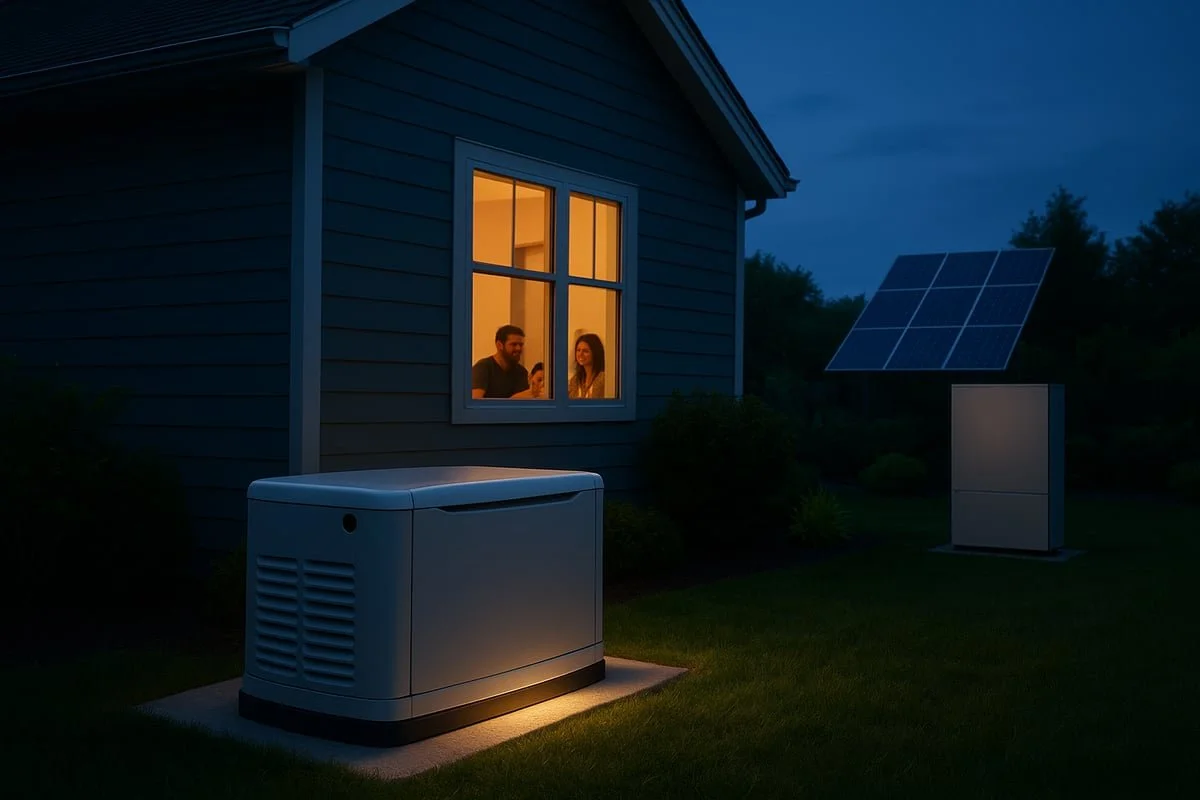
Generators remain a cornerstone of traditional power backup systems, especially for those seeking reliable performance during outages. As technology evolves, understanding how generators compare to modern solutions is essential for making informed decisions in 2025.
Generators: Traditional Backup Power Explained
Types of Generators
There are several types of generators used in power backup systems, each designed for specific needs. Portable generators run on gasoline, propane, or dual-fuel, making them versatile for short-term or emergency use. Standby generators are permanently installed, automatically providing power to homes or businesses during outages. These models often use natural gas or propane and can support entire properties.
Solar-powered generators are a newer addition, offering clean energy for small-scale needs. For an in-depth look at leading models and their features, see the Generac Generator Guide for 2025.
How Generators Work
Generators in power backup systems convert mechanical energy from fuel combustion into electricity. When an outage occurs, a transfer switch—either manual or automatic—shifts the electrical load to the generator. Manual switches require human intervention, while automatic ones detect outages and start the generator on their own.
Typical startup times range from a few seconds to several minutes, depending on the system. This delay may affect sensitive electronics or critical equipment, so understanding your requirements is crucial when choosing among power backup systems.
Advantages of Generators
Generators offer several advantages within power backup systems:
High power output suitable for large appliances and whole-house coverage
Extended runtimes with adequate fuel supply
Proven reliability in long-duration outages and severe weather
Flexible deployment for off-grid or remote locations
These strengths make generators a dependable choice for properties with high energy demands or where modern battery solutions may not provide sufficient capacity.
Drawbacks and Challenges
Despite their strengths, generators in power backup systems have notable drawbacks. They produce noise and emissions, which can affect air quality and neighborhood comfort. Ongoing fuel costs and storage needs add to the overall expense.
Regular maintenance is required to prevent mechanical failure, and generators are less suitable for sensitive electronics due to power fluctuations. Homeowners should weigh these factors when comparing generators with newer power backup systems.
Generator Trends and Innovations for 2025
In 2025, advancements in generator technology are improving their role within power backup systems. Cleaner, more efficient engines are reducing emissions and fuel consumption. Many models now feature smart monitoring apps for remote management.
Hybrid systems that combine generators with battery storage are gaining popularity, providing both immediate and extended backup. Demand for standby generators continues to rise in regions prone to severe weather, highlighting the importance of reliable backup solutions.
Contact us today for a free quote on the best power backup systems for your needs. Our experts can help you compare solar, solar batteries, standby generators, and innovative hybrid solutions to ensure your property is protected, efficient, and ready for the future.
Cost Comparison: Upfront and Ongoing Expenses
Choosing the right backup solution means weighing both initial and long-term costs. In 2025, homeowners and businesses have more choices than ever, from advanced power backup systems to traditional generators. Understanding these expenses helps you make the best investment for your needs.
Cost Comparison: Upfront and Ongoing Expenses
Initial Investment
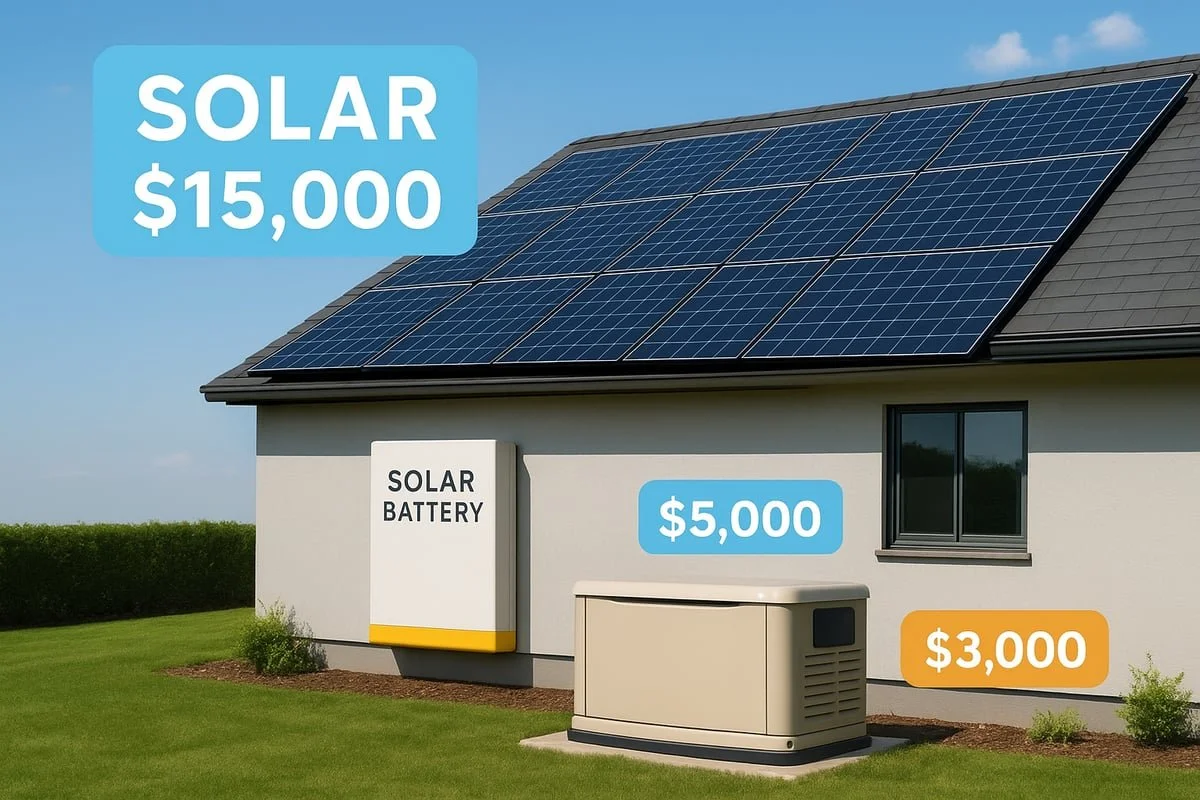
When comparing power backup systems and generators, upfront costs vary based on technology and capacity. Modern power backup systems, such as lithium-ion batteries or hybrid solar batteries, typically range from $8,000 to $25,000 installed for whole-home solutions. Standby generators cost between $7,000 and $18,000 installed, while portable generators can start as low as $800.
| Solution | Typical Cost (2025) | Installation Included? |
|---|---|---|
| Solar Battery System | $12,000–$25,000 | Yes |
| Standby Generator | $7,000–$18,000 | Yes |
| Portable Generator | $800–$3,500 | No |
| Hybrid System | $15,000–$30,000 | Yes |
Power backup systems may have higher initial costs, but they offer silent operation and seamless switchover. Standby generators provide robust power for large homes and businesses. Consider your essential loads and future energy needs when budgeting.
Operating and Maintenance Costs
Ongoing expenses differ significantly between power backup systems and generators. Battery systems require minimal maintenance, mostly periodic system checks and occasional battery replacements every 8–15 years. Cleaning solar panels and monitoring software are low-cost tasks.
Generators, on the other hand, need regular oil changes, fuel replenishment, and annual servicing. Fuel costs fluctuate based on generator size and outage duration. Over a year, maintenance and fuel for a standby generator can exceed $500, while battery systems often cost less than $200 annually for upkeep.
Choosing power backup systems reduces noise and eliminates the need for fuel storage. This makes them ideal for homes, medical facilities, and businesses that value reliability and low hassle.
Incentives, Rebates, and Financing
Government incentives play a pivotal role in reducing the real cost of power backup systems. Solar battery installations may qualify for a 30% federal tax credit, alongside state and utility rebates. Financing options, such as low-interest loans and zero-money-down offers, make high-tech solutions more accessible.
Traditional generators rarely qualify for environmental incentives, but some local programs may provide rebates for cleaner, more efficient models. For detailed guidance on maximizing your savings, see How to Claim the 30% Federal Tax Credit for Solar Battery Backup.
Exploring these incentives can significantly lower your initial investment in power backup systems, especially when paired with solar panels.
Long-Term Value and ROI
When evaluating long-term value, power backup systems and generators differ in lifespan and ongoing cost. Batteries typically last 8–15 years, while generators can run 10–20 years with proper maintenance. However, the cost per kilowatt-hour is often lower with solar battery systems, especially when paired with renewable energy.
Power backup systems can increase property value, reduce energy bills, and deliver quiet, clean power. Generators offer higher capacity for extended outages but come with fuel and maintenance costs. Hybrid systems combine the best features of both.
Ready to secure energy independence? Contact us today for a free quote on solar, battery, or generator solutions tailored to your needs.
Environmental Impact and Sustainability
Power backup systems are reshaping the way we think about sustainability in 2025. With more homeowners and businesses seeking clean, reliable options, the environmental impact of backup solutions is a top priority. Solar, solar batteries, and standby generators each offer unique benefits, and understanding their footprint helps you make a responsible choice. Below, we break down the main environmental considerations and encourage you to contact us for a free quote on a solution tailored to your needs.
Emissions and Carbon Footprint
Power backup systems such as solar batteries operate with zero emissions during normal use. Unlike traditional generators, which rely on gasoline or propane and emit carbon dioxide, nitrogen oxides, and particulates, solar and battery solutions keep the air clean both indoors and outdoors. Standby generators do provide robust backup, but their fossil fuel consumption leads to increased greenhouse gases. By choosing solar or battery-based power backup systems, you contribute to a healthier environment and reduce your carbon footprint while still ensuring reliable energy during outages.
Noise Pollution
One of the standout advantages of power backup systems, especially solar batteries, is silent operation. These systems switch on instantly and run without generating disruptive noise, making them ideal for homes, schools, and hospitals where quiet is essential. In contrast, generators can produce significant noise, sometimes reaching levels that disturb neighbors or violate local ordinances. Standby generators have become quieter, but no solution matches the virtually silent performance of modern battery-based power backup systems. This difference enhances comfort and supports community well-being during outages.
Renewable Integration and Energy Independence
Modern power backup systems are often paired with solar panels, allowing users to harness renewable energy and reduce dependence on fossil fuels. This integration not only ensures clean, sustainable power but also promotes true energy independence. As battery storage capacity expands rapidly in regions like Europe, more homeowners are opting for solar and battery combinations to maximize renewable energy use (Europe's battery storage capacity to quintuple by 2030). Standby generators remain valuable for extended outages, but solar and battery systems offer daily savings and a lower environmental impact, making them a forward-thinking choice for resilient living.
Disposal and Recycling Considerations
Sustainability extends beyond operation to end-of-life management. Power backup systems, particularly batteries, are supported by growing recycling programs that safely process and repurpose valuable materials. Proper disposal prevents hazardous waste and protects the ecosystem. Generators, however, present challenges such as fuel spills and disposal of engine components. Manufacturers are now designing both batteries and generators with eco-friendly materials and recycling in mind, ensuring your choice of power backup systems aligns with long-term environmental responsibility. For personalized advice on sustainable solutions, contact us today for a free quote.
Reliability, Performance, and Use Cases
Power backup systems are judged by how quickly and effectively they respond to outages, their capacity to power essential loads, long-term dependability, and suitability for various scenarios. Whether you are securing your home, business, or critical operations, understanding these factors is crucial to making an informed decision.
Outage Response and Switchover Time
One of the most important advantages of modern power backup systems is their ability to provide instantaneous switchover when the grid fails. Uninterruptible power supplies (UPS) and solar battery systems detect outages within milliseconds, keeping lights, appliances, and sensitive devices running without interruption.
By comparison, generators require a startup period, typically ranging from 10 seconds to several minutes before delivering power. This delay is acceptable for many residential needs, but it can be critical for medical devices, servers, or security systems that demand seamless continuity. For anyone prioritizing zero downtime, power backup systems offer a clear reliability edge.
Power Capacity and Scalability
Power backup systems come in a wide range of capacities, typically measured in kilowatt-hours (kWh). Modern battery-based solutions are modular, allowing homeowners or businesses to expand storage as their needs grow. This flexibility makes it easy to tailor a system for minimal backup or full-home protection.
Generators, on the other hand, are typically sized for the maximum expected load at installation. While they can deliver high wattage for large appliances or entire buildings, they lack the easy expandability of battery systems. For those seeking scalable and future-proof solutions, power backup systems make adaptation straightforward.
Maintenance and Service Requirements
Maintaining power backup systems is generally straightforward. Battery systems require occasional inspections, remote diagnostics, and cleaning of components. There is no need for fuel storage, oil changes, or regular engine servicing, which reduces ongoing hassle and risk.
Generators demand more attention, including periodic oil changes, fuel replenishment, and preventive maintenance to ensure reliable starts during outages. Mechanical components can wear out over time, leading to potential service interruptions. For those seeking low-maintenance operation, power backup systems stand out for convenience and peace of mind.
Real-World Scenarios and Examples
Florida’s hurricane season highlights the strengths of both power backup systems and traditional generators. Solar batteries keep homes running quietly during grid failures, while standby generators deliver high output for extended outages. In urban settings, battery systems are ideal for apartments and townhomes, while rural properties may benefit from a hybrid approach.
For a deeper dive into how house backup power compares with portable generators, see House Backup Power vs Portable Generators. Small businesses rely on rapid switchover to protect inventory and operations, making power backup systems an increasingly popular choice.
Safety and Compliance
Safety is paramount when selecting any backup solution. Power backup systems offer built-in protections against overload, short circuits, and fire risks, and they do not emit carbon monoxide or other harmful gases. Installation must follow local codes, especially for solar and battery systems.
Generators require careful placement outdoors to prevent carbon monoxide exposure, regular checks for fuel leaks, and adherence to strict installation standards. When planning your system, always consult a certified professional to ensure compliance and maximize protection for your property.
Ready to secure your home or business with a reliable, efficient solution? Contact us today for a free quote on solar, solar batteries, standby generators, or a custom power backup system tailored to your unique needs.
Choosing the Right Solution for Your Needs
Selecting the best power backup systems for your property starts with understanding your unique energy needs. Every home or business has different priorities, so a thoughtful approach ensures the right fit for long-term resilience.
Assessing Your Power Requirements
Begin by calculating your essential power needs. List all critical appliances, such as refrigerators, medical devices, or security systems, and estimate their combined wattage. Determine how long you need each item powered during an outage.
Consider whether your priority is to keep the entire property running or only vital circuits. Power backup systems can be sized for partial or whole-home coverage, but a professional assessment is always recommended to match system capacity to your goals.
A tailored evaluation ensures your power backup systems meet both runtime and reliability expectations, avoiding under- or over-sizing.
Lifestyle and Usage Factors
Your daily routines and preferences also influence which power backup systems will work best. Do you value silent operation for undisturbed sleep or work? Solar batteries and UPS solutions offer quiet, maintenance-free backup, ideal for noise-sensitive environments.
If you prefer a portable option for camping or tailgating, a compact generator may be suitable. For those prioritizing sustainability, integrating solar panels with battery storage reduces reliance on the grid and minimizes carbon footprint.
Think about your property's location, exposure to storms, and local regulations. Matching your lifestyle to the right power backup systems creates peace of mind and seamless comfort during outages.
Combining Solutions for Maximum Resilience
For maximum security, hybrid setups are increasingly popular. Pairing solar, battery, and standby generators ensures uninterrupted power, even during extended blackouts. Solar panels charge batteries daily, cutting utility bills and providing clean energy, while a generator can supply backup for longer events or high-power demand.
This layered approach is gaining traction as energy storage demand surges globally. For instance, data centers drive energy storage boom, reflecting the importance of robust backup solutions for critical operations.
Hybrid power backup systems combine the best of both worlds, delivering flexibility, efficiency, and peace of mind for homes and businesses alike.
KingAire: Your Florida Power Backup Partner
KingAire specializes in custom solar, solar battery, and standby generator installations designed for Florida’s unique energy challenges. Their certified electricians provide seamless installation, tailored system sizing, and ongoing maintenance for every customer.
Power Backup Systems Versus Generators: Which Is Best in 2025? - KingAire: Your Florida Power Backup Partner
Whether you seek energy independence, storm resilience, or advanced surge protection, KingAire delivers expert solutions. Explore solar panels for daily savings, batteries for silent backup, or generators for extended outages—each solution can be customized for your needs.
Ready to secure your property with advanced power backup systems? Contact KingAire today for a free quote and expert advice on the best solution for your home or business.
Future Trends: The Evolution of Backup Power in 2025 and Beyond
The landscape of power backup systems is rapidly evolving, driven by new technology, changing regulations, and shifting consumer needs. In 2025, homeowners and businesses are seeking smarter, cleaner, and more reliable backup solutions. Let us explore what the future holds for power backup systems and how you can stay ahead with the right choice.
Technological Innovations on the Horizon
Emerging battery chemistries are redefining the efficiency and safety of power backup systems. Solid-state and sodium-ion batteries promise faster charging, longer lifespans, and improved thermal stability. Artificial intelligence is transforming how users interact with their backup solutions, enabling predictive maintenance and smart energy management.
Grid-interactive features are now standard, letting power backup systems communicate with utilities and optimize energy use automatically. Peer-to-peer energy sharing, where neighbors exchange stored solar power, is gaining traction in forward-thinking communities. The global market is responding to these innovations, with China's battery exports surge in 2025 highlighting the scale and momentum behind battery-driven solutions.
Regulatory and Market Changes
New building codes increasingly mandate backup power for critical infrastructure, especially in regions prone to severe weather. Utilities are incentivizing distributed energy resources, making it easier and more affordable to install power backup systems that incorporate solar and battery technologies.
Insurance companies now recommend or require backup systems for homes and businesses in high-risk areas. This shift is driving demand for compliant and reliable solutions, such as solar batteries paired with standby generators. At the same time, state and federal incentives are expanding, which helps offset the upfront investment in advanced power backup systems.
Consumer Preferences and Market Growth
Consumers are prioritizing clean, quiet, and automated power backup systems. The desire for silent operation and emission-free energy is steering the market toward solar, solar battery storage, and hybrid solutions. Standby generators remain essential for whole-home backup and extended outages, especially where high power output is needed.
The popularity of these systems is reflected in market data, with a significant increase in both residential and commercial adoption. As noted in China's battery exports surge in 2025, the global supply chain is expanding to meet this surge in demand. Consumers are also exploring UPS systems for sensitive electronics, ensuring uninterrupted productivity and safety.
Preparing for a Resilient Future
Looking ahead, proactive planning is crucial for power security. Backup systems are now a central part of climate adaptation strategies, offering peace of mind during outages and energy independence year-round. Solar panels, solar batteries, and standby generators each deliver unique benefits, from daily utility bill savings to robust storm protection.
Hybrid solutions, combining battery storage with a generator or grid input, offer extended resilience for any scenario. To future-proof your home or business, consult a certified expert who can assess your needs and recommend a tailored solution.
Ready to take the next step? Contact us today for a free quote and discover how the latest power backup systems can safeguard your property and empower your energy future.
After exploring the advantages and limitations of both power backup systems and generators, you might be wondering which option truly fits your needs in Florida’s ever-changing climate. Whether you prioritize silent, clean energy or need robust storm preparedness, making the right choice starts with expert guidance tailored to your home or business. At KingAire, we specialize in delivering custom solar, battery, and generator solutions designed for energy independence and reliability. If you’re ready to take the next step toward dependable power, let’s talk about a solution that works for you—Get a Free Quote.