
Expert Guide to the Best Home Backup Batteries for 2025
Power outages are becoming more common and disruptive across the country, with severe storms and aging infrastructure putting homes at risk. In 2025, the need for dependable backup power is greater than ever.
This expert guide offers a thorough analysis of the best home backup batteries, helping you make smart choices to keep your lights on, devices charged, and family safe.
Inside, you’ll find clear explanations of battery types, essential features, the top models for 2025, installation advice, cost breakdowns, and trusted recommendations.
Ready to take control of your energy future? Dive in to discover how advanced battery systems can deliver true peace of mind—even when the grid goes down.
Why Home Backup Batteries Are Essential in 2025
The world is experiencing more frequent and severe power outages, making reliable home energy solutions a necessity. As we move into 2025, homeowners need to understand why the best home backup batteries are no longer a luxury but an essential part of modern living.
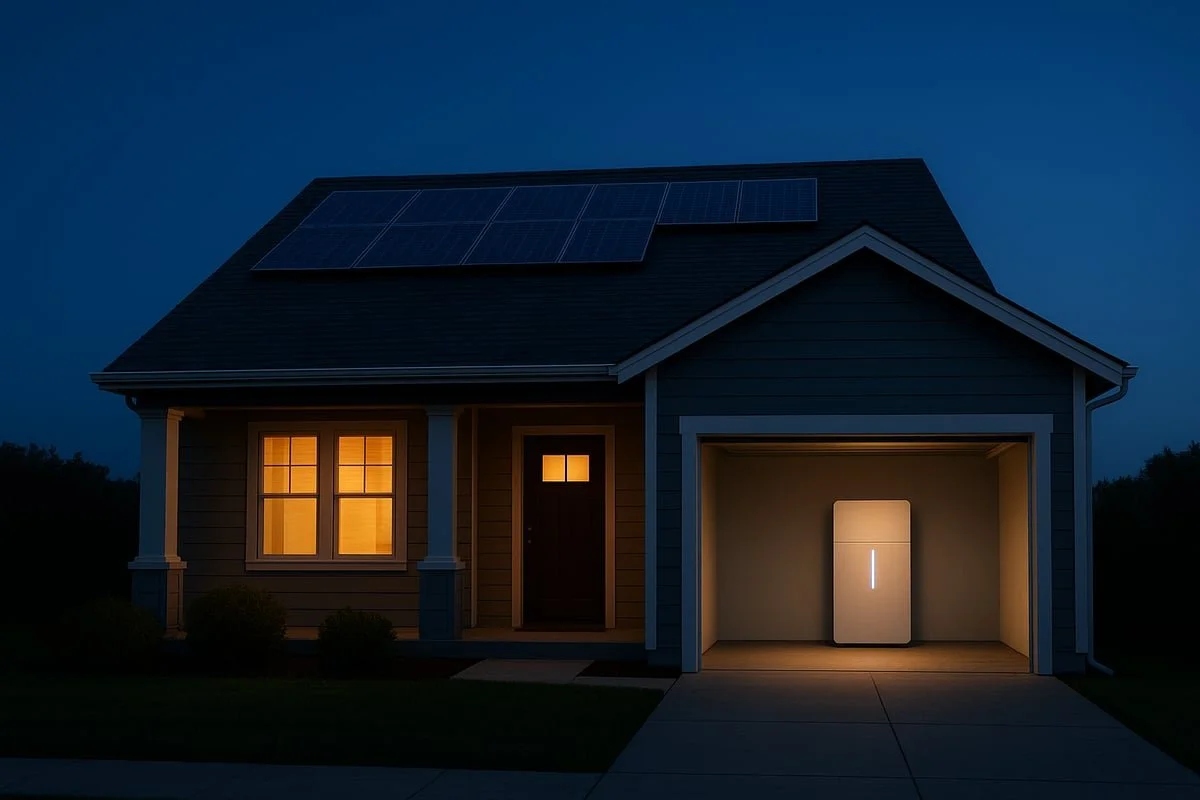
Why Home Backup Batteries Are Essential in 2025
Rising Power Outages and Grid Instability
Across the United States, the frequency and severity of power outages have surged, with a 64% increase in major outages over the past decade. Extreme weather events, such as hurricanes in Florida and heatwaves in California and Texas, have exposed vulnerabilities in the aging power grid. Grid modernization has not kept pace with demand, especially as more people rely on remote work and connected home technology.
For many, the impact of outages goes beyond inconvenience, affecting health, safety, and daily productivity. This is why experts emphasize the importance of battery storage for solar as an essential part of the best home backup batteries strategy. A reliable battery system ensures homes remain powered when the grid fails, protecting families and critical devices.
The Shift Toward Energy Independence
Homeowners are increasingly seeking control over their energy use. In 2025, the best home backup batteries play a central role in this shift. Adoption of solar plus battery systems is climbing across the country, driven by both environmental awareness and the desire to reduce carbon footprints.
States like Florida are leading the way with rapid residential solar installations, highlighting a broader movement toward energy independence. Families want uninterrupted power for essential needs, such as medical equipment or home offices, making backup batteries a practical and future-ready solution.
Battery Backup vs. Traditional Generators
When comparing the best home backup batteries to traditional generators, several advantages become clear. Battery systems operate quietly, produce zero emissions, and require little to no maintenance compared to fuel-powered generators. There is also no need for fuel storage or regular engine upkeep.
Batteries provide faster, automatic switchover during outages, ensuring seamless continuity. Over a 5 to 10-year span, battery systems often prove more cost-effective, especially as incentives and lower maintenance reduce total ownership costs. This makes them a preferred choice for long-term reliability.
Key Benefits of Home Backup Batteries
Investing in the best home backup batteries brings a range of tangible benefits. Homeowners enjoy instant and seamless power during outages, with the ability to integrate batteries with solar panels for off-grid capability. Smart energy management lets users prioritize essential loads and optimize usage.
Installing a battery system can increase home value and marketability, as buyers look for energy-resilient properties. Many systems qualify for tax credits and local incentives, making them more affordable. Overall, these benefits position backup batteries as a smart investment for a secure and sustainable future.
How Home Backup Batteries Work: Types, Technology & Features
Understanding how the best home backup batteries work is essential for making a smart investment. These systems combine advanced chemistry, intelligent electronics, and seamless integration to deliver reliable power during outages. In this section, we break down the technologies and features that set modern home batteries apart.

How Home Backup Batteries Work: Types, Technology & Features
Battery Chemistry: Lithium-Ion vs. Lead-Acid vs. Emerging Tech
The foundation of the best home backup batteries lies in their chemistry. Lithium-ion batteries have become the standard due to their high energy density, longer lifespan, and reduced maintenance compared to traditional lead-acid options. Lead-acid batteries, while affordable, are heavier and have a shorter cycle life.
Emerging technologies like Lithium Iron Phosphate (LFP) and solid-state batteries are gaining traction. LFP offers improved safety and stability, making it a popular choice for residential systems. For example, the Tesla Powerwall uses lithium-ion chemistry, while older systems often relied on lead-acid. Understanding these differences ensures you select a battery that matches your needs for safety, performance, and longevity.
System Components: Inverters, Storage, and Monitoring
The best home backup batteries are more than just energy storage units. They include inverters that convert stored DC power to usable AC for your home. A battery management system (BMS) monitors cell health, balances charging, and protects against overheating or overcharging.
Modern systems feature smart monitoring through mobile apps or web portals, allowing homeowners to track usage and battery health in real-time. Integration with solar PV arrays and generators adds flexibility. For instance, the Enphase IQ Battery offers advanced monitoring and seamless coordination with microinverters, making energy management easier than ever.
Sizing Your Backup Battery: Capacity & Power Output
Choosing the right size is crucial when evaluating the best home backup batteries. Start by calculating your home's daily energy use in kilowatt-hours (kWh) and the maximum power draw in kilowatts (kW). Most homes require between 10 and 20 kWh for essential loads during an outage.
Decide if you need whole-home backup or just critical circuits like refrigerators, lights, and Wi-Fi. Modular battery systems let you expand capacity as your needs grow. For example, powering a refrigerator, basic lighting, and internet for 24 hours typically requires a 10 kWh battery. Scalability ensures your system adapts to changing household demands.
Key Features to Look For in 2025
When comparing the best home backup batteries, prioritize features that maximize value and safety. Fast charging and discharging rates allow for quick recovery after outages. Look for a long cycle life, backed by warranties of 10 years or more.
Expandability is key, enabling future upgrades as your energy needs evolve. Compatibility with solar and smart home platforms ensures seamless integration. Always check for safety certifications such as UL or IEC. For a deeper understanding of these safety standards, see the Home Energy Storage Safety Standards guide. These features not only improve performance but also provide peace of mind.
Integration with Home Energy Systems
Integration is a defining factor for the best home backup batteries. Connecting to existing solar arrays enables off-grid operation and maximizes renewable energy use. Hybrid systems that combine batteries with generators offer added resilience.
Smart load management allows prioritization of critical devices, while grid-interactive capabilities support time-of-use optimization for cost savings. Many utility companies offer incentives for battery storage and net metering, further enhancing value. With seamless integration, your backup battery becomes the heart of a flexible, future-ready home energy system.
Top Home Backup Batteries for 2025: Expert Picks & Reviews
Selecting the best home backup batteries for 2025 requires a careful look at performance, reliability, and how well each system fits your specific needs. This year, manufacturers are delivering smarter, more efficient, and more flexible solutions than ever before. With rapid advancements in battery technology and rising demand for home energy independence, understanding your top options is crucial. For more on what is driving innovation in this space, see the latest 2025 Household Energy Storage Trends.

Top Home Backup Batteries for 2025: Expert Picks & Reviews
Tesla Powerwall 3
The Tesla Powerwall 3 remains a top contender among the best home backup batteries for 2025. This model features a 13.5 kWh usable capacity and a peak power output of 11.5 kW, using advanced lithium-ion chemistry for high energy density and long lifespan.
Integration with solar panels and Tesla's smart home ecosystem is seamless, allowing for real-time monitoring and control via the Tesla app. The Powerwall 3 offers a 10-year warranty with an expected cycle life of 6,000 cycles, ensuring durability.
Pros:
Quiet operation
Fast automatic switchover
Modular expandability
Cons:
Premium price
Professional installation required
Ideal for homeowners who want whole-home backup and deep integration with solar, the Powerwall 3 continues to set the standard for reliability.
Enphase IQ Battery 5P
The Enphase IQ Battery 5P stands out in the best home backup batteries market for its modular design, making it easy to scale storage as your needs grow. Each 5 kWh unit can be stacked, supporting both partial and whole-home backup.
Advanced monitoring through the Enphase app gives clear insights into battery status and performance. Safety is paramount, with a robust battery management system and LFP chemistry for thermal stability.
Key Features:
Seamless integration with Enphase microinverters
10-year warranty
Fast installation process
In real-world outages, the IQ 5P has proven reliable, with users praising its quiet operation and efficient switchover. Cost and installation are competitive, especially for homes already using Enphase solar systems.
LG Energy Solution RESU Prime
The LG Energy Solution RESU Prime earns its place among the best home backup batteries by offering high capacity (16 kWh or 10 kWh models) in a compact, wall-mounted form. It is compatible with a wide range of inverters, making it a flexible choice for many home setups.
The RESU Prime boasts a 10-year warranty and is designed for long-term performance, with an expected cycle life of 6,000 cycles. Notable installations across the U.S. have highlighted its reliability in both grid-tied and off-grid applications.
Strengths:
Space-saving design
Strong compatibility
Robust warranty
Weaknesses:
Limited expandability compared to some rivals
Professional installation required
User feedback consistently notes the RESU Prime's quiet operation and dependability during outages.
Generac PWRcell
Generac PWRcell is engineered for those seeking the best home backup batteries with true whole-home capability. Its modular storage can scale from 9 kWh up to 18 kWh, making it ideal for larger homes or higher power demands.
The PWRcell integrates smoothly with Generac generators, offering enhanced backup flexibility. The system is managed through a user-friendly app, enabling energy monitoring and smart load management.
Highlights:
High energy efficiency
Scalable to match changing needs
10-year warranty
Value is a strong point, as the PWRcell often delivers cost savings over time due to its efficiency and expandability. Installation is best handled by authorized Generac professionals.
Panasonic EverVolt 2.0
Panasonic EverVolt 2.0 is a strong entry in the best home backup batteries lineup, thanks to its flexible installation options for both indoor and outdoor settings. With capacities of 9 kWh to 18 kWh and high round-trip efficiency (up to 96 percent), it is built for reliability.
Integration with Panasonic solar panels is seamless, but the EverVolt 2.0 also works well with other systems. Safety features include advanced thermal controls and multiple certifications.
User Reviews:
Praised for quiet operation
Reliable performance in harsh weather
Easy-to-use monitoring app
Panasonic backs the EverVolt 2.0 with a 10-year warranty, making it a solid investment for long-term energy security.
EcoFlow DELTA Pro
EcoFlow DELTA Pro offers a unique take on the best home backup batteries, bridging the gap between portable and stationary solutions. With a base capacity of 3.6 kWh (expandable up to 25 kWh), it supports both home backup and off-grid adventures.
Fast charging and high output (up to 3.6 kW per unit) make it suitable for emergency use or powering larger appliances. The EcoFlow app enables remote monitoring and control from anywhere.
Best For:
Homeowners wanting flexibility
Off-grid cabins
Emergency preparedness
Its modular design allows for future expansion, and the DELTA Pro's portability is unmatched for temporary or mobile power needs.
Jackery Explorer Home Backup System
The Jackery Explorer Home Backup System is designed for quick deployment, earning its spot among the best home backup batteries for smaller homes or apartments. These units are lightweight and portable, with easy plug-and-play solar charging options.
Modular expansion lets users increase capacity as needed, though the system is best suited for powering essentials like lights, Wi-Fi, and small appliances during short outages.
Example Use Cases:
Apartment dwellers
Renters
Temporary backup for remote work setups
Limitations include lower total capacity and less suitability for whole-home backup, but the Jackery system excels in portability and ease of use.
Key Comparison Table: Specs, Pricing & Features
Below is a side-by-side comparison of the best home backup batteries for 2025. This table highlights key specs, warranty, and unique features to help you choose the right system for your home.
| Model | Capacity (kWh) | Power Output (kW) | Chemistry | Warranty (Years) | Expandable | Price Range (Installed) | Notable Features |
|---|---|---|---|---|---|---|---|
| Tesla Powerwall 3 | 13.5 | 11.5 | Lithium-ion | 10 | Yes | $10K–$14K | Seamless solar integration |
| Enphase IQ Battery 5P | 5 (per unit) | 3.84 (per unit) | LFP | 10 | Yes | $9K–$13K | Modular, microinverter ready |
| LG RESU Prime | 10/16 | 5/7 | Lithium-ion | 10 | Limited | $8K–$13K | Compact, inverter compatible |
| Generac PWRcell | 9–18 | 4.5–9 | Lithium-ion | 10 | Yes | $11K–$16K | Whole-home, generator ready |
| Panasonic EverVolt 2.0 | 9–18 | 4–7.6 | Lithium-ion | 10 | Yes | $10K–$15K | Indoor/outdoor, high efficiency |
| EcoFlow DELTA Pro | 3.6–25 | 3.6–7.2 | LFP | 5 | Yes | $4K–$12K | Portable, fast charging |
| Jackery Explorer Backup | 1–6 | 1–3 | LFP | 2 | Yes | $1K–$4K | Quick deploy, solar charging |
Use this comparison to match the best home backup batteries to your energy needs, budget, and installation requirements.
How to Choose the Right Home Backup Battery for Your Needs
Selecting the best home backup batteries is a critical step toward ensuring your household remains powered during outages. With a range of options available, making an informed choice requires careful evaluation of your energy needs, installation requirements, costs, and installer expertise.

How to Choose the Right Home Backup Battery for Your Needs
Assessing Your Power Requirements
Begin by listing the essential devices and systems you need to keep running during an outage. This typically includes refrigerators, lighting, Wi-Fi routers, and medical equipment. Calculate your daily energy usage in kilowatt-hours (kWh) to estimate how much backup you require.
Online calculators and professional assessments can help you determine accurate figures. For reference, the average U.S. household uses about 30 kWh per day, though backup needs may range from 10 to 15 kWh. When evaluating the best home backup batteries, consider future needs such as electric vehicle charging or additional appliances.
Evaluating Installation Requirements & Compatibility
Installation of the best home backup batteries depends on available space and your home's electrical setup. Decide whether your battery will be installed indoors, like in a garage, or outdoors, and confirm the location meets manufacturer guidelines.
Check if your electrical panel or subpanel needs upgrading to handle the new system. Compatibility with existing solar panels or generators is essential, as is compliance with local permitting and code requirements. In regions prone to severe weather, such as Florida, outdoor installations must follow strict hurricane codes to ensure safety and durability.
Budgeting: Upfront Cost, Incentives & Long-Term Savings
The best home backup batteries typically cost between $8,000 and $20,000 installed, depending on capacity and features. However, significant savings are available through federal tax credits and local incentives. For instance, homeowners can claim a 30% federal tax credit on qualifying battery systems, reducing upfront costs. Learn more about the Federal tax credit for solar battery backup to maximize savings.
Consider utility incentives, the estimated payback period, and whether financing or leasing options are available. Proper budgeting ensures your investment pays off over time.
Working with Certified Installers
Choosing a certified installer is vital for getting the most from the best home backup batteries. Licensed professionals ensure correct installation, protect your warranty, and provide ongoing support.
Ask potential installers about their experience, certifications, and customer reviews. Look for accreditations such as BBB membership to verify their reputation. Discuss maintenance plans and clarify warranty terms to avoid common pitfalls. Partnering with a reliable installer gives you peace of mind and a smooth installation experience.
Maintenance, Safety, and Lifespan: Maximizing Your Investment
Regular care and attention are crucial to get the most from the best home backup batteries. With proper maintenance, safety practices, and timely upgrades, you can ensure your system delivers reliable power throughout its lifespan.
Routine Maintenance and Monitoring
Modern battery systems are designed for minimal maintenance, making them ideal for busy homeowners. The best home backup batteries feature automated diagnostics and send alerts if issues arise, allowing you to catch problems early.
It is important to perform visual inspections for dust or debris, check that vents are clear, and ensure all connections are secure. Most manufacturers recommend using their app or web portal to monitor performance metrics like charge cycles and state of health.
Schedule an annual inspection by a certified technician for system checks and software updates. These small steps help maintain optimal performance and extend the life of your backup batteries.
Safety Considerations and Best Practices
Safety is a top priority when installing and operating the best home backup batteries. Quality systems include advanced battery management systems (BMS) and thermal management to prevent overheating or electrical faults.
When choosing a location for your battery, ensure it is well-ventilated, dry, and away from flammable materials. Always verify that your system holds recognized certifications such as UL 9540A and IEC standards.
Familiarize yourself with emergency shut-off protocols in case of a fault or fire risk. Regularly review safety documentation provided by the manufacturer and keep access to the main disconnect switch clear at all times.
Maximizing Battery Lifespan
To get the most years from the best home backup batteries, follow manufacturer guidelines on charging, discharging, and environmental conditions. Avoid deep discharges whenever possible, as shallow cycles help preserve battery health.
Keep the system within recommended temperature ranges to prevent accelerated wear. Use smart monitoring tools to track cycle counts and performance trends.
Review warranty terms carefully—many leading batteries now offer 10-year or 6,000-cycle coverage. By adhering to best practices, you can maximize your return on investment and enjoy reliable backup power for years.
When to Replace or Upgrade Your System
Even the best home backup batteries will eventually show signs of reduced capacity or performance. Watch for shorter backup times or increased system alerts as indicators it may be time for replacement.
Advances in battery technology, such as solid-state or sodium-ion chemistries, can offer compelling reasons to upgrade. When disposing of old batteries, always use certified recycling programs to minimize environmental impact.
If you are considering a move toward full energy independence, explore how your existing system can be expanded or repurposed for off-grid living with solar batteries. Planning ahead ensures your backup power solution continues to meet your evolving needs.
The Future of Home Backup Batteries: Trends & Innovations for 2025 and Beyond
As technology evolves, the best home backup batteries continue to set new standards for reliability and performance. In 2025, homeowners can expect major leaps in battery innovation, smarter integration, and a stronger focus on sustainability.
Advances in Battery Technology
Breakthroughs in battery chemistry are shaping the next generation of the best home backup batteries. Solid-state batteries are on the horizon, promising greater energy density and improved safety compared to today’s lithium-ion options.
Manufacturers are also exploring alternatives like sodium-ion, which could lower costs and reduce dependence on rare materials. For example, early adopters are testing sodium-ion batteries for residential energy storage, aiming for longer lifespans and faster charging.
Homeowners will benefit from faster-charging, higher-output models, and warranties that extend well beyond a decade. These advances ensure that the best home backup batteries will deliver even more value and peace of mind.
Integration with Smart Grids and Home Automation
The best home backup batteries are quickly becoming central to smarter, more connected homes. In 2025, batteries will not only store energy but also interact with the grid and home automation systems to optimize power use.
New models can communicate with utility companies, participate in demand response programs, and help stabilize the grid during peak hours. AI-driven load management lets homeowners prioritize essential appliances and even earn revenue by supporting virtual power plants.
As a result, the best home backup batteries are evolving into active participants in energy markets, offering flexibility and enhanced control for everyday use.
Sustainability and Environmental Impact
Sustainability is a core focus for the best home backup batteries in 2025. Manufacturers are improving eco-friendly production methods and investing in closed-loop recycling programs to reduce landfill waste.
Efforts to decrease reliance on rare metals are gaining traction, with new chemistries and reclaimed materials entering the supply chain. A thorough life cycle analysis is now standard, helping homeowners evaluate the true environmental impact of their system.
Major brands are also introducing take-back and recycling initiatives, ensuring that the best home backup batteries remain a responsible choice for green-minded consumers.
Market Growth and Policy Developments
The market for the best home backup batteries is expanding rapidly, with forecasts suggesting the U.S. market could double by 2028. Government incentives, updated regulations, and utility partnerships are all driving adoption across the country.
Time-of-use rates and evolving net metering policies, particularly in states like Florida, encourage homeowners to invest in battery storage. For a deeper dive into industry projections and market dynamics, see the Whole Home Battery Backup Market Outlook.
With ongoing innovation and supportive policies, the best home backup batteries are poised to become standard features in homes nationwide.
As you’ve seen throughout this guide, finding the right home backup battery can make all the difference in protecting your comfort, productivity, and peace of mind—especially with the unpredictable weather and power challenges we face in 2025. Whether you’re interested in seamless integration with solar, maximizing efficiency, or boosting your home’s value, KingAire’s expertise ensures you get a solution tailored to your needs. If you’re ready to take the next step toward energy independence and want to see what backup power options fit your home best, you can Get a Free Quote today.