
9 Essential Residential Solar Panel System Tips for 2025
The rapid growth of residential solar in 2025 is transforming how homeowners think about energy. As more people seek financial savings and a cleaner environment, interest in a residential solar panel system has never been higher. This article will guide you through 9 essential tips to help optimize your residential solar panel system for maximum efficiency and return on investment. From selecting the right system and installer to understanding incentives and maintenance, you will discover how to make the most of your solar investment. Ready to take control of your energy future? Let’s get started.
The Top Benefits of Installing a Solar System on Your Home
Thinking about a residential solar panel system for your home in 2025? The benefits go far beyond just going green. Homeowners are discovering real financial savings, strong property value growth, and energy independence. Let us explore the top reasons why investing in a residential solar panel system is a smart move for the modern homeowner.

The Top Benefits of Installing a Solar System on Your Home
Lower Energy Bills and Long-Term Savings
One of the biggest advantages of a residential solar panel system is the immediate reduction in electricity bills. By generating your own power, you rely less on the grid, which means lower monthly expenses. In 2025, the average homeowner can save between $1,200 and $1,800 each year on energy costs. For example, a typical Florida household can expect to save even more due to high sunshine levels.
Over a 10 to 20 year period, these savings add up significantly. As energy prices continue to rise, your solar investment becomes even more valuable. For a deeper dive into these money-saving benefits, visit Top Benefits of Home Solar Systems.
Increased Home Value
A residential solar panel system can noticeably boost your property’s value. Studies show that homes with solar sell faster and at higher prices than those without. According to Zillow, homes equipped with solar panels often sell for about 4 percent more than comparable homes.
Buyers are increasingly seeking out energy-efficient features, making solar a strong selling point. If you plan to sell in the future, your residential solar panel system can provide an attractive return on investment.
Environmental Impact and Sustainability
Installing a residential solar panel system is a powerful way to reduce your carbon footprint. Each system can offset several tons of carbon dioxide every year, helping to combat climate change. In 2025, homeowners play a critical role in supporting local and global emission reduction goals.
For instance, the average Florida home with solar panels can offset the equivalent of planting over 150 trees annually. Choosing solar is not just a personal benefit, but a positive step for your entire community.
Energy Independence and Reliability
A residential solar panel system offers more than savings; it also brings energy security. With solar, you are less affected by grid outages and fluctuating utility rates. This reliability is especially valuable in Florida, where storms and hurricanes can disrupt power.
During emergencies, your system can keep essential appliances running, providing peace of mind. Many homeowners combine solar with backup batteries for even greater independence.
Access to Incentives and Tax Credits
In 2025, there are excellent incentives to make a residential solar panel system more affordable. Federal tax credits and state-specific programs, such as Florida’s solar rebates, can cover a significant portion of your upfront costs.
These incentives help speed up your system’s payback period, letting you enjoy savings sooner. Homeowners who act now can maximize their return by taking advantage of these limited-time offers.
9 Essential Residential Solar Panel System Tips for 2025
Optimizing your residential solar panel system in 2025 is crucial for maximizing long-term savings, energy independence, and environmental benefits. With new technology and evolving incentives, homeowners have more opportunities than ever to get the most from their investment. The following nine tips will help you make informed decisions every step of the way.
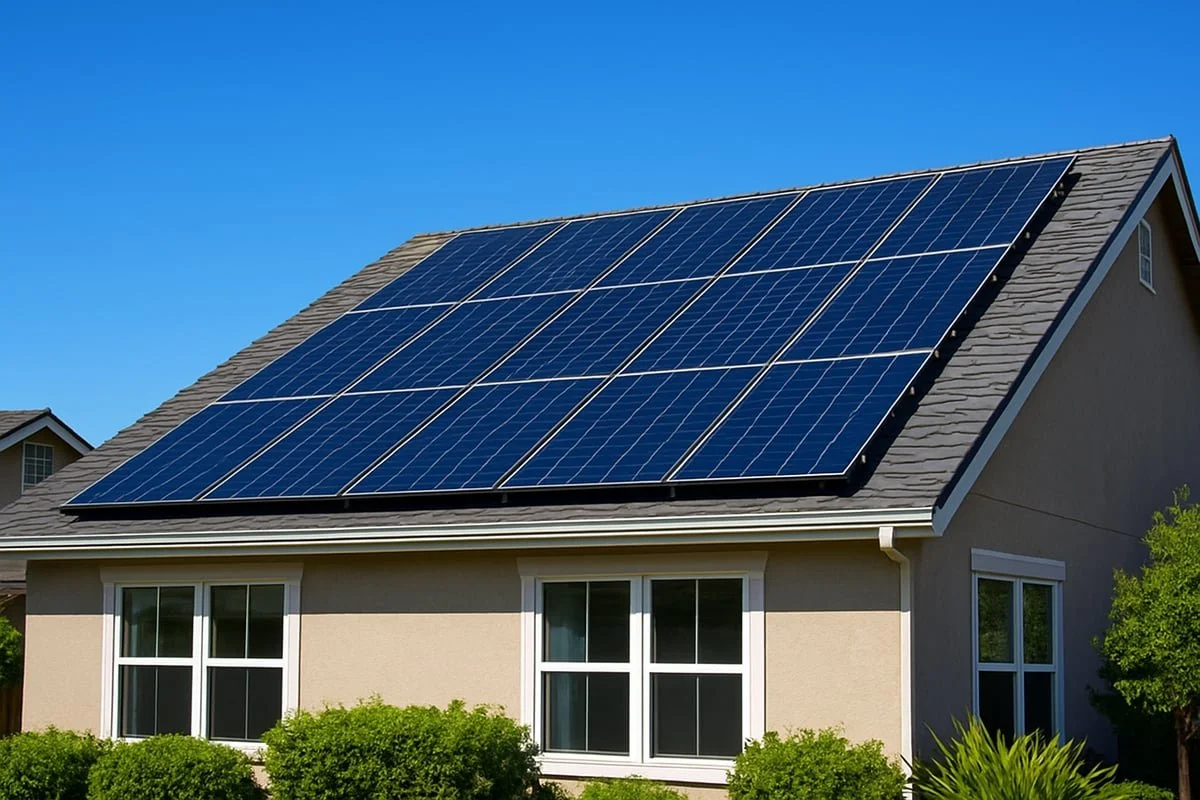
9 Essential Residential Solar Panel System Tips for 2025
1. Assess Your Home’s Solar Potential
Before installing a residential solar panel system, evaluate your home’s solar potential. The effectiveness of your system depends on your roof’s orientation, local shading from trees or buildings, and structural integrity.
South-facing roofs typically yield the best results, but east or west exposures can also work with the right design. Use online solar calculators and local solar maps to estimate the energy your property can generate. These tools factor in your location, roof angle, and sunlight hours.
Schedule a professional site assessment to confirm these findings. Experts will inspect your roof for shading issues, structural soundness, and space for the residential solar panel system. They can also identify any obstructions or repairs needed before installation.
Homes with minimal shading and solid, unobstructed roofs will enjoy the highest efficiency. If your property has shade or a complex roof layout, discuss potential solutions with your installer, such as tree trimming or alternative mounting options.
2. Understand New Solar Technologies in 2025
The solar industry is evolving rapidly, and 2025 brings advanced options for your residential solar panel system. High-efficiency bifacial panels capture sunlight from both sides, increasing output. These panels are ideal for homes with limited roof space.
Battery technology has also improved, with longer lifespans and faster charging. Smart inverters and AI-powered monitoring optimize power conversion and help you track performance in real time.
When considering new technologies, weigh the pros and cons. Cutting-edge options often provide better efficiency and durability, but may come with higher upfront costs. Evaluate whether the benefits justify the investment for your residential solar panel system.
Staying informed about emerging tech ensures your system remains competitive and future-proof. Consult your installer about the latest upgrades, and consider integrating smart home features for seamless energy management.
3. Choose the Right Solar Installer
Selecting a qualified installer is vital for a successful residential solar panel system. Look for professionals with proper licensing, insurance, and certifications from organizations like NABCEP.
Local experience is essential. An installer familiar with your area’s climate, permitting requirements, and utility regulations can streamline the process. Read customer reviews and ask for references to gauge reliability and service quality.
Request quotes from at least three installers. Compare not just price, but also equipment quality, warranty terms, and after-sales support. Ask questions about installation timelines, maintenance plans, and system monitoring.
A reputable installer will provide clear answers and detailed proposals. Prioritize transparency and communication to ensure your residential solar panel system meets your needs now and in the future.
4. Optimize System Size and Design
Tailoring your residential solar panel system to your household’s energy needs is key. Analyze your current electricity usage and consider future demands, such as electric vehicle charging or home expansions.
Balance the system size with your budget and available roof space. Oversizing can increase costs without significant benefits, while undersizing limits savings. A well-designed system will maximize production and fit seamlessly with your home’s aesthetics.
Battery storage integration is increasingly important for Florida homeowners. Adding a battery allows you to store excess solar energy for use during peak hours or outages. Discuss storage options with your installer to enhance the versatility of your residential solar panel system.
A thoughtful design ensures you get the most from your investment, both in daily savings and long-term performance.
5. Maximize Incentives and Financing Options
Take advantage of 2025’s robust incentives to lower the cost of your residential solar panel system. Federal tax credits, state rebates, and local programs can significantly reduce your upfront expenses.
Explore solar loans, leases, and power purchase agreements (PPAs). Each financing option affects your long-term savings differently. For example, owning your system lets you claim tax credits and build equity, while leasing may offer lower initial payments but fewer incentives.
Research available rebates and credits in your area. Some programs are time-sensitive or have limited funding, so act quickly to secure the best deals for your residential solar panel system.
Consult with your installer or financial advisor to navigate the application process. Proper planning ensures you maximize every available benefit and accelerate your return on investment.
6. Plan for Maintenance and Longevity
A well-maintained residential solar panel system delivers optimal performance for decades. Schedule routine cleaning to remove dust, pollen, and debris that can reduce efficiency. In humid climates like Florida, regular inspections help prevent mold or corrosion.
Set a maintenance schedule tailored to your environment. For example, in coastal areas, check for salt buildup and inspect mounting hardware for rust. Monitoring your system’s performance allows you to catch issues early, minimizing downtime and repair costs.
Panels typically last 25 to 30 years, while inverters may need replacement after 10 to 15 years. Keep records of all maintenance activities and warranty details for your residential solar panel system.
Professional maintenance services can further extend your system’s lifespan and protect your investment. Proactive care ensures consistent savings and reliability year after year.
7. Integrate Backup Power Solutions
Enhancing your residential solar panel system with backup power prepares you for outages and grid instability. Solar batteries store excess energy for use during storms or emergencies, providing uninterrupted power when you need it most.
Whole-home backup systems can include batteries, generators, or a combination of both. When selecting a solution, consider capacity, cost, and compatibility with your existing setup. Florida homeowners especially benefit from robust backup options during hurricane season.
Integrating battery storage increases your self-sufficiency and energy independence. For a deeper understanding of how batteries can elevate your system’s resilience, see Solar Panel System Battery Storage.
Investing in backup power ensures your residential solar panel system delivers peace of mind, regardless of weather or grid conditions.
8. Monitor and Optimize Your System’s Performance
Continuous monitoring is essential for maximizing your residential solar panel system’s efficiency. Modern systems feature apps and online portals that display real-time production data and alert you to any issues.
Regularly review your system’s output to identify drops in performance. Causes may include shading, equipment malfunctions, or weather changes. Promptly addressing these issues helps maintain optimal energy generation.
Consider upgrading components as technology advances. Swapping in higher-efficiency panels or smarter inverters can boost your residential solar panel system’s output over time.
Homeowners who actively monitor and optimize their systems often report higher savings and satisfaction. Staying engaged with your system ensures you enjoy all the benefits solar has to offer.
9. Stay Informed About Solar Policy Changes
Solar incentives, net metering, and utility regulations can change from year to year. Staying informed about policy updates protects your residential solar panel system’s return on investment.
Follow local and federal news for changes that may affect your energy credits or eligibility for rebates. For example, Florida’s solar policies in 2025 may impact how much you save or the speed of your payback period. Some utilities adjust compensation rates for excess solar energy, influencing your overall savings.
Join community forums or subscribe to industry newsletters to receive timely updates. Your installer can also provide guidance on regulatory changes affecting your residential solar panel system.
Being proactive ensures you adapt quickly, taking advantage of new opportunities and protecting your investment for years to come.
Key Considerations for Solar Panel Installation in Florida
Florida's sunny climate makes it ideal for a residential solar panel system, but the state's unique environmental factors require careful planning. Homeowners must understand local risks, building codes, and technical demands before starting an installation.

Key Considerations for Solar Panel Installation in Florida
Facing Florida’s Climate Challenges
Installing a residential solar panel system in Florida means preparing for hurricanes, high winds, and salty air. Panels and mounting hardware must be hurricane-rated to withstand intense storms. Look for products tested to meet or exceed Florida’s strict wind codes, especially in coastal regions.
Humidity and salt corrosion are constant threats, particularly in areas near the ocean. Choose corrosion-resistant materials such as anodized aluminum racking and marine-grade stainless steel fasteners. Regular inspection and timely maintenance are essential to maximize your system’s lifespan.
Permitting, Inspection, and Utility Interconnection
Florida has specific permitting and inspection requirements for any residential solar panel system. Homeowners should research local codes and work with installers familiar with the latest regulations. Most counties require structural engineering reports to confirm your roof can handle the added weight and uplift forces.
The utility interconnection process can vary between providers. Typically, utilities require a detailed application, review of your system design, and a final inspection before allowing your system to connect to the grid. Staying updated on Florida Solar Policies and Incentives in 2025 will help ensure compliance and maximize available benefits.
Material Selection for Coastal Installations
In coastal communities, salt spray accelerates wear on equipment. When planning your residential solar panel system, prioritize materials proven to resist corrosion. This includes heavy-duty, UV-resistant wiring and sealed electrical enclosures. Investing in these upgrades protects your system and improves long-term performance.
Florida Case Studies and Provider Expertise
Many Florida homeowners have successfully navigated these challenges by partnering with experienced, local installers. For example, a family in Miami Beach installed a residential solar panel system with hurricane-rated racking and marine-grade hardware, ensuring their investment survived hurricane season with minimal maintenance.
Selecting a provider with Florida-specific expertise is crucial. Local professionals understand wind zone requirements, permitting processes, and the best products for the region’s weather. Their knowledge makes your installation smoother and more resilient.
Frequently Asked Questions About Residential Solar in 2025
Thinking about a residential solar panel system in 2025? You are not alone. Many homeowners have questions about cost, maintenance, reliability, and more. Here are answers to the most common questions about installing a residential solar panel system this year.
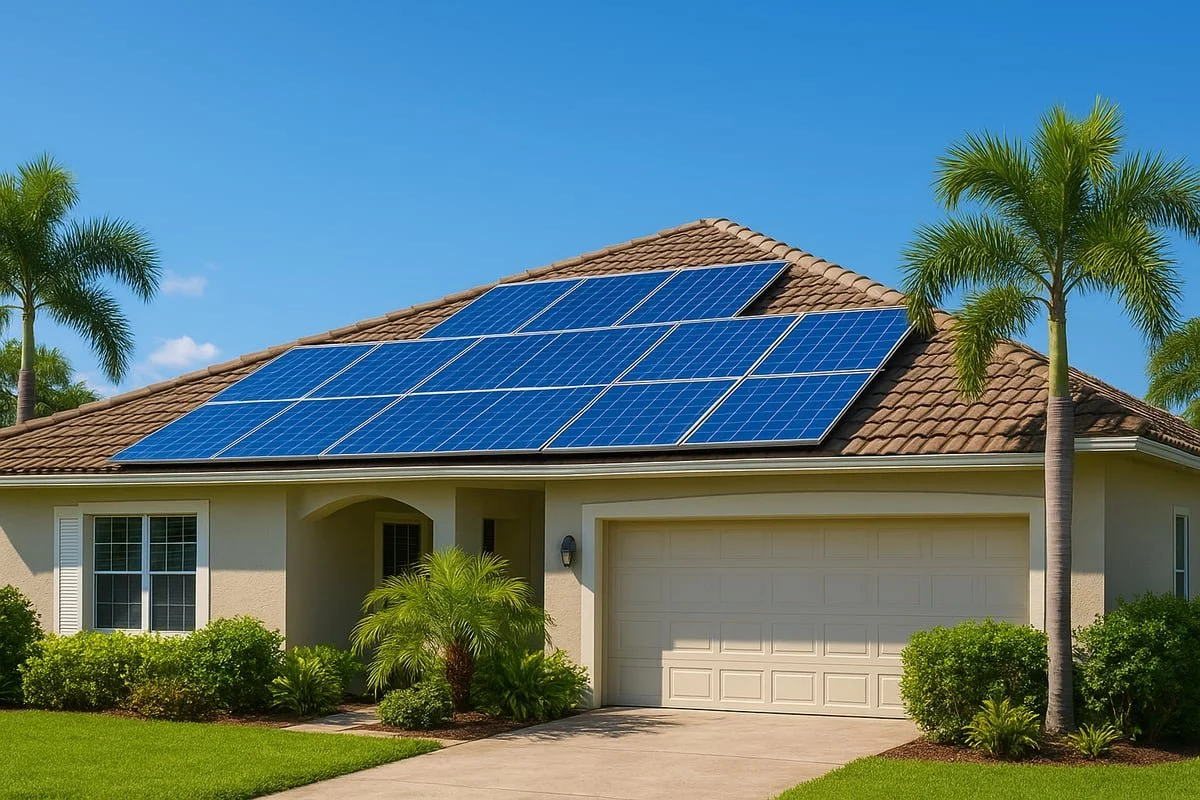
Frequently Asked Questions About Residential Solar in 2025
How much does a residential solar panel system cost in 2025?
The price for a residential solar panel system varies by location, size, and technology. In 2025, most homeowners in Florida can expect to pay between $15,000 and $25,000 before incentives. Federal tax credits and state rebates can substantially lower out-of-pocket expenses, making solar more affordable.
What is the typical payback period for a residential solar panel system?
Most homeowners see payback on their residential solar panel system within 6 to 10 years. Factors affecting payback include system size, local electricity rates, and available incentives. Understanding net metering can also impact your savings, as explained in Understanding Net Metering for Solar.
How do I maintain my residential solar panel system?
Routine maintenance for a residential solar panel system is simple. Panels should be cleaned a few times per year and inspected for debris, dust, or damage. Professional cleaning and maintenance can help maximize efficiency, as detailed in Essential Solar Panel Maintenance Tips.
Does solar work in cloudy or storm-prone areas like Florida?
Yes, a residential solar panel system can generate electricity even on cloudy days. Florida’s frequent storms may temporarily reduce output, but panels are designed to withstand severe weather. Many systems include battery backup to provide power during outages, giving homeowners greater peace of mind.
What do warranties and insurance typically cover?
A residential solar panel system usually comes with a 20- to 25-year panel warranty and a 10- to 15-year inverter warranty. Homeowner’s insurance often covers damage from storms or accidents, but it is wise to confirm specific policy terms with your provider.
How do I troubleshoot common issues with my residential solar panel system?
If your residential solar panel system is not performing as expected, check the monitoring app for alerts, inspect for visible obstructions, and consult your installer. Most issues are minor and can be resolved quickly with professional help or basic maintenance.
Resources and Next Steps for Homeowners
Navigating the path to a successful residential solar panel system begins with the right resources. With so many options in 2025, making informed decisions is crucial for maximizing savings and system performance. The following tools, guides, and communities will help you confidently move forward.
Online Calculators and Comparison Tools
Start by evaluating your home's solar potential and financial outlook with these trusted tools:
EnergySage Solar Calculator: Estimate costs, savings, and payback periods.
PVWatts Calculator (NREL): Analyze expected solar production for your location.
SolarReviews Comparison Tool: Compare panel brands, warranties, and installer options.
Using these tools will help you assess the benefits of a residential solar panel system tailored to your needs.
Incentive Programs and Rebates
Understanding current incentives is vital for reducing upfront costs and improving your return on investment. Explore both federal tax credits and state-specific programs, as these can change annually.
For Florida residents, comprehensive details on available rebates and credits are available through Florida Solar Incentives and Rebates. Reviewing these options ensures you maximize every financial advantage when installing your residential solar panel system.
Finding Certified Local Installers
Selecting a qualified installer is key to a seamless solar experience. Look for:
NABCEP certification and state licensing.
Positive customer reviews and local project experience.
Transparent pricing and detailed proposals.
Create a checklist to compare at least three providers. Ask about warranties, post-installation support, and their familiarity with Florida’s permitting requirements.
Ongoing Education and Community Support
Staying informed helps you optimize your residential solar panel system over time. Consider these steps:
Subscribe to solar newsletters and reputable industry blogs.
Join community forums like Solar United Neighbors or local Facebook groups.
Attend virtual webinars and local workshops for the latest policy updates.
Connecting with other solar homeowners provides real-world insights and ongoing motivation.
By leveraging these resources and support networks, you can confidently manage your transition to solar energy, ensuring your system delivers maximum value and sustainability for years to come.
Ready to take the next step toward lower energy bills, increased home value, and true energy independence? With all the tips you’ve just learned—from choosing the right system to securing the best incentives—there’s never been a better time to explore solar solutions tailored for Florida homeowners. At KingAire, we’re here to help you make a confident, informed decision so you can enjoy reliable, sustainable power for years to come. If you’re curious about what solar could look like for your home, you can Get a Free Quote and see how easy it is to get started.