
Home Surge Protection Guide: Essential Tips for 2025
Imagine the sudden loss of your favorite electronics or appliances, all caused by a hidden electrical surge that strikes without warning. Modern homes are filled with smart devices and high-value equipment, making them more vulnerable than ever to unexpected power spikes.
This guide to home surge protection for 2025 will show you how to shield your investments from costly damage. Discover effective strategies, learn about innovative solutions, and gain peace of mind with actionable tips from industry experts.
Understanding Electrical Surges: Causes and Consequences
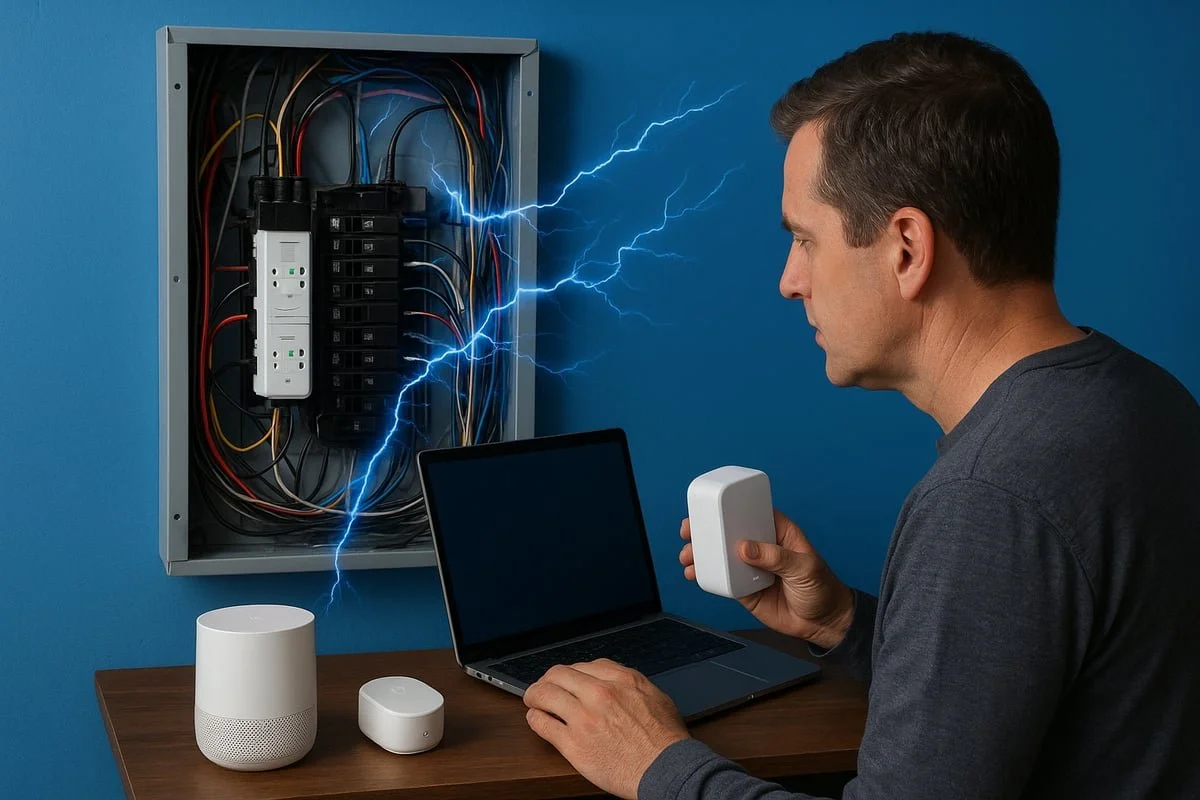
Electrical surges are sudden increases in voltage that move through your home's wiring. These spikes, often called transient voltage surges, can last for a fraction of a second but carry enough energy to damage electronics.
Minor surges happen daily, often unnoticed, and slowly wear down sensitive devices. Major surges, on the other hand, are powerful and can destroy appliances instantly. Surges may originate from outside the home, such as weather events, or inside, from regular appliance use. Understanding these differences is foundational to effective home surge protection.
Understanding Electrical Surges: Causes and Consequences
What is an Electrical Surge?
An electrical surge is a rapid, temporary spike in voltage that exceeds the normal flow of electricity. These surges, also called transient voltage spikes, can occur at any time.
There are two main types:
Minor surges: Low-level, frequent, and often go unnoticed, but they gradually weaken electronics.
Major surges: High-energy events that can instantly destroy devices or appliances.
Surges can be internal, caused by appliances cycling on and off, or external, resulting from weather or utility issues. Both types pose risks, making home surge protection essential for every household.
Common Causes of Home Electrical Surges
Electrical surges can arise from a variety of sources within and outside the home. Some of the most common causes include:
Lightning strikes: Even if a bolt does not hit your house directly, a nearby strike can send a surge through power lines.
Utility grid switching: When the power company switches grids or restores power after an outage, a large surge can enter your home's wiring.
Large appliances cycling: Devices like HVAC units or refrigerators create internal surges each time they start or stop.
Faulty wiring or overloaded circuits: Old or damaged wiring increases the risk of surges and can interfere with home surge protection.
Solar system integration: Adding solar panels and batteries can introduce new surge pathways, especially if not properly installed.
To explore these causes in more detail, visit this Causes of electrical surges resource for expert insights.
Recognizing these risks is the first step toward a comprehensive home surge protection strategy.
Typical Damage from Electrical Surges
When a surge strikes, the damage can be immediate or develop over time. Sensitive electronics, such as TVs, computers, and smart devices, are often the first to fail.
Common types of damage include:
Complete destruction of electronics: A powerful surge can instantly render devices unusable.
Shortened appliance lifespan: Even minor surges wear down motors and circuit boards in HVAC systems, refrigerators, and washers.
Data loss: Smart home systems and computers may suffer corrupted files or total data loss.
Fire hazards: Severe surges can overheat wiring, increasing the risk of electrical fires.
Real-life examples show that the average insurance claim for surge-related damage can reach thousands of dollars. For many homeowners, investing in home surge protection means avoiding costly replacements and ensuring peace of mind.
Types of Home Surge Protection Solutions
Choosing the right home surge protection requires understanding the different solutions available. Electrical surges can originate both inside and outside your home, causing significant damage to sensitive electronics and essential appliances. This section explores the main types of surge protection, their features, and how they defend your property from costly power events.

Types of Home Surge Protection Solutions
Whole Home Surge Protectors
Whole home surge protection is installed directly at your main electrical panel, creating a first line of defense against large, damaging external surges. These devices intercept high-voltage spikes from sources like lightning strikes or utility grid switching before they can reach your home's circuits.
When a surge occurs, the protector quickly diverts excess voltage safely to the ground, shielding every connected appliance and electronic device. This broad coverage is vital because many damaging surges enter through your main service line.
Whole home surge protectors are especially effective at blocking external threats and complementing point-of-use devices. Look for models that meet UL 1449 4th Edition standards, as these have been rigorously tested for safety and performance.
For an in-depth look at how these systems work and what to consider before installing one, see this Whole home surge protection guide.
Point-of-Use Surge Protectors
Point-of-use devices, such as surge-protecting power strips and outlet-based protectors, offer targeted home surge protection for sensitive electronics like computers, TVs, or gaming consoles. These are designed to absorb smaller, frequent surges that originate within your home, such as those caused by turning on a refrigerator or air conditioner.
While these protectors are easy to install and affordable, they only safeguard devices plugged directly into them. They do not provide complete home surge protection and are best used as a secondary layer alongside a whole house system.
Regular inspection and timely replacement of these protectors are crucial, as their effectiveness decreases over time.
Specialized Surge Protection for Solar, HVAC, and EV Systems
Modern homes with solar power systems, advanced HVAC units, or electric vehicle charging stations face unique surge risks. Surges can occur when solar inverters switch modes, batteries cycle, or heavy-duty appliances start up.
Specialized home surge protection devices are engineered for these systems. For example, surge protectors for solar panels protect delicate inverter electronics from both internal and external voltage spikes. HVAC surge protectors shield compressors and control boards, preventing costly repairs and system downtime.
EV charging stations require dedicated surge protection, as high charging currents can amplify the effects of a surge. Integrating these specialized devices ensures that all critical systems in your home receive tailored protection.
Comparing Protection Levels and Technologies
Selecting the right home surge protection involves comparing technical features:
| Feature | Importance |
|---|---|
| Joule Rating | Higher ratings mean better energy absorption |
| Clamping Voltage | Lower values offer faster response to surges |
| Response Time | Faster response reduces risk of damage |
| Technology | MOVs are common, but hybrid and gas discharge tubes add layers |
| Warranty/Replacement | Look for robust guarantees and device coverage |
MOV (Metal Oxide Varistor) technology is standard in most surge protectors, but advanced options may use hybrid circuits for added reliability. Always review warranty terms, as some manufacturers offer equipment protection guarantees for added peace of mind.
The Role of Lightning and EMP Protection
Lightning and electromagnetic pulse (EMP) events can generate extreme surges far beyond typical household spikes. While home surge protection handles most daily surges, lightning or EMP events may require extra layers of defense.
Lightning protection systems, such as rods and air terminals, help direct strikes safely to ground. EMP protectors are specialized devices designed to block high-intensity pulses that could cripple modern electronics.
Homes in high-risk regions or with critical infrastructure should consider supplementing standard home surge protection with these advanced solutions for comprehensive coverage.
Step-by-Step Guide: How to Protect Your Home from Surges in 2025
Electrical surges can occur at any moment, often without warning. Following a methodical approach is essential to maximize home surge protection and minimize risk to your electronics and appliances. This section breaks down each step you should take in 2025 to ensure your home is fully protected.

Step-by-Step Guide: How to Protect Your Home from Surges in 2025
Step 1: Assess Your Home’s Surge Risk
Start by evaluating your home’s unique surge risk profile. Consider local weather patterns, especially if you live in regions prone to severe storms or frequent lightning, as in many areas of Florida. Review past power outages in your neighborhood and note how often they occur.
Make a list of all valuable electronics and appliances, including TVs, computers, smart home hubs, and kitchen equipment. Don’t forget to count newer additions like solar panels, backup generators, or electric vehicle chargers, as each adds complexity to your electrical system.
If your home includes advanced technology, the need for robust home surge protection increases. By understanding your home’s vulnerabilities, you can prioritize areas that require immediate attention.
Step 2: Inspect and Upgrade Your Electrical System
Next, inspect your home’s wiring and electrical infrastructure. Outdated wiring, overloaded circuits, or an old electrical panel can make your property more susceptible to both internal and external surges. If you notice frequent tripped breakers or flickering lights, these may signal underlying issues.
Schedule a professional inspection with a licensed electrician. They can identify weak points and recommend necessary upgrades, such as a modern electrical panel or additional circuit breakers. Investing in these improvements is a foundational step in comprehensive home surge protection.
Upgrading your system ensures that surge protectors and other safety devices will work as intended, reducing the risk of electrical fires or damaged equipment.
Step 3: Choose the Right Surge Protection Devices
Selecting the best surge protection devices is crucial for safeguarding your home. Begin with a whole home surge protector installed at the main panel. Look for models certified to UL 1449 standards, with a high joule rating and fast response time.
For sensitive electronics, use point-of-use surge protectors on outlets near computers, TVs, and smart home devices. Specialized devices are available for solar panels, HVAC systems, and EV charging stations. If you have solar power, consult guides like Surge protection for solar panels to address unique risks and integration tips.
Budget for comprehensive home surge protection across all critical systems. Read product warranties carefully, and choose devices from reputable manufacturers to ensure reliability and ongoing support.
Step 4: Professional Installation and Maintenance
Rely on licensed electricians for installation of whole home surge protectors and other major devices. Professionals ensure that equipment is connected properly and complies with local building codes. The installation process typically involves shutting off the main power, mounting the device near the panel, and verifying all connections.
Regular maintenance is key to effective home surge protection. Schedule periodic check-ups, especially after significant storms or electrical events. Electricians can test devices to ensure they are still functional and replace units that show signs of wear or damage.
Ongoing maintenance preserves the integrity of your protection plan and helps prevent unexpected failures.
Step 5: Regularly Review and Update Your Protection Plan
Technology in the home changes quickly. Each new appliance, smart device, or system upgrade can alter your risk profile. Set reminders to review your surge protection plan annually, making adjustments as needed.
Keep records of all devices, warranties, and installation dates. Monitor news for product recalls or advances in surge protection technology. Staying proactive keeps home surge protection strategies up to date and ready to handle emerging threats.
Annual check-ups and regular plan updates can prevent costly gaps in your home’s defense.
Step 6: Integrate Surge Protection with Backup Power Solutions
Backup power sources like generators or solar batteries are increasingly common in modern homes. Integrate surge protection with these systems to ensure seamless operation during outages and transitions between power sources.
Surge protectors can prevent damage when switching between grid and backup power, protecting both your devices and the backup systems themselves. This integration is an essential part of a holistic home surge protection strategy.
By following these steps, you can dramatically reduce the risk of costly damage from electrical surges and keep your home’s technology running smoothly.
Surge Protection Trends and Innovations for 2025
The landscape of home surge protection is rapidly evolving in response to the increasing complexity of modern homes. As more families invest in smart technology, solar systems, and high-efficiency appliances, the risk and impact of electrical surges grow. In 2025, several key trends are shaping how homeowners defend their electronics and property from costly damage.
Surge Protection Trends and Innovations for 2025
Smart Surge Protection and IoT Integration
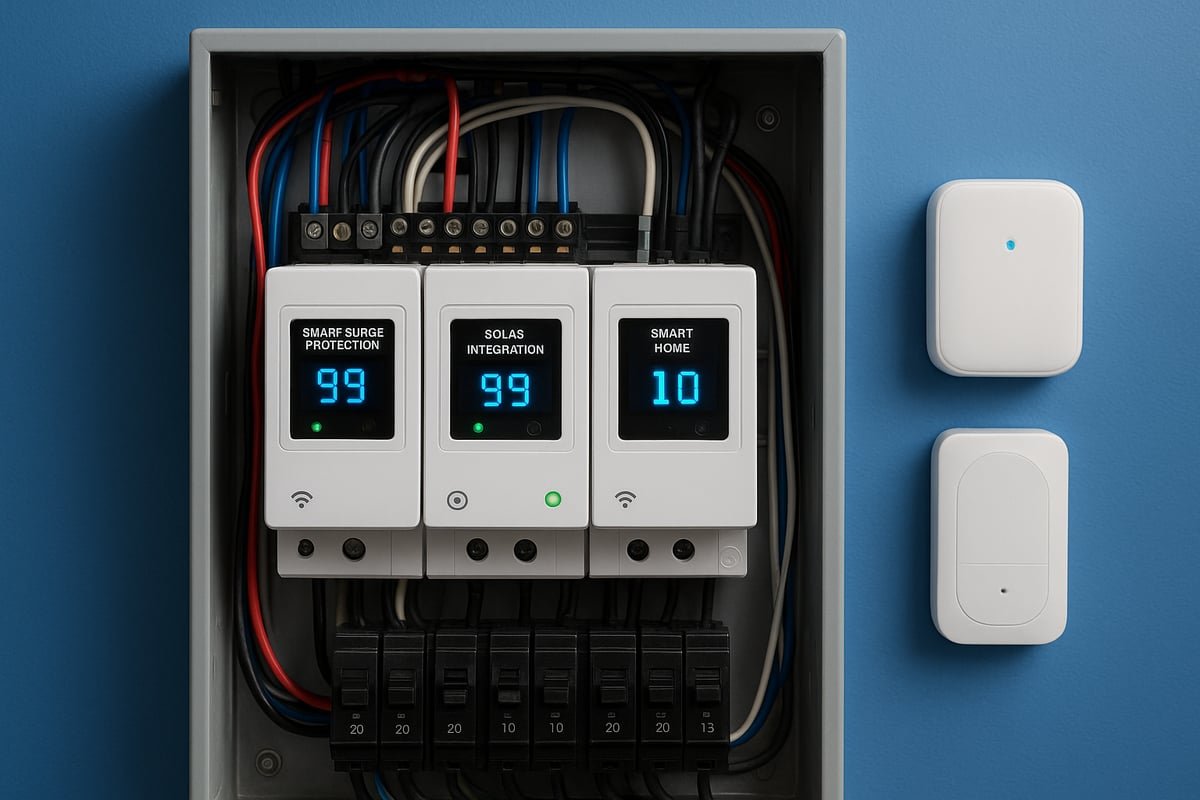
Smart surge protection is transforming how homeowners monitor and manage their electrical systems. New devices now connect directly to home Wi-Fi or smart hubs, providing real-time alerts about voltage spikes or dangerous surges. For example, smart panels and plug-in surge protectors can send instant notifications to your phone, allowing you to act quickly if a surge is detected.
These innovations address the reality that most electrical surges originate inside the home, often when large appliances like HVAC systems or refrigerators cycle on and off. Such internal surges can quietly degrade sensitive electronics over time, leading to unexpected failures. By integrating home surge protection with IoT, homeowners gain visibility and control, reducing the risk of hidden damage.
Enhanced Protection for Modern Electronics
Today's homes are filled with sensitive devices, from ultra-high-definition TVs to gaming systems and smart kitchen appliances. Many of these electronics are vulnerable to even minor surges, which may not trip a breaker but can cause gradual damage or data loss. Enhanced home surge protection solutions for 2025 are engineered specifically for these needs.
Surge protectors now offer higher joule ratings, faster response times, and compatibility with high-wattage and fast-charging devices. This means your valuable electronics are better shielded from both large and small surges. Over time, this level of protection can prevent costly repairs, lost data, or even fire hazards caused by repeated minor surges.
Advances in Solar and Renewable Energy Surge Protection
As solar panels and battery storage become more common, specialized home surge protection is essential to address unique risks. Solar inverters, for example, can inadvertently introduce surges into your home's electrical system during power fluctuations or grid switching. Batteries and EV chargers also present new pathways for transient voltage spikes.
Manufacturers are responding with hybrid devices that combine surge and electromagnetic pulse (EMP) protection, safeguarding not only solar systems but the entire home. New standards ensure these devices can handle the rapid changes in voltage associated with renewable energy setups, minimizing the chance of equipment failure or fire.
Regulatory and Insurance Developments
Industry standards and insurance requirements are also evolving to keep pace with new threats. Updated building codes for 2025 require higher levels of home surge protection for new construction and major renovations. Insurance providers are increasingly offering incentives or discounts for homes equipped with certified surge protection systems.
Recent statistics, such as those highlighted in the ESFI Surge Protective Devices Survey Results, show a growing recognition of surge risks and the effectiveness of modern protection measures. Staying up to date with regulations not only ensures safety but can also improve a home's resale value and reduce long-term costs.
Cost, Value, and ROI of Home Surge Protection
Protecting your home from electrical surges is not just about peace of mind. It is also a smart financial decision. Understanding the true cost, value, and return on investment of home surge protection helps you make informed choices for your property and electronics.
Upfront and Ongoing Costs
The initial investment in home surge protection varies based on the system and your home's size. Whole home surge protectors typically cost between $200 and $600 for the device itself. Professional installation may add $150 to $400, depending on local rates and panel complexity.
Point-of-use surge protectors, such as power strips for individual devices, range from $20 to $60 each. Ongoing maintenance costs are minimal but should include occasional inspection and replacement if a protector has absorbed a significant surge. Overall, home surge protection is a modest recurring expense compared to the potential cost of equipment loss.
Calculating the Value of Protection
To understand the value of home surge protection, compare the investment against potential losses from a single surge event. A major surge can destroy thousands of dollars’ worth of electronics, including TVs, computers, and smart appliances. Insurance data shows average claims for surge-related damage often exceed $2,500 per incident.
Investing a few hundred dollars in surge protection can prevent losses that would far outweigh the upfront cost. For a deeper dive into the financial and practical benefits, see the Total home surge protection benefits guide. This resource illustrates how protection can save both money and stress in the long run.
Long-Term Savings and Home Value Impact
The benefits of home surge protection extend far beyond immediate savings. By shielding appliances and electronics from repeated small surges, you can significantly lengthen their lifespan. Fewer replacements for HVAC units, refrigerators, or entertainment systems mean more money stays in your pocket.
Additionally, homes equipped with surge protection systems may appeal to buyers who value safety and smart technology upgrades. This can increase your property's resale value and marketability, especially as more buyers seek move-in-ready, protected homes.
Navigating Warranties, Guarantees, and Insurance
Understanding warranties is crucial when investing in home surge protection. Many manufacturers offer warranties covering connected equipment, sometimes up to $25,000 or more, if their device fails to stop a surge. Always read the fine print, as coverage may depend on proper installation and system maintenance.
Check with your insurer about discounts for homes with certified surge protection. Some policies offer lower premiums or enhanced coverage for proactive protection measures. Keep documentation of your surge protection system for any future claims or warranty needs.
Frequently Asked Questions About Home Surge Protection
Electrical surges are more common than many realize, and understanding how they occur within your home is essential for effective home surge protection. Everyday activities, such as cycling large appliances like HVAC systems or refrigerators on and off, can cause minor surges internally. These small, repeated voltage spikes gradually wear down sensitive electronics. Externally, lightning strikes or utility grid switching events send powerful surges through wiring, often resulting in immediate and severe damage. The consequences range from fried circuit boards and corrupted data to total appliance failure. Proactive home surge protection is the best way to guard against these risks and protect your investment.
Do I Need Both Whole Home and Point-of-Use Surge Protectors?
For robust home surge protection, experts recommend a layered approach. Whole home surge protectors, installed at the main electrical panel, intercept large surges before they reach branch circuits. However, small surges can still originate inside the house from appliance cycling or faulty wiring. Point-of-use surge protectors, like power strips, provide targeted defense for sensitive devices such as computers and TVs. Combining both types ensures comprehensive coverage against internal and external threats. According to the EPRI Consumer Guide on Surge Protection, this dual strategy significantly lowers the risk of costly damage. Always consult with a licensed electrician for optimal protection.
How Often Should Surge Protectors Be Replaced?
The effectiveness of home surge protection depends on the condition of your devices. Most surge protectors use MOV (Metal Oxide Varistor) components, which degrade over time as they absorb surges. A typical lifespan ranges from three to five years, but frequent surges can shorten this period. Key signs of wear include indicator lights turning off, visible scorching, or devices no longer offering protection. Manufacturers often recommend scheduled replacement, especially after a major surge event. Regularly inspect your surge protectors and upgrade when necessary to maintain reliable home surge protection and avoid unexpected failures.
Can I Install Surge Protection Myself?
While some point-of-use surge protectors are designed for simple plug-and-play installation, whole home surge protection should always be handled by a licensed electrician. Professional installation ensures compliance with local electrical codes, proper grounding, and optimal device placement. Incorrect installation can leave gaps in protection and may even void product warranties or home insurance coverage. For DIY enthusiasts, only attempt basic power strips and outlet protectors, and always follow manufacturer instructions closely. For whole home surge protection, trust an expert to safeguard your property and maximize safety.
What’s the Difference Between Surge Protection and Lightning Protection?
Home surge protection primarily guards against transient voltage spikes from grid fluctuations, appliance cycling, and minor electrical disturbances. Lightning protection systems, on the other hand, are specifically engineered to channel direct lightning strikes safely into the ground, preventing fires and catastrophic damage. Surge protectors may help with indirect lightning-induced surges but cannot protect against a direct hit. In high-risk areas, combining both systems is wise. For more on the importance and differences, see the Surge Protection Whitepaper by DITEK. Assess your risk and consult professionals for a tailored solution.
Real-World Examples: Surge Events and Lessons Learned
Electrical surges can strike any home, often without warning. Understanding how common surges start and the real-world impact they have on electronics and appliances is crucial for every homeowner. By learning from past events and mistakes, you can make smarter choices about home surge protection and avoid costly losses.
Case Studies of Surge Damage and Prevention
Inside a typical home, electrical surges often begin when large appliances, such as refrigerators or HVAC systems, cycle on and off. This sudden demand for power can send voltage spikes through wiring. In one Florida household, a routine thunderstorm sent a surge through the main panel, frying a smart thermostat and two televisions. The homeowner had only basic power strips, which failed to prevent the loss.
On the other hand, some homes avoided disaster thanks to comprehensive home surge protection. After a nearby lightning strike, a family with a whole home surge protector installed at their electrical panel reported no damage, even though neighbors lost appliances. These real accounts highlight how surges can originate both inside and outside, and how the right protection can make all the difference.
Lessons from Common Mistakes
Many homeowners believe that plugging electronics into inexpensive power strips is enough. However, these devices often lack the capacity to block major surges. For example, a homeowner relied solely on point-of-use surge protectors for their office setup. When a surge hit, the strips failed, resulting in a damaged computer and lost data.
Another frequent mistake is skipping whole home surge protection when upgrading to solar panels or EV charging stations. Integration of new technology increases surge risk, and without upgraded protection, sensitive equipment is left exposed. Learning from these errors, it is clear that a layered approach to home surge protection is the most effective defense.
Tips for Staying Ahead of Future Threats
To stay protected, homeowners should regularly review and upgrade their surge protection plan. As technology evolves, so do the threats. Adding smart panels and keeping up with innovations in surge protection is crucial. For instance, industry reports like the Whole House Surge Protection Device Market Outlook 2025-2032 highlight emerging solutions designed to safeguard modern homes.
It is wise to schedule annual check-ups, especially after installing new appliances or solar systems. Taking these proactive steps ensures your home surge protection remains effective against both familiar and future risks.
After learning how power surges can threaten everything from your smart devices to your solar system, it’s clear that taking action now is a smart investment for your home’s future. Protecting your property isn’t just about peace of mind—it’s about avoiding costly repairs, extending the life of your appliances, and staying ahead of Florida’s unpredictable weather. If you’re ready to make sure your home is fully prepared for 2025 and beyond, let’s take the next step together. You can Get a Free Quote and find out exactly what your home needs to stay safe and secure.