
Adding Battery To Solar System Guide: 2025 Expert Insights
Imagine a future where you never have to worry about sudden blackouts or unpredictable electricity bills. Many homeowners invest in solar, yet without a battery, they remain connected to the electrical grid. When the sun sets or clouds roll in, your home draws power from the grid, making true energy independence impossible.
In 2025, adding battery to solar system is the solution that empowers you to store your own clean energy and keep your lights on, even during outages. This expert guide reveals everything you need to know about retrofitting your solar system with battery storage, from industry trends to step-by-step installation.
Discover why battery storage is growing in popularity, how it integrates with your existing setup, what incentives are available, and how to make the most of your upgraded system.
Why Add a Battery to Your Solar System in 2025?
Imagine having solar panels on your roof, yet still depending on the utility grid every night or during cloudy days. Without battery storage, your solar system sends excess energy back to the grid and draws power when the sun is down. This means you are still vulnerable to outages and utility rate hikes. In 2025, adding battery to solar system setups is quickly becoming essential for true energy independence.

Why Add a Battery to Your Solar System in 2025?
Growing Demand for Energy Resilience
Power outages and severe weather events are increasing across the United States, making energy resilience a top priority for homeowners. In fact, 2024 saw a surge in demand for adding battery to solar system installations, with 25 percent of new residential solar setups now including batteries, compared to just 6 percent in 2020.
Homeowners are realizing that a solar system alone does not guarantee backup power. When the grid goes down, most solar-only systems automatically shut off for safety, leaving you without electricity. By adding battery to solar system configurations, you create a buffer that keeps essential appliances running, even during blackouts. This shift reflects a growing desire for energy independence and peace of mind.
Financial and Operational Benefits
Retrofitting your solar array with battery storage offers several financial and operational advantages:
Store excess solar energy for use during peak demand or outages
Reduce dependence on the grid and avoid high time-of-use (TOU) rates
Protect against rising utility costs and unpredictable rate structures
Participate in Virtual Power Plant (VPP) programs for potential extra income
When considering adding battery to solar system setups, you can maximize your solar investment by using stored energy when electricity prices spike. This not only saves money but also ensures reliable power when you need it most. For a deeper dive into the pros and cons of battery retrofits, see Are Solar Batteries Worth It?.
Regional Drivers and Incentives
Certain regions are leading the charge in battery adoption due to local policies and incentives:
States with limited net metering (such as Hawaii) see more interest in adding battery to solar system setups
High TOU rates in places like California drive demand for storage
Federal, state, and local incentives—including a 30 percent federal tax credit—make battery retrofits more affordable, but many of these programs are set to expire after December 2025
The urgency to install batteries is especially strong in areas where utility rules limit the value of exporting solar energy to the grid.
Environmental and Sustainability Impacts
Adding battery to solar system installations helps homeowners maximize the use of renewable energy and shrink their carbon footprint. Stored solar energy can be used after sunset, reducing reliance on fossil-fueled power plants. Batteries also support grid stability by smoothing out spikes in demand, paving the way for a cleaner, more sustainable energy future.
Real-World Example
In Florida, homeowners frequently experience hurricanes and grid failures. Many choose adding battery to solar system solutions so they can maintain power for refrigerators, lights, and medical devices during prolonged outages.
Key Insights
Battery storage is rapidly becoming the new standard for solar systems. Falling prices, improved technology, and the push for energy security are accelerating adoption. For anyone considering adding battery to solar system setups, the benefits in resilience, savings, and sustainability are clearer than ever.
Understanding Solar System & Battery Compatibility
Adding battery to solar system is a crucial step toward energy independence, but understanding how your current setup works is essential before making the switch. For many, a solar-only system provides daytime power and some savings, but it also means you remain closely tied to the electrical grid.
Understanding Solar System & Battery Compatibility
How Solar-Only Systems Work Without a Battery
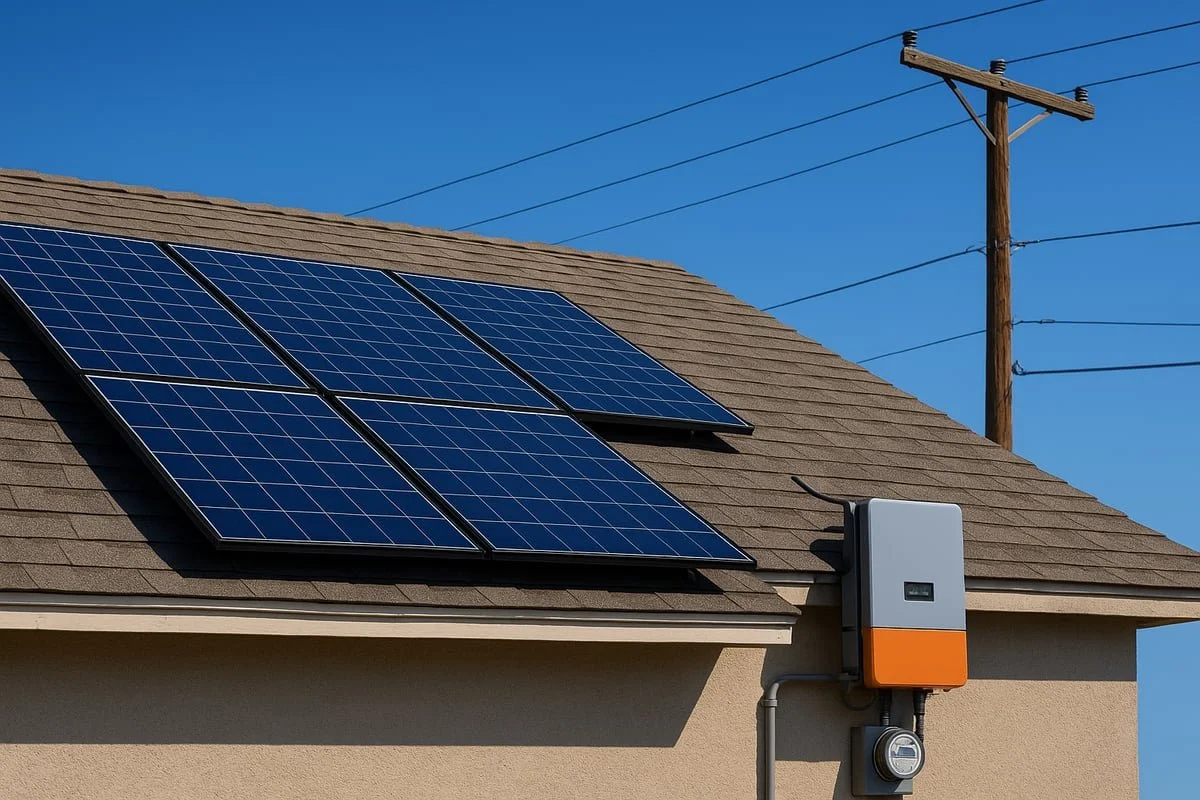
If you have solar panels but no home battery, your system generates electricity during daylight hours. Any excess energy not used immediately is sent to the grid, often earning you credits through net metering. However, when the sun sets or clouds roll in, your home draws power directly from the grid.
This means that, despite having solar panels, you are still dependent on your utility company for electricity during nighttime and outages. If the grid goes down, your solar system automatically shuts off for safety reasons, leaving you without power. For a deeper dive into how these systems operate and why adding battery to solar system is advantageous, explore this Solar Without a Battery Guide.
The Role of Inverters in Battery Integration
Inverters are the backbone of any solar setup. They convert the DC electricity from your panels into AC power for your home. There are several types: string inverters, microinverters, and hybrid or storage-ready inverters.
String inverters are common in older setups, while microinverters are used for panel-level optimization. Hybrid inverters, however, streamline adding battery to solar system by supporting both solar and battery connections. If your current inverter is nearing the end of its 10 to 15-year lifespan, it might be time to upgrade to a hybrid model for seamless battery integration.
AC-Coupled vs. DC-Coupled Battery Solutions
When considering adding battery to solar system, you will encounter AC-coupled and DC-coupled solutions. AC-coupled batteries, like the Tesla Powerwall, are typically easier to retrofit and compatible with most existing systems, though they may be slightly less efficient.
DC-coupled batteries require a hybrid inverter and offer higher efficiency by storing energy before it is converted to AC. Products like the SolarEdge Home Hub exemplify this model. The right choice depends on your current system, desired efficiency, and installation complexity.
| Solution Type | Retrofit Ease | Efficiency | Example Product |
|---|---|---|---|
| AC-coupled | High | Good | Tesla Powerwall 3 |
| DC-coupled | Moderate | Higher | SolarEdge Home Hub |
Battery Compatibility Factors
Not all batteries fit every solar system. Key factors include battery chemistry, system voltage, and capacity needs. Lithium-ion and LiFePO4 batteries dominate today's market for their safety and longevity.
Proper sizing is vital. Consider your household's typical energy use and backup expectations. Adding battery to solar system requires careful matching of battery specs to your inverter, wiring, and energy goals. Always consult with a qualified installer for compatibility checks.
Grid Connection Realities
Even with solar panels, if you lack a battery, you are still tied to the electrical grid. Your home relies on the grid for power after sunset, during cloudy periods, or anytime solar output drops below demand. In grid outages, safety protocols force your solar system offline to protect utility workers, leaving you without power.
Adding battery to solar system is the only way to ensure continuous electricity during blackouts. Batteries allow your home to operate independently when the grid fails, providing the backup and resilience that many homeowners seek.
Statistics & Data
By 2025, nearly 25% of new residential solar installations will include battery storage, compared to just 6% in 2020. The average US home battery stores 10 to 13 kWh, enough to power essential loads for several hours.
Falling battery prices and improvements in technology make adding battery to solar system increasingly practical. As more households prioritize resilience and savings, batteries are quickly becoming a standard component of modern solar solutions.
Key Considerations Before Adding a Battery
Upgrading to battery storage is an exciting step, but careful planning is crucial. Before adding battery to solar system setups, homeowners should evaluate their current equipment, local regulations, and financial incentives. Doing so ensures a seamless retrofit and long-term satisfaction.
System Assessment & Upgrade Needs
Start by assessing your existing solar setup. Most solar systems without batteries are grid-tied, meaning you depend on the utility for power at night or during outages. Even if you generate solar energy during the day, without storage, any excess is sent back to the grid. When the grid goes down, your system shuts off for safety, leaving you without power.
Consider these key steps:
Check if your inverter is storage-ready or will need replacement.
Evaluate the age and capacity of your solar panels.
Confirm if your wiring and electrical panel can support adding battery to solar system configurations.
Consulting a qualified installer for a full system review helps prevent unexpected costs or delays.
Permitting and Regulatory Requirements
Local regulations play a major role in adding battery to solar system projects. Each Authority Having Jurisdiction (AHJ) may have specific requirements for battery retrofits. These can include:
Updated electrical permits
Compliance with the National Electrical Code (NEC)
Utility interconnection agreements
Some areas require additional disconnect switches or remote monitoring for safety. Before proceeding, check with your installer and local officials to ensure all paperwork and inspections are in order. This proactive approach streamlines the process and avoids costly mistakes.
Sizing Your Battery for Usage & Backup
Choosing the right battery size is essential when adding battery to solar system setups. Begin by analyzing your household energy use. Decide if you need backup for only critical loads, like your refrigerator and lights, or for the entire home.
Typical considerations:
List which appliances need backup during outages.
Calculate daily energy usage and peak demand.
Determine the number of batteries needed for desired backup time.
A typical home battery stores 10–13 kWh, supporting essential devices for several hours. Whole-home backup may require multiple batteries, increasing both cost and installation complexity.
Customer Expectations & System Limitations
Setting realistic expectations is key to satisfaction after adding battery to solar system installations. Batteries excel at powering critical circuits during outages, but may not support high-demand appliances like central AC or electric heaters for extended periods.
Important points to keep in mind:
Understand which loads will be backed up.
Use energy management apps to monitor and optimize usage.
Backup duration depends on battery size and how much power you draw.
Discuss limitations with your installer and plan for a critical load panel if needed. This ensures you get the backup performance you expect.
Financial Considerations & Incentives
The financial side of adding battery to solar system upgrades can be complex, but incentives can make a big difference. The 30% federal tax credit is a major benefit, but it is set to expire after December 31, 2025. Many states and utilities also offer rebates or incentives, further improving the value proposition.
For a detailed guide on how to maximize these savings, see How to Claim the 30% Federal Tax Credit, which walks through eligibility and claiming procedures.
Factor in both upfront costs and long-term savings, such as reduced utility bills and increased home value. Acting soon lets you take full advantage of available incentives before they change.
Step-by-Step Guide: How to Add a Battery to Your Solar System
Ready to take control of your energy future? Adding battery to solar system setups is a practical way to maximize your solar investment, protect your home from outages, and save on utility bills. This guide walks you through each step, from planning to final approval, so you can confidently tackle a seamless battery retrofit.
1. Evaluate Energy Storage Needs
Determining your energy storage needs is the foundation for adding battery to solar system configurations. Start by reviewing your daily electricity usage, which you can find on your utility bill or through your solar monitoring app.
Ask yourself: Do you want to back up only essential appliances or your entire home? Critical loads often include refrigerators, lights, medical devices, and internet routers. Whole-home backup covers every circuit but requires more capacity and higher investment.
Calculate your average daily energy use in kilowatt-hours (kWh).
Decide on backup duration: a few hours or multiple days.
Typical home batteries range from 10 to 13 kWh, supporting critical loads for 8–24 hours.
Matching your expectations to your budget ensures the right solution for your lifestyle.
2. Assess System Compatibility
Before adding battery to solar system setups, assess your current solar array, inverter type, and wiring. The inverter is the heart of your system, converting DC from panels to AC for your home.
There are three main inverter types: string, microinverters, and hybrid/storage-ready inverters. Hybrid inverters make integrating batteries easier. If your system uses older string or microinverters, you may need upgrades or additional equipment.
It is important to note that if you have solar panels without a battery, you are still connected to the utility grid. During the day, your system sends excess energy to the grid, and you draw power from the grid at night or during cloudy periods. In a blackout, grid-tied solar systems shut down for safety, leaving you without power unless you have a battery backup.
Evaluate the age and remaining lifespan of your inverter. Most last 10–15 years, so consider replacing it if it is nearing the end of its life.
3. Check Local Permitting and Utility Requirements
Adding battery to solar system projects requires careful attention to local permitting and utility rules. Each Authority Having Jurisdiction (AHJ) sets its own requirements for battery retrofits. You may need to submit electrical plans, secure permits, and comply with the National Electrical Code (NEC).
Your utility will likely require an updated interconnection agreement. Some areas mandate extra safety equipment, such as disconnect switches or remote monitoring.
Do not overlook incentives and tax credits. The Federal 25D Battery Storage Tax Credit offers a 30% credit on battery installation costs for eligible projects, but it is set to expire after December 2025, so timing is crucial.
4. Select the Right Battery Solution
Choosing the right battery is a key step in adding battery to solar system installations. Decide between AC-coupled and DC-coupled solutions. AC-coupled batteries like the Tesla Powerwall are easier to add to existing systems, while DC-coupled solutions such as SolarEdge Home Hub are more efficient but may require a new hybrid inverter.
Compare top brands for reliability, warranty length, and monitoring features. Popular options include Tesla Powerwall, Enphase IQ, SolarEdge, and Panasonic Evervolt.
Look for batteries with at least a 10-year warranty.
Consider chemistry: lithium-ion and LiFePO4 are common for homes.
Ensure compatibility with your solar system and inverter.
Research available software features for energy monitoring and backup customization.
5. Plan for Installation
Once you have selected your battery, plan the installation process. Adding battery to solar system setups usually requires a licensed installer with experience in retrofits.
Coordinate with your installer to review any necessary upgrades, such as replacing the inverter, updating wiring, or adding a critical load panel. Discuss the installation timeline, which typically ranges from 1 to 3 days depending on complexity.
Prepare for brief power interruptions during the installation. Clear access to your electrical panel and inverter will help your installer work efficiently.
6. Installation Process
The actual installation of your battery involves several precise steps. Your installer will mount the battery unit securely, then connect it to your existing solar and inverter system.
Wiring will be reconfigured to enable seamless charging and discharging. The installer will update system settings to ensure proper operation and safety.
Comprehensive safety checks are performed before the system is commissioned. Once everything is tested, your battery is ready for use.
7. System Programming & Monitoring
After installation, system programming is essential for optimizing performance. Adding battery to solar system setups allows you to configure backup priorities and time-of-use (TOU) optimization.
Your installer will help set up a monitoring app, giving you real-time insights into battery charge, usage, and alerts. Many apps also allow you to customize how the battery responds during outages or peak demand periods.
Homeowner training ensures you know how to manage your system, recognize alerts, and schedule maintenance checks.
8. Final Inspections & Utility Approval
The last step in adding battery to solar system projects is passing final inspections and securing utility approval. The local inspector will verify that the installation meets all safety and code requirements.
You must receive Permission to Operate (PTO) from your utility before activating the battery system. This step is crucial for eligibility for incentives and net metering credits.
Document all system specifications, warranty information, and incentive paperwork for future reference. With approval secured, your upgraded solar-plus-storage system is ready to deliver reliable, resilient power.
Costs, Incentives, and Financial Benefits of Battery Retrofits
When you have a solar system without a battery, you still rely on the grid for power at night or during cloudy days. This means that, despite producing your own electricity, you are not fully independent, and grid outages can still leave you without power. Adding battery to solar system changes this equation, offering greater control over your energy use and financial future.
Upfront and Ongoing Costs
The initial investment for adding battery to solar system can range from $10,000 to $20,000 or more, depending on the battery size and brand. Installation and labor typically add another $2,000 to $5,000. If your system requires an inverter upgrade or additional wiring, costs may increase.
Cost Breakdown Table
| Item | Typical Cost Range |
|---|---|
| Battery Hardware | $10,000 – $20,000+ |
| Installation & Labor | $2,000 – $5,000 |
| Inverter Upgrade (if needed) | $1,500 – $3,000 |
| Critical Load Panel | $1,000 – $2,000 |
Ongoing costs are minimal, with most expenses related to occasional maintenance or future battery replacement.
Incentives & Tax Credits
Financial incentives can significantly lower the net cost of adding battery to solar system. The 30% federal tax credit covers both equipment and installation but is set to expire after December 31, 2025. Many states and utilities also offer rebates or incentives.
You can learn more about the upcoming expiration and how to maximize your benefits in this Solar & Battery Tax Credits Expiration guide. Virtual Power Plant (VPP) programs in select markets provide additional income opportunities by allowing homeowners to send stored energy back to the grid during peak times.
Savings from Time-of-Use and Demand Charges
With time-of-use (TOU) billing, electricity prices are higher during peak demand periods. Adding battery to solar system lets you store energy when rates are low and use it during expensive peak hours, reducing your utility bill.
Avoid or reduce demand charges
Use stored power during outages
Participate in VPPs for extra revenue
California homeowners, for instance, can save hundreds each year by leveraging their batteries for TOU arbitrage. This strategy is especially valuable in regions with high TOU rates or limited net metering.
Long-Term Value and ROI
The long-term value of adding battery to solar system goes beyond immediate savings. Batteries add resilience, increase your home’s value, and provide peace of mind during grid disruptions.
Typical battery lifespan: 10–15 years
Most warranties cover at least 10 years
Home value often increases with solar-plus-storage
Investing before the tax credit expires boosts your return on investment. For more on legislative changes and deadlines, see this Federal Solar Tax Credit Changes in 2025 resource.
Real-World Example and Key Insights
Consider a homeowner who offsets $200 monthly in utility costs by adding battery to solar system. By participating in a VPP, they earn an extra $500 to $1,000 per year. In areas with frequent outages or high TOU rates, payback is even faster.
Key insights:
Retrofits pay off fastest where incentives are generous and electricity prices are high.
The urgency to act is real, as the federal tax credit ends soon.
Adding battery to solar system is a smart step toward energy independence and financial stability.
What to Expect After Adding a Battery: Performance & Maintenance
Adding battery to solar system transforms your energy experience, giving you more control, reliability, and peace of mind. Let’s break down what daily life looks like, how backup power functions, what maintenance is required, and how your grid connection changes with this upgrade.
Daily Operation and Energy Management
After adding battery to solar system, your panels will charge the battery during sunny hours. Instead of sending all excess power back to the grid, you now store clean energy for evening or emergency use.
During normal conditions, the system automatically manages when to use stored energy versus drawing from the grid. Many batteries come with intuitive apps, letting you track energy production, battery charge, and consumption in real time.
Monitor your home’s power flow from anywhere.
Set preferences for backup, savings, or grid services.
Get alerts for unusual usage or low battery.
This smart management maximizes your solar investment and ensures you get the most out of every sunny day.
Backup Power During Outages
Adding battery to solar system means your lights stay on when the grid goes down. If an outage occurs, the system instantly switches to battery power, keeping critical circuits running without interruption.
Most home batteries support essential loads for 8 to 24 hours, depending on capacity and what you choose to back up. Typical critical loads include:
Refrigerator and freezer
Lighting and internet
Medical devices
Whole-home backup is possible with larger or multiple batteries. The transition is seamless, so you may not even notice the grid is out until you get a notification.
Maintenance and System Longevity
Once you complete adding battery to solar system, maintenance is minimal. Most modern batteries are designed for long-term reliability, with 10 to 15-year lifespans and solid warranties.
To keep your system running smoothly:
Check your monitoring app for status updates or alerts.
Schedule periodic professional inspections.
Ensure the battery area is clean and unobstructed.
A simple routine ensures optimal performance, and most issues can be detected early via remote diagnostics.
| Maintenance Task | Frequency |
|---|---|
| App/system monitoring | Weekly |
| Professional inspection | Annually |
| Firmware/software updates | As needed |
Remaining Grid Connection
Even after adding battery to solar system, most homes stay connected to the utility grid. This allows you to use grid power when needed and continue benefiting from net metering.
However, if you have solar panels without a battery, you are still fully reliant on the grid after sunset or during cloudy days. When the grid fails, a solar-only system shuts down for safety, leaving you without power. Adding a battery is what unlocks backup power and partial independence.
If your goal is complete off-grid living, consider exploring our Off-Grid Solar Power Guide for a deeper dive into true energy independence.
Upgrades and Future-Proofing
Adding battery to solar system is a forward-thinking investment. Many modern batteries are modular, letting you expand storage as your needs grow or as technology advances.
Add more batteries for whole-home backup.
Benefit from software updates that enhance features.
Stay eligible for new incentives or participate in grid services.
As the energy landscape evolves, your solar-plus-storage system can adapt, ensuring long-term value and resilience for your home.
Taking the next step toward energy independence means understanding how a battery can truly transform your solar system, especially as we look ahead to 2025. With KingAire’s local expertise and commitment to seamless installations, you can enjoy peace of mind during outages, protect your home from Florida’s unpredictable weather, and maximize your solar investment. If you’re ready to explore your options, see how a tailored solution could work for your home or business—there’s no better time to plan before incentives change.
Get a Free Quote
Let’s make your energy future more secure and resilient, together.