
Complete Home Solar Power System Guide for 2025 Beginners
The surge in home solar power adoption is reshaping the energy landscape in 2025. With solar technology becoming more affordable each year, homeowners are seizing the opportunity to cut costs and increase energy independence.
Still, navigating the options for a complete home solar power system can feel overwhelming for beginners. From selecting the right equipment to understanding installation and incentives, the process may seem complex.
This guide breaks down every step with clear, practical advice. You will learn the fundamentals of solar, system components, sizing, installation, costs, incentives, and maintenance.
Follow along to make confident, future-proof decisions for your solar journey.
Understanding Home Solar Power Systems
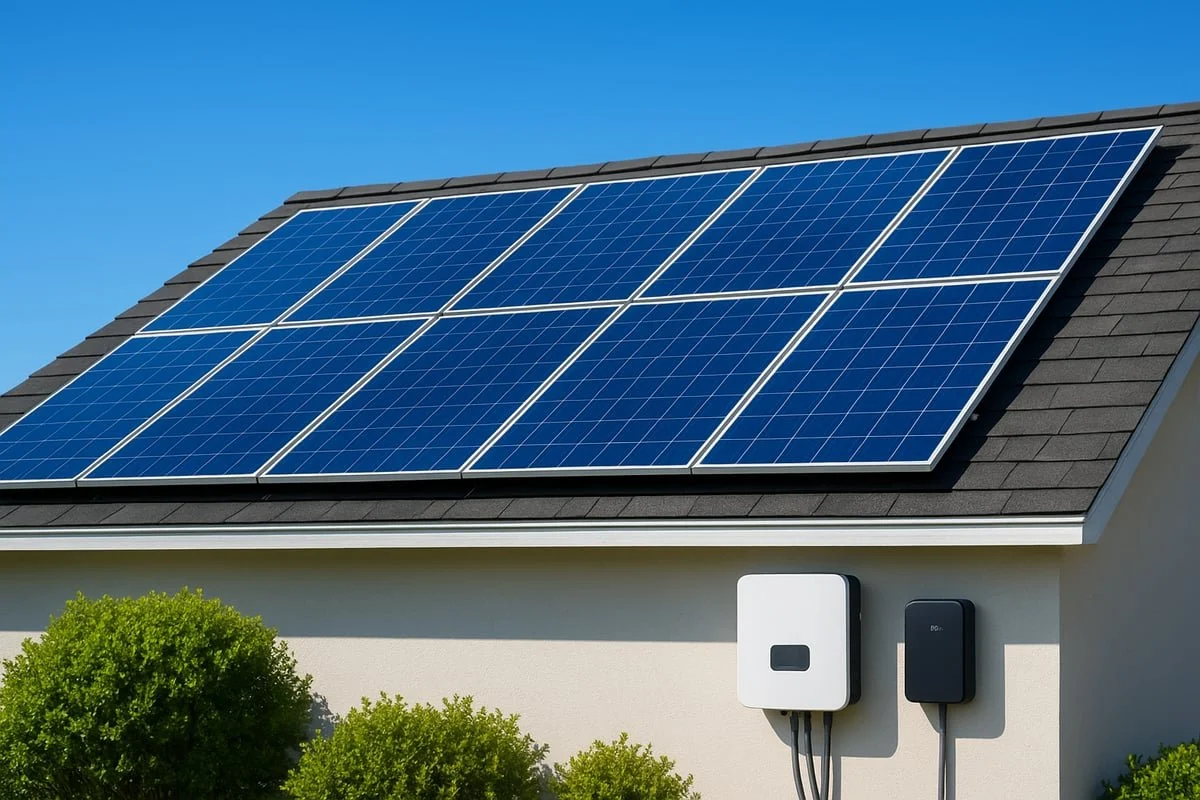
Thinking about a complete home solar power system can feel overwhelming at first. To demystify the process, it helps to break down what these systems are, how they work, and what trends are shaping the industry in 2025. With the right knowledge, you can confidently move forward on your solar journey.
Understanding Home Solar Power Systems
What Is a Home Solar Power System?
A complete home solar power system is an integrated setup designed to generate, store, and supply electricity for your household needs. These systems come in three main types: grid-tied (connected to the utility grid), off-grid (fully independent), and hybrid (combining solar, battery, and backup generator).
Key benefits include lower electricity bills, increased energy independence, and a positive impact on the environment. Most systems last 25 years or more, making them a long-term investment. In fact, according to the Solar Energy Industries Association (SEIA), residential adoption is surging, with millions of U.S. homes now powered by solar.
If you want a deeper dive into planning and installing a system, check out this Whole house solar system guide.
Core Components Explained
Every complete home solar power system relies on several essential parts:
| Component | Types & Options | Example Brands |
|---|---|---|
| Solar Panels | Monocrystalline, polycrystalline, thin-film | SunPower, Q CELLS |
| Inverters | String, microinverters, hybrid | Enphase, SolarEdge |
| Batteries | Lithium-ion, lead-acid, emerging tech | Tesla Powerwall, LG Chem |
| Mounting/Racking | Roof, ground, wind-rated | IronRidge, Unirac |
| Monitoring | Apps, portals, control units | Enphase Enlighten |
For example, Tesla Powerwall batteries store solar energy for use at night, while Enphase microinverters optimize each panel’s output. All these components work together to create a resilient complete home solar power system.
How Solar Power Works in a Home
The heart of a complete home solar power system is the photovoltaic (PV) effect, where sunlight hits solar panels and generates electricity. During the day, your system produces power, which is used in real time or stored in batteries for later.
At night or when demand spikes, stored energy or grid electricity fills the gap. Net metering lets you send excess energy back to the grid, earning credits on your utility bill. In a typical solar-powered home, energy flows from panels to inverters, then to appliances, batteries, or the grid, ensuring seamless operation.
Key Trends in 2025 Solar Technology
In 2025, the complete home solar power system is smarter and more efficient than ever. Panels now exceed 22% efficiency, and battery storage offers greater capacity at lower cost. Smart home integration allows real-time monitoring and automated energy management.
All-in-one solar kits are gaining popularity, making installation faster and more accessible. According to SEIA forecasts, U.S. residential solar installations are expected to reach record highs, confirming the mainstream appeal of solar for homeowners.
Step-by-Step: Planning Your Complete Home Solar Power System
Planning a complete home solar power system in 2025 requires a clear, methodical approach. Each step below builds a foundation for confident and cost-effective solar ownership. Let us walk through the process together.
Step-by-Step: Planning Your Complete Home Solar Power System
Step 1: Assess Your Home’s Solar Potential
The first step in building a complete home solar power system is evaluating your property’s solar potential. Start by examining your roof’s orientation, tilt, and any shading from trees or nearby buildings. South-facing roofs with minimal shading are ideal for maximum solar harvest.
Use online tools like the NREL’s PVWatts Calculator, which leverages satellite imagery to estimate solar output for your address. Local solar resource maps and sun hours data are also valuable, especially in regions with variable weather.
A thorough assessment ensures your complete home solar power system will perform efficiently for decades. Investing time in this step helps avoid costly surprises later.
Step 2: Analyze Your Energy Needs
Understanding your energy consumption is crucial when planning a complete home solar power system. Review your past utility bills to identify daily, monthly, and seasonal usage patterns. Most utility providers display your energy use in kilowatt-hours (kWh).
Calculate your average daily and annual consumption. Consider future needs, such as electric vehicles, heat pumps, or additional appliances. The average U.S. home uses about 10,500 kWh per year according to the EIA.
By accurately analyzing your needs, you ensure your complete home solar power system is sized to meet your household’s current and future demands.
Step 3: Sizing Your Solar System
Proper system sizing is essential for a successful complete home solar power system. Begin by matching your energy needs to the system’s capacity, measured in kilowatts (kW). Take into account panel efficiency, shading, and typical system losses.
A general rule: 1 kW of solar requires about 100 sq. ft. of roof space. For example, a 6 kW system suits a 2,000 sq. ft. home with average consumption. Use sizing calculators to refine your estimate.
A right-sized complete home solar power system maximizes savings and ensures long-term reliability without unnecessary expense or wasted space.
Step 4: Choosing the Right System Type
Selecting the best system type is pivotal for your complete home solar power system. Options include grid-tied, off-grid, and hybrid systems.
| System Type | Pros | Cons |
|---|---|---|
| Grid-tied | Net metering, lower cost | No backup during outages |
| Off-grid | True independence | Higher upfront investment |
| Hybrid | Backup power, flexibility | More complex, higher cost |
Hybrid systems are popular in storm-prone areas like Florida. To explore off-grid options in depth, see this Off-grid solar power blueprint.
The right choice ensures your complete home solar power system aligns with your energy goals and local conditions.
Step 5: Budgeting and Financing Your Project
Budgeting is a core part of any complete home solar power system plan. In 2025, the average installed cost is $2.50 to $3.00 per watt, putting most residential systems between $15,000 and $25,000.
Explore financing: solar loans with competitive rates, leases, and power purchase agreements (PPAs). Each has unique benefits and drawbacks depending on your financial situation.
Careful budgeting and the right financing structure make a complete home solar power system accessible for most homeowners, offering significant long-term savings.
Step 6: Navigating Permits and Regulations
A successful complete home solar power system requires compliance with local regulations. Obtain necessary permits from your municipality, and check for any HOA or zoning restrictions.
Coordinate with your utility for interconnection agreements, allowing safe grid integration. In Florida, permitting can take from a few days to several weeks, depending on jurisdiction.
Completing this step ensures your complete home solar power system is legal, safe, and ready for activation, paving the way for a smooth installation process.
Selecting Quality Equipment and Installers
Selecting the right equipment and professionals is crucial for building a reliable and efficient complete home solar power system. With rapidly evolving technology and a crowded marketplace, making informed choices ensures you maximize performance, savings, and longevity from your investment.
Selecting Quality Equipment and Installers
Comparing Solar Panel Brands and Technologies
The foundation of a complete home solar power system lies in the quality of the solar panels. In 2025, top brands like SunPower, REC, and Q CELLS lead the market with high efficiency ratings, robust 25-year warranties, and low annual degradation rates.
| Brand | Efficiency (%) | Warranty (Years) | Output Guarantee |
|---|---|---|---|
| SunPower | 22.8 | 25 | 92% after 25 yrs |
| REC | 22.3 | 25 | 86% after 25 yrs |
| Q CELLS | 21.6 | 25 | 85% after 25 yrs |
Bifacial and all-black panels are increasingly popular, offering both improved aesthetics and better energy yield for a complete home solar power system. For example, SunPower’s panels maintain 92% of output after 25 years, ensuring long-term reliability.
Inverter and Battery Selection
No complete home solar power system is finished without reliable inverters and batteries. Inverters convert the DC electricity from your panels into usable AC power. Leading brands like Enphase, SolarEdge, and SMA offer advanced options, including string inverters, microinverters, and hybrid inverters for diverse needs.
Battery storage, such as the Tesla Powerwall, LG Chem, or Enphase IQ, allows you to store excess solar energy for use during outages or at night. AC-coupled and DC-coupled systems each have advantages, with microinverters like Enphase known for exceptional reliability and granular performance monitoring. Choosing the best combination ensures your complete home solar power system performs optimally in any scenario.
Evaluating Mounting and Racking Systems
Mounting and racking systems are the backbone of a secure and long-lasting complete home solar power system. Homeowners can choose between roof-mounted and ground-mounted solutions, each with unique benefits. For Florida residents, wind and hurricane-rated racking, such as IronRidge XR1000, is essential for safety and code compliance.
Aesthetic considerations and structural integrity must also be weighed carefully. Easy-to-access racking supports safer and more effective cleaning, which is vital for maintaining panel performance. For more insight on keeping your system efficient, see these Maximizing solar efficiency tips. Well-chosen racking extends the lifespan of your complete home solar power system.
Choosing a Reputable Installer
The success of your complete home solar power system depends on the installer’s expertise. Look for companies with NABCEP-certified professionals, as this signals advanced training and commitment to industry standards. Always read reviews, request multiple quotes, and check references to ensure transparency.
During the bidding process, watch for red flags like vague contracts, lack of warranty details, or pressure tactics. A trustworthy installer will conduct on-site assessments and offer clear timelines, ensuring your complete home solar power system is tailored to your property and energy needs.
KingAire: Florida’s Solar and Backup Power Experts
KingAire stands out as a trusted partner for those installing a complete home solar power system in Florida. Their team specializes in designing, installing, and maintaining solar solutions that fit local climates and energy demands.
KingAire integrates solar panels with battery storage and backup generators, delivering true energy independence. Their focus on surge and lightning protection ensures your investment is safe from Florida’s frequent storms. As a licensed, BBB-accredited company with a presence in key cities, KingAire offers free estimates and custom solutions for both residential and commercial clients, making them a top choice for a complete home solar power system.
Installation Process: What to Expect
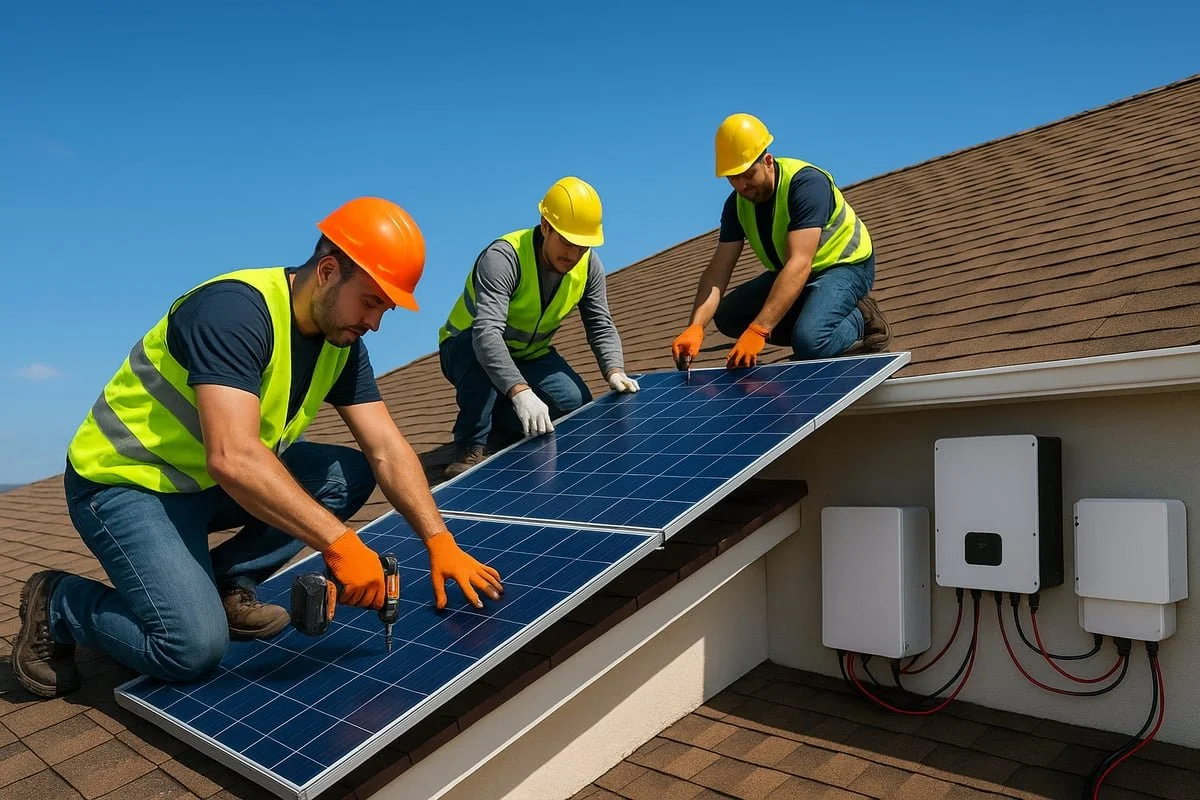
Embarking on the installation of a complete home solar power system is an exciting milestone for any homeowner. Understanding each phase of the process helps set clear expectations, ensures a smooth experience, and maximizes the long-term benefits of your solar investment.
Installation Process: What to Expect
Pre-Installation Preparation
Before any equipment arrives, the groundwork for your complete home solar power system is vital. This phase begins with a thorough site survey to assess your roof's structural integrity and orientation. Solar professionals finalize the system design, matching panel layouts to maximize sun exposure and aesthetics.
A detailed checklist is followed:
Roof inspection and any required upgrades
Confirmation of mounting and racking compatibility
Submission of permit applications to local authorities
Coordination with your utility for interconnection
Expect the pre-installation phase to take several weeks, depending on permit processing times. A well-prepared site ensures your complete home solar power system is installed efficiently and safely.
Installation Day: Step-by-Step
On installation day, your property transforms into a hub of activity. The complete home solar power system components—panels, inverters, racking, and batteries—are delivered and staged. Safety protocols are observed throughout the process.
The installation sequence typically includes:
Mounting racking systems to your roof or ground area
Securing solar panels and connecting electrical wiring
Installing inverters and integrating battery storage
Setting up monitoring and control systems
Most residential installations are completed within one to three days. Clear communication with your installer ensures you understand each step as your complete home solar power system comes to life.
Inspection, Commissioning, and Utility Connection
After installation, your complete home solar power system must be inspected by local authorities to verify compliance with building codes and safety standards. Inspectors examine electrical connections, roof penetrations, and overall workmanship. Once approved, your utility company will schedule a meter swap and interconnection, allowing your system to feed energy to the grid.
At this stage, you may encounter processes like net metering, which lets you earn credits for excess energy produced. For a deeper understanding of how this impacts your system's performance and savings, read Understanding net metering in Florida.
Commissioning involves activating and testing the system to ensure every component functions as designed. This critical step confirms your complete home solar power system is ready for daily operation.
System Activation and First Use
With inspections complete, your installer activates the complete home solar power system and walks you through its operation. Monitoring apps or web portals are configured, enabling real-time tracking of energy production and usage.
Initial system checks include:
Confirming panel output matches expectations
Verifying inverter and battery status
Reviewing monitoring dashboards and alert settings
Homeowners receive training on interpreting data, performing basic maintenance, and accessing support resources. This hands-on orientation ensures you are confident in managing your complete home solar power system from day one.
Troubleshooting Common Installation Issues
Even with expert installation, minor issues can arise in a complete home solar power system. The most common concerns include:
Roof leaks from improper sealing
Wiring or connection errors
Inverter startup faults or software glitches
Reputable installers address these quickly, often under warranty. It's essential to document any irregularities and contact your installer for prompt service. Most post-installation calls are resolved with minimal disruption, ensuring your complete home solar power system delivers reliable energy for years to come.
Costs, Incentives, and Savings in 2025
Understanding the costs, incentives, and long-term savings of a complete home solar power system in 2025 is essential for making an informed investment. With the market evolving rapidly, homeowners can now access more affordable and efficient solar solutions than ever before. Let us break down what you need to know to maximize your return.
Upfront and Ongoing Costs
The upfront price of a complete home solar power system in 2025 typically ranges from $15,000 to $25,000 for most U.S. homes, reflecting equipment, labor, permitting, and inspections. Prices average $2.50 to $3.00 per watt installed, thanks to continued technology improvements and market competition.
| Cost Component | Typical Range (2025) |
|---|---|
| Equipment | $8,000–$15,000 |
| Installation Labor | $4,000–$7,000 |
| Permitting/Inspection | $1,000–$2,000 |
Ongoing costs are minor, often limited to periodic cleaning and routine maintenance. For most systems, payback occurs within 7 to 10 years, after which your complete home solar power system delivers free electricity for decades.
Federal and State Incentives
In 2025, homeowners who install a complete home solar power system can benefit from substantial incentives. The Federal Solar Investment Tax Credit (ITC) lets you deduct 30% of the system cost from your federal taxes. Florida residents may also qualify for property tax exemptions and local rebates, further lowering net costs.
Federal ITC: 30% of total system cost
FL Property Tax Exemption: No increase in assessed home value
Local Rebates: Vary by county or city
These incentives can reduce your upfront investment by thousands. For the latest details on incentive programs and how they affect solar adoption, consult the Solar Market Insight Report – SEIA.
Net Metering and Utility Policies
Net metering remains a key advantage of a complete home solar power system in Florida. This policy allows you to send excess electricity to the grid during sunny hours and receive credits, which offset your nighttime or cloudy-day usage. Most utilities in Florida offer net metering, though buyback rates and program caps can change, so always check with your provider.
Your meter spins backward when exporting solar energy
Credits roll over monthly, reducing your bill
Some utilities cap total solar participation
As of 2025, net metering continues to support strong solar savings, but staying informed of policy changes is critical for maximizing your system’s value.
Calculating Your Long-Term Savings
A complete home solar power system not only lowers your monthly bills but also protects you from rising utility rates. Over 25 years, a typical Florida household can save $30,000 or more, depending on system size and utility rate increases.
To estimate your savings:
Calculate annual energy production in kWh
Multiply by your utility’s electricity rate
Subtract any remaining grid costs
Millions of Americans are already realizing these benefits, as highlighted in 5 Million Solar Installations: Powering American Communities. Solar adoption is driving significant financial and environmental gains nationwide.
Solar Financing Options
Financing a complete home solar power system in 2025 is easier than ever, with multiple options to suit different budgets:
Solar Loans: Fixed monthly payments, system ownership, and eligibility for incentives
Solar Leases: Lower upfront cost, but the provider owns the system
Power Purchase Agreements (PPAs): Pay for the power generated, not the equipment
Each model has its pros and cons. Loans usually offer the greatest long-term savings, while leases and PPAs can be attractive for those seeking minimal initial investment. Compare terms carefully to ensure your financing supports your energy goals.
Maintaining and Maximizing Your Solar System
Keeping your complete home solar power system in optimal condition ensures you enjoy maximum savings, efficiency, and peace of mind for years to come. Proactive care and smart upgrades can help your solar investment deliver reliable clean energy, regardless of changing weather or evolving household needs.
Routine Maintenance and Cleaning
Regular maintenance is crucial for the longevity and performance of your complete home solar power system. In Florida’s climate, pollen, dust, and bird droppings can accumulate on panels, reducing output by up to 20 percent if left unaddressed.
Cleaning your panels every three to six months is generally recommended, especially after heavy pollen seasons or storms. Inspect for debris, shading from overgrown trees, and signs of physical wear. Use a soft brush or hose—never harsh chemicals—to prevent damage. Schedule professional inspections annually to ensure mounting hardware and electrical connections remain secure.
By keeping your complete home solar power system clean and clear, you protect your return on investment and maintain optimal energy generation.
Monitoring System Performance
Monitoring the real-time performance of your complete home solar power system is now easier than ever. Most modern systems include dedicated apps or online portals, allowing you to track production, consumption, and energy export to the grid.
Set up performance alerts and benchmarks to notify you of unexpected drops in output. Comparing your current generation against seasonal averages can help diagnose issues early. Use manufacturer apps or reputable third-party platforms for detailed insights. For example, if you notice a sudden decrease in daily production, the monitoring data can help pinpoint whether the cause is shading, inverter faults, or dirty panels.
Consistent monitoring ensures your complete home solar power system continues to deliver on its promise of lower energy bills.
Troubleshooting and Repairs
Even a well-maintained complete home solar power system may occasionally experience technical issues. Common problems include inverter faults, battery degradation, or wiring concerns. If you detect a sudden drop in output, consult your monitoring system for error codes or alerts.
Most reputable installers offer warranties covering parts and labor for 10 to 25 years. Contact your installer promptly for service calls, especially if your system is still under warranty. Document all issues and maintenance for future reference. Quick troubleshooting and timely repairs minimize downtime and protect your investment.
A reliable complete home solar power system, paired with responsive support, ensures consistent performance and long-term durability.
Upgrades and Future-Proofing
As solar technology rapidly evolves, upgrading your complete home solar power system can help you adapt to growing energy demands and new innovations. Consider expanding your system with additional panels or battery storage, especially if you add electric vehicles or smart appliances.
Integrating your system with smart home controls and EV charging stations increases convenience and efficiency. Choosing equipment that supports modular upgrades makes it easier to stay ahead of technological changes. The solar industry is expanding at an unprecedented pace, with solar as the nation's fastest growing electricity source, expanding by 30% in 2025, so future-proofing is more important than ever.
With strategic upgrades, your complete home solar power system will remain a smart, resilient investment for decades.
Now that you have a clear understanding of what goes into planning a complete home solar power system in 2025, you are ready to take the next step toward true energy independence. Whether you want to reduce your monthly bills, safeguard against Florida’s unpredictable weather, or simply make a smart investment for your future, having a trusted local partner makes all the difference. If you are curious about what a custom solar solution could look like for your home, you can Get a Free Quote from KingAire and receive expert guidance tailored to your needs.