
Span Panels Guide 2025: Your Step-by-Step Handbook
Is your home’s energy management ready for 2025? As technology and energy needs evolve, homeowners are seeking ways to gain smarter, safer, and more reliable control over their power. Traditional breaker boxes were built for a different era, but now, innovative solutions like span panels are changing the landscape.
This guide will demystify span panels, explaining how they work compared to conventional power boxes. You will discover their unique features, integration with smart homes and solar, cost considerations, and what makes them a forward-thinking choice.
Ready to make informed decisions about your home’s energy future? Read on for a step-by-step breakdown that empowers you to take control.
Understanding Span Panels: What Sets Them Apart?
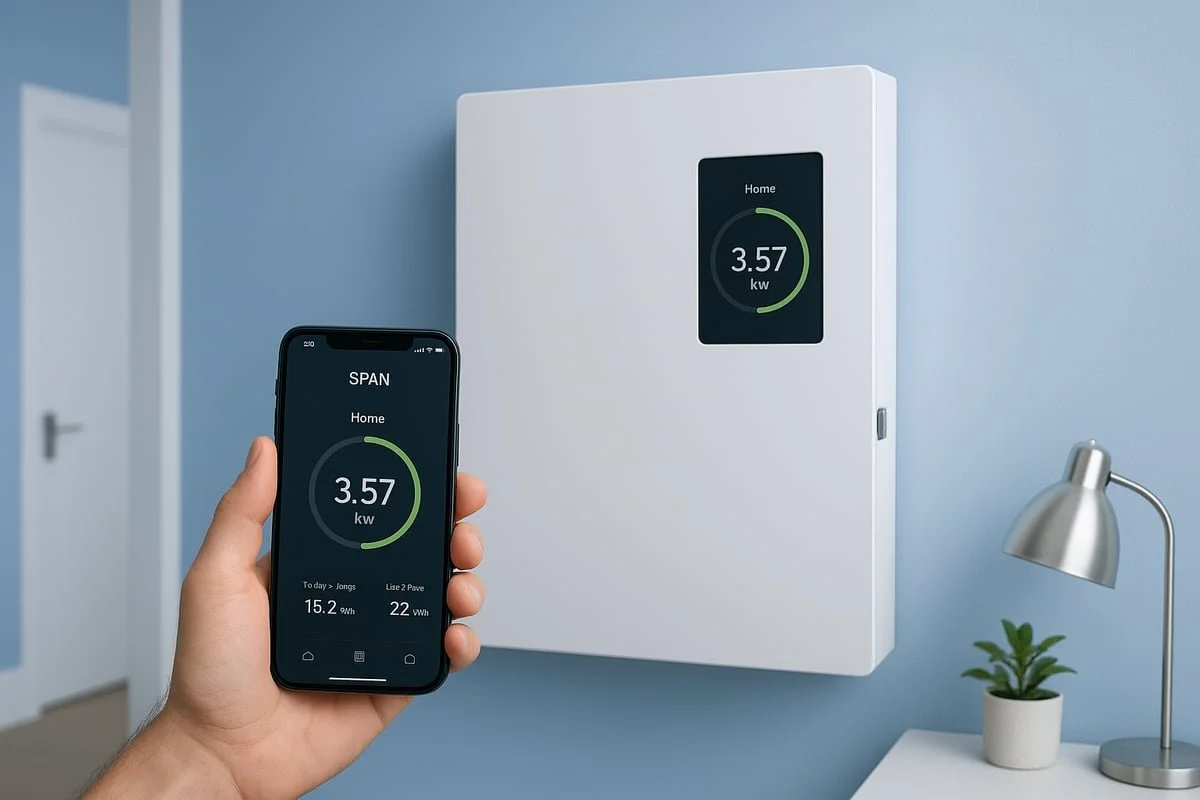
A new era of home energy management is rapidly unfolding. Homeowners are searching for smarter ways to control, monitor, and optimize their power use. Span panels are at the center of this transformation, offering a leap forward in functionality compared to the traditional breaker box.
Understanding Span Panels: What Sets Them Apart?
The Evolution of Home Electrical Panels
The classic breaker box has been a fixture in homes for decades. Its basic function, to distribute electricity and protect circuits, has seen little change over the years. As homes became filled with electronics and smart devices, the limitations of these traditional panels became clear.
Modern living demands more than just manual switches. Span panels step in to bridge the gap between outdated technology and today’s connected lifestyles. The rise of smart home integration highlights why a new approach is needed.
Core Features of Span Panels
Span panels bring a host of advanced features that set them apart from legacy systems. Homeowners gain digital monitoring and intuitive app-based control, making it easier to manage every circuit.
Key features include:
Individual circuit management for granular control
Real-time analytics on energy use
Remote power cycling for appliances
These capabilities enable users to react instantly to issues or changes in their energy needs. For a deeper exploration of these innovations, the Span Smart Panel Review offers detailed insights into how span panels transform home energy management.
Span Panel vs. Traditional Electrical Panel
Comparing span panels with traditional panels reveals key differences:
| Feature | Traditional Panel | Span Panels |
|---|---|---|
| Manual Control | Yes | Yes & App-Based |
| Circuit Monitoring | No | Real-Time |
| Backup Power Management | Limited | Optimized, Smart |
| Data Analytics | No | Yes |
| Remote Access | No | Yes |
With span panels, users can prioritize essential circuits during outages and optimize backup power, which is not possible with conventional boxes.
Safety, Reliability, and Compliance
Safety is foundational in any electrical system. Span panels provide built-in surge protection and continuous diagnostics, ensuring that electrical issues are detected early.
They comply with the latest National Electrical Code (NEC) standards, offering peace of mind. Span panels deliver automated alerts for electrical faults, keeping homeowners informed and secure.
User Experience and Accessibility
Span panels elevate the user experience through a mobile app that offers customizable settings for every household. Both tech-savvy individuals and those less familiar with smart technology can easily navigate the interface.
For example, during a hurricane, a family can remotely manage their energy use and receive instant alerts. This level of accessibility distinguishes span panels as a leading solution for modern homes.
How Span Panels Work: Step-by-Step System Breakdown
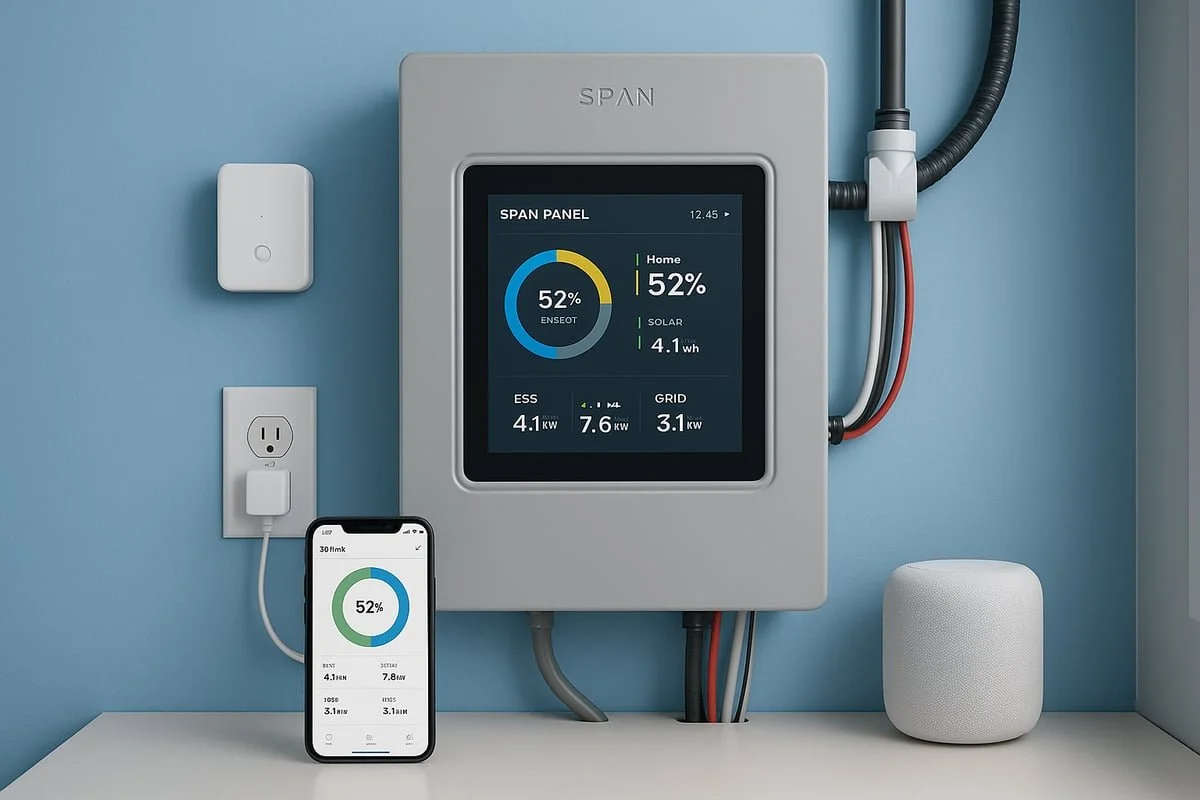
Understanding how span panels operate is crucial for homeowners weighing the switch from a traditional power box. Unlike conventional panels that simply route electricity, span panels act as intelligent hubs, constantly managing, analyzing, and optimizing your home’s entire energy flow.
How Span Panels Work: Step-by-Step System Breakdown
Step 1: Power Input and Distribution
Span panels are designed to accept power from multiple sources, including the grid, solar panels, and backup batteries. Unlike a standard power box, which simply divides incoming electricity among circuits, span panels intelligently manage the flow based on the source and current demand.
For instance, when grid power is available, span panels seamlessly distribute it throughout your home. If there’s a power outage, the system can automatically switch to backup batteries or generator input, ensuring uninterrupted power to essential circuits. This dynamic management of power sources is a key advantage over traditional panels.
Step 2: Circuit Identification and Control
One of the most transformative features of span panels is automated circuit mapping. Upon setup, the system identifies each circuit in your home and displays them in an easy-to-use app. Homeowners can assign priorities, marking which circuits are essential, such as refrigerators or medical devices, and which are non-essential, like guest room outlets.
Through the app, you can turn specific circuits on or off remotely. This gives you the power to control your home’s energy use with a level of precision that traditional power boxes cannot match. Prioritizing circuits ensures that in an emergency, only vital loads remain powered, maximizing backup resources.
Step 3: Real-Time Monitoring and Data Analytics
Span panels provide live, circuit-level energy monitoring, a significant leap from the basic usage meters found on old panels. The system tracks how much power each appliance or area consumes, presenting data in real time and storing historical trends.
This analytic capability helps you spot “energy hogs” in your home. For example, if your HVAC system uses more power than expected, the app will highlight this, allowing you to adjust usage or schedule maintenance. With span panels, you gain actionable insights, not just raw numbers.
Step 4: Smart Load Management
Smart load management is another area where span panels shine. The system can automatically shed non-essential loads during outages or periods of high demand, protecting your backup power supply. You can also set schedules and presets for daily routines, such as reducing power to certain circuits during work hours.
Unlike traditional power boxes, span panels can make these adjustments without manual intervention. This automated response ensures your most important devices stay powered longer, especially during emergencies or peak utility rates.
Step 5: Integration with Smart Home Systems
Span panels are designed for seamless compatibility with major smart home platforms like Alexa and Google Home. Through these integrations, you can use voice commands to manage circuits, monitor energy status, or trigger automation routines.
Imagine saying, “Turn off all non-essential circuits,” and having your span panels respond instantly. This level of integration puts advanced energy management at your fingertips, unlike a conventional panel that requires manual switches and lacks connectivity.
Step 6: Solar and Battery Storage Optimization
One of the standout advantages of span panels is their ability to optimize solar and battery resources. The system intelligently switches between grid, solar, and stored battery power based on real-time needs and weather conditions. During an outage, span panels prioritize solar and battery for essential circuits, extending backup duration.
For homeowners interested in maximizing solar self-consumption, span panels coordinate energy flows to reduce reliance on the grid. For a deeper dive into this topic, see our Solar and Battery Integration Guide, which explains best practices for combining these technologies.
Key Benefits of Span Panels in 2025
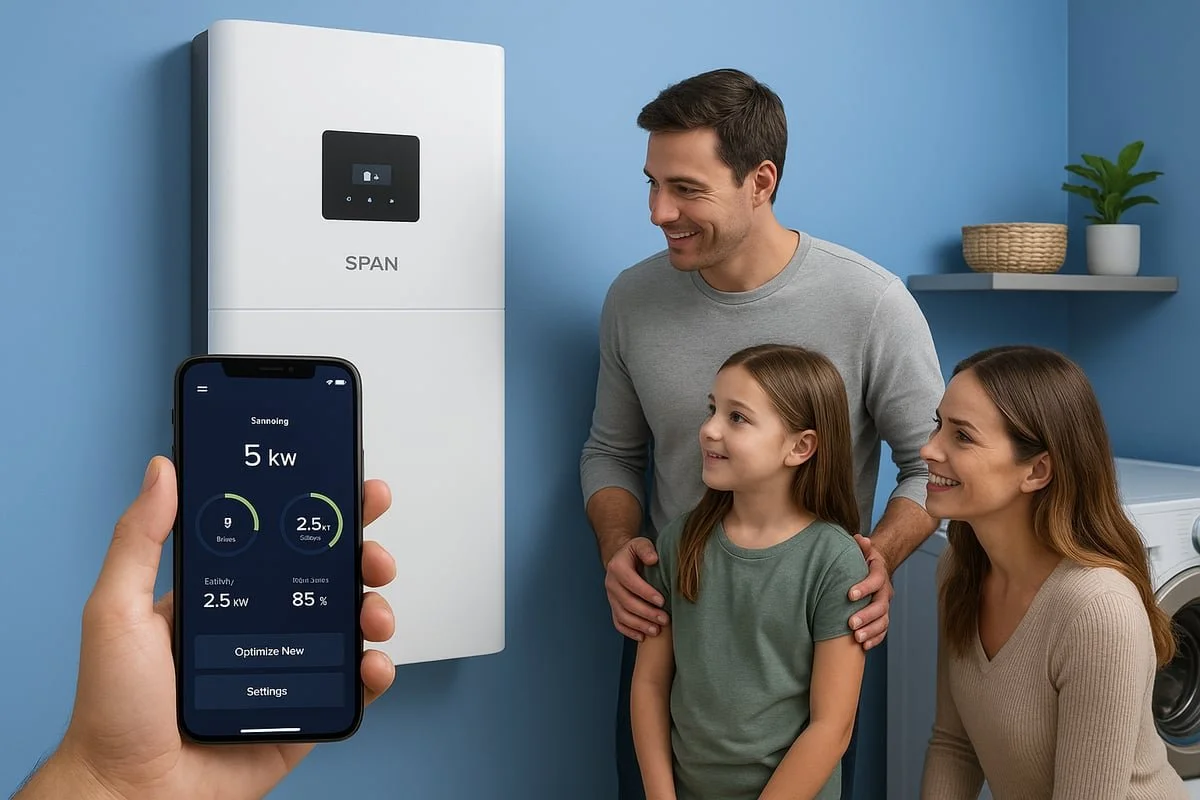
Modern homeowners are seeking smarter, safer, and more efficient ways to manage their energy. In 2025, span panels are emerging as a leading solution, offering a suite of benefits that outshine traditional power boxes. Let us explore how these intelligent systems transform energy use, safety, and sustainability in the modern home.
Key Benefits of Span Panels in 2025
Enhanced Energy Efficiency and Savings
One of the most attractive advantages of span panels is their ability to provide real-time energy analytics and actionable insights. Homeowners can monitor each circuit, identify energy-hungry appliances, and make targeted adjustments to reduce consumption. For example, a family might discover their pool pump is drawing excessive power during peak hours, allowing them to reschedule its use and lower bills.
With digital controls, span panels let you set priorities and automate energy-saving schedules. According to Span Electric Panel Explained: Smarter Power, Safer Homes, Lower Bills, these features can lead to significant long-term savings compared to conventional panels. The result is a home that runs smarter, not harder.
Superior Backup Power Management
Traditional power boxes offer limited options when backup power is needed, often relying on manual transfer switches and guesswork. In contrast, span panels intelligently allocate battery or generator resources to the circuits you choose. This means essentials like refrigeration, medical devices, and internet stay powered longer during an outage.
By allowing homeowners to control backup priorities through a user-friendly app, span panels ensure you get the most from your available energy. Imagine keeping your lights, Wi-Fi, and security system running smoothly while minimizing unnecessary loads.
Future-Proofing Your Home
As energy technology evolves, span panels are designed to adapt. Unlike static breaker boxes, these smart systems are compatible with new devices, electric vehicles, and emerging storage solutions. This flexibility makes them a wise investment for anyone planning to upgrade their home in the coming years.
For instance, if you want to add an EV charger or integrate with a new solar battery, span panels can accommodate these changes with minimal disruption. Your home stays ready for tomorrow’s innovations.
Improved Safety and Peace of Mind
Safety is a top concern for any homeowner. Span panels offer advanced diagnostics, built-in surge protection, and proactive alerts for electrical faults. This level of oversight is simply not possible with traditional power boxes.
Picture receiving a notification about a potential wiring issue before it becomes a hazard. With remote troubleshooting, many problems can be resolved quickly, reducing the risk of electrical fires and costly repairs. This peace of mind is invaluable, especially in areas prone to severe weather.
Sustainability and Eco-Friendly Living
Span panels help homeowners make the most of renewable energy sources. By seamlessly integrating with solar panels and batteries, they maximize self-consumption and reduce reliance on the grid. This not only lowers your carbon footprint but also supports a more resilient and sustainable lifestyle.
By optimizing when and how energy is used, span panels empower families to live greener without sacrificing comfort or convenience. As more households embrace eco-friendly living, these smart panels are leading the way.
Span Panels and the Smart Home Ecosystem
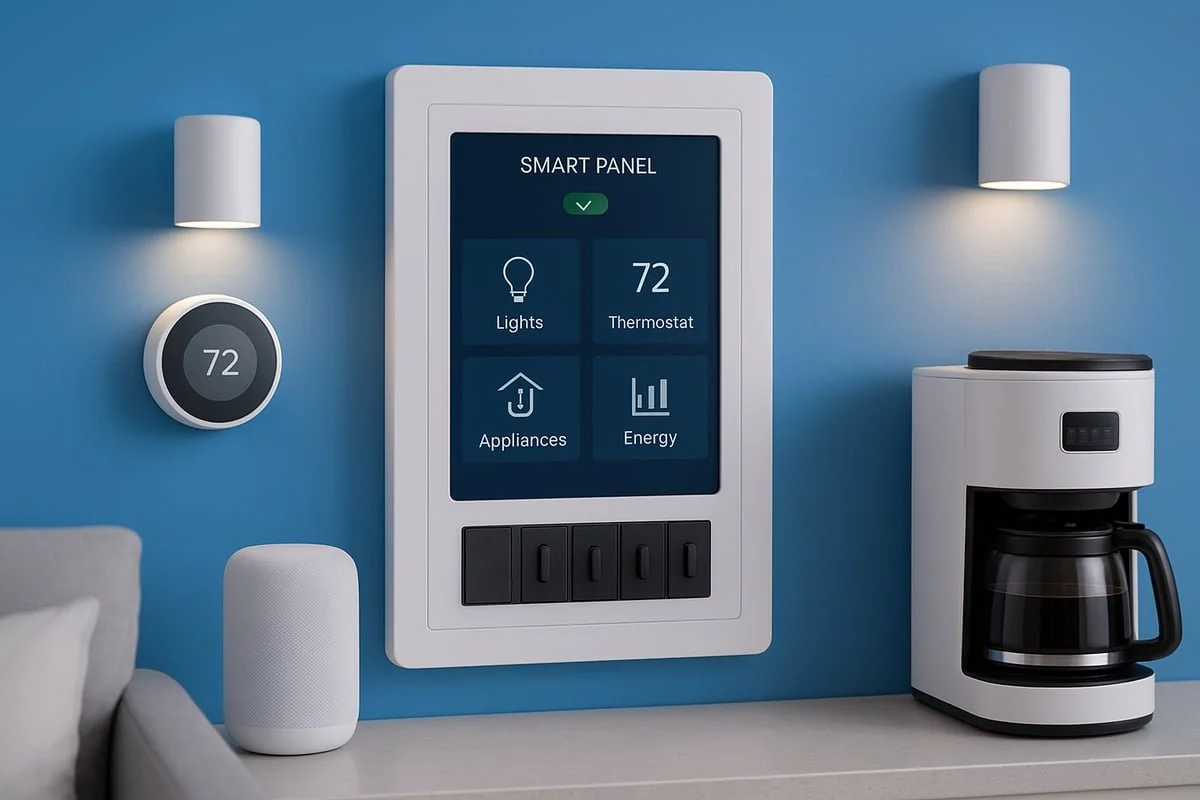
Modern homes are rapidly evolving, and energy management must keep pace. Span panels are designed to bridge the gap between traditional power boxes and the connected smart home. By offering advanced monitoring, remote control, and seamless integration, span panels provide homeowners with unmatched visibility and control over their energy use.
Span Panels and the Smart Home Ecosystem
Seamless Integration with Home Automation
Span panels are built to work in harmony with leading smart home systems. They connect effortlessly to platforms like Alexa and Google Home, allowing users to automate energy routines based on occupancy, time of day, or even weather events.
Imagine programming your lighting, HVAC, and appliances to adjust automatically when you leave the house. With span panels, you can prioritize critical circuits, like medical devices or home offices, while reducing power to non-essentials. This level of integration means your home adapts in real time, optimizing comfort and efficiency.
For families, this translates to a unified experience. All smart devices, from thermostats to security cameras, communicate seamlessly, guided by the central intelligence of span panels.
Data Privacy and Cybersecurity
As span panels collect and analyze detailed energy data, privacy and security become critical. These smart systems employ advanced encryption standards to protect user information, ensuring that only authorized users can access system controls and data.
Manufacturers of span panels recognize the importance of safeguarding against cyber threats. They routinely audit software for vulnerabilities and incorporate multi-factor authentication for app access. This proactive approach addresses concerns raised in competitor reviews and reassures homeowners that their personal and energy data remain secure.
By prioritizing cybersecurity, span panels set a new standard for smart home safety, making them a reliable choice for tech-aware consumers.
User Customization and Profiles
One of the standout features of span panels is the ability to create personalized energy profiles. Homeowners can set schedules for different scenarios, such as "vacation mode" to minimize energy use or "work-from-home mode" to ensure comfort and productivity.
Each profile can specify which circuits remain active and which can be powered down. For example, while on vacation, you might keep the refrigerator and security system running but turn off entertainment and office equipment. This level of customization empowers users to align energy usage with their lifestyles, enhancing both savings and convenience.
Span panels make it easy for every family member to interact with energy controls, regardless of technical skill.
Remote Access and Control
With span panels, managing your home's energy is no longer bound by location. The mobile app allows users to monitor and control circuits from anywhere in the world.
Forgot to turn off the iron before leaving for a trip? Simply open the app and power down the relevant circuit. During unexpected events, such as storms or outages, you can remotely re-prioritize circuits to keep essentials running. This flexibility provides peace of mind and reduces the risk of wasted energy or potential hazards.
Remote access also means that service issues can be diagnosed and addressed quickly, often without the need for a technician visit.
Expanding Capabilities with Third-Party Apps
Span panels are designed for the future, supporting open APIs and third-party integrations. This means developers can create partner apps that extend the system’s functionality, from advanced analytics to specialized automation routines.
For homeowners, this opens the door to a growing ecosystem of energy management tools. As highlighted in the Span Smart Electrical Panel Review, span panels excel in adapting to new smart home platforms and responding to evolving user needs.
By embracing third-party innovation, span panels ensure that your home remains at the forefront of energy technology, ready for whatever comes next.
Cost, Installation, and Maintenance Considerations
When considering span panels for your home, understanding cost, installation, and ongoing maintenance is crucial. Unlike traditional power boxes, span panels deliver much more than basic electrical distribution, offering long-term savings and advanced features. Let us break down what to expect in each area so that you can make an informed decision.
Upfront Costs and Incentives
The investment in span panels typically ranges from $4,000 to $7,500, depending on your home's size and electrical complexity. While this is higher than most traditional breaker boxes, the value comes from features like real-time monitoring, smart circuit management, and future-ready technology.
Homeowners should explore available rebates and tax credits for 2025, especially those tied to energy efficiency and solar integration. Many utility companies and state programs offer incentives for upgrading to advanced electrical systems. For a deeper understanding of how span panels represent the next step in home energy management, see SPAN Panels 101: The Future of Home Electrical Systems.
Installation Process and Timeline
Unlike a basic panel swap, installing span panels may require upgrading wiring or expanding service to accommodate smart features. Professional installation ensures compliance with the latest codes and proper integration with your home’s existing infrastructure.
The typical installation takes one to two days, depending on the complexity of your setup. Experienced electricians will coordinate with your utility provider to minimize downtime. Compared to a traditional power box, span panels streamline connection to solar, battery storage, and smart devices, simplifying future upgrades.
Ongoing Maintenance and Support
One of the standout benefits of span panels is their low-maintenance design. Software updates and diagnostics are managed remotely, reducing the need for in-person service calls. The system’s built-in monitoring can detect issues early, often before you notice them.
Homeowners can access dedicated customer support and online resources for troubleshooting. If a problem does arise, many issues can be resolved through remote diagnostics, saving time and hassle compared to the manual checks required for traditional panels.
Long-Term Value and ROI
Span panels offer significant long-term savings by optimizing energy use and supporting backup systems more efficiently than standard panels. Intelligent load management and usage analytics help reduce monthly bills and extend the lifespan of backup batteries or generators.
A case study comparing span panels to a standard power box shows that, over a 5 to 10 year period, the investment pays off through lower energy costs and fewer emergency repairs. For those evaluating backup strategies, learn more about Backup Power vs. Portable Generators to see how span panels fit into a resilient home setup.
| Feature | Traditional Panel | Span Panels |
|---|---|---|
| Upfront Cost | $1,000–$2,500 | $4,000–$7,500 |
| Smart Monitoring | No | Yes |
| Remote Diagnostics | No | Yes |
| Integration w/ Solar | Limited | Seamless |
| Upgrade Path | Minimal | Future-ready |
Potential Challenges and Limitations
Despite their benefits, span panels may not be compatible with every home. Older properties might require extensive electrical upgrades, increasing installation time and cost. Large or multi-unit dwellings can face additional complexity due to higher circuit counts.
It is important to assess whether your current infrastructure can support span panels without major modifications. Consulting with a licensed electrician and reviewing manufacturer guidelines will help you avoid unexpected challenges. Always verify local utility and code requirements before proceeding, especially if integrating with solar or backup systems.
What to Consider Before Upgrading to a Span Panel
Upgrading to span panels is a strategic investment, but thoughtful preparation is essential before making the switch. Unlike traditional power boxes, span panels offer advanced features that require a deeper analysis of your home's needs and infrastructure. Let us break down the core factors to evaluate before upgrading.
Assessing Home Energy Needs
The first step is to understand your household's current and future energy demands. Span panels stand out by providing granular control over every circuit, making them ideal if your needs are evolving. Are you planning to add an electric vehicle charger, expand your home office, or install new appliances? Consider these future upgrades, as span panels can easily accommodate increased loads and changing priorities.
To make an informed decision, list your essential and non-essential circuits. For example, a homeowner preparing for remote work and EV charging can use span panels to prioritize these loads during power events. This level of control is not possible with a standard power box, which treats circuits equally and lacks data-driven insights.
Compatibility with Existing Systems
Before upgrading, check how span panels will integrate with your current solar, battery, or generator systems. Compatibility ensures you maximize both your investment and the panels' advanced features. Use a checklist to review your setup:
Do you have solar panels, battery storage, or a backup generator?
Are your current systems using industry-standard communication protocols?
Will the new panel require additional wiring or upgrades?
If you are interested in energy independence, span panels are a strong foundation. For a deeper dive into off-grid readiness and integration strategies, see the Off-Grid Solar Power Blueprint. Evaluating compatibility upfront prevents costly surprises during installation and ensures seamless performance.
Regulatory and Utility Considerations
Span panels meet the latest safety and code requirements, but local regulations and utility policies vary. Before upgrading, research your jurisdiction's permitting process, inspection standards, and any utility company requirements for advanced electrical panels. Some regions, such as Florida, have specific rules for connecting intelligent panels to grid-tied solar systems.
Consult your local building department and utility provider early in the process. They can clarify what is needed for approval and whether any incentives or rebates are available. Navigating these requirements ensures your span panels are installed legally and safely, avoiding headaches down the line.
As you think about upgrading your home’s energy management in 2025, it’s clear that Span Panels offer a smarter, more reliable way to stay in control—especially when paired with solar and backup solutions. If you’re ready to take the next step toward energy independence and peace of mind, let’s make it easy. You can find out exactly what a Span Panel upgrade would look like for your home or business here in Florida. For a personalized plan and expert guidance, Get a Free Quote and discover how KingAire can help you build a future-ready, resilient energy system.