
Power Solutions Solar Guide: Your Path to Clean Energy 2026
Around the world, the race toward clean energy has never been more urgent. As 2026 approaches, organizations and individuals are seeking reliable ways to achieve sustainability and reduce their environmental impact. This comprehensive guide reveals how power solutions solar empowers you to take control of your energy future.
You will gain expert insights into the fundamentals of solar power, discover its economic and environmental benefits, explore diverse installation options, and learn the step-by-step process to go solar. Ready to unlock energy independence? Let this guide lead you on your solar journey.
Understanding Solar Power and Clean Energy
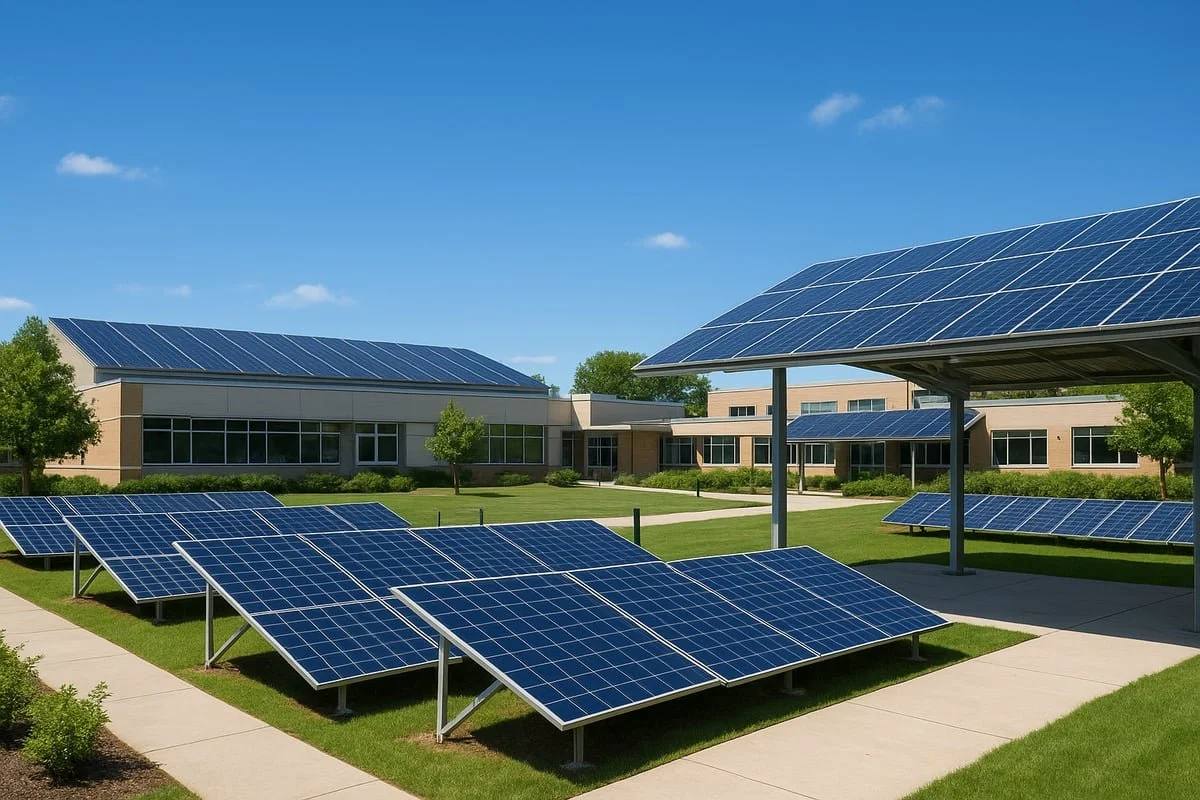
Solar power is at the heart of the clean energy transformation, driving global progress toward sustainability in 2026. With the rise of power solutions solar, individuals and organizations now have practical pathways to reduce their reliance on traditional fossil fuels. This section explores the essentials of solar energy, its economic and environmental impacts, cutting-edge technologies, and common barriers to adoption.
Understanding Solar Power and Clean Energy
The Basics of Solar Energy
Solar energy is the conversion of sunlight into usable electricity or heat, forming the backbone of power solutions solar strategies worldwide. Solar photovoltaic (PV) systems capture sunlight and directly convert it to electricity, while solar thermal systems use solar heat for water or air heating.
The past decade has seen significant declines in manufacturing and installation costs, making solar more accessible than ever. Modern systems typically come with 25-year power production warranties and can last over 50 years with proper maintenance. These factors make solar a key component of sustainable energy planning for 2026.
Solar’s reliability and longevity position it as a smart investment for anyone seeking clean, long-term energy solutions.
The Environmental and Economic Impact
Implementing power solutions solar dramatically reduces carbon footprints and greenhouse gas emissions. Solar-generated electricity produces no emissions during operation, helping both individuals and organizations move closer to net zero goals.
Compared to conventional energy sources, solar offers lower lifetime costs, especially as utility rates continue to rise. Over a system’s lifespan, users can save millions on utility bills. Many projects even create positive community impacts, like pollinator-friendly fields beneath solar arrays, which support local ecosystems.
The economic and environmental benefits make solar a compelling choice for sustainable progress.
Key Solar Technologies for 2026
Advancements in power solutions solar are accelerating rapidly. The latest solar PV panels deliver higher efficiency and durability, while modern inverters improve system reliability and safety. Battery storage integration enables greater energy independence by storing excess power for later use.
Smart monitoring tools allow real-time performance tracking, and dual-axis tracking systems maximize energy yield by following the sun’s movement. New trends in solar panel recycling and sustainable manufacturing further reduce environmental impact. For the latest research and data on these advancements, the National Renewable Energy Laboratory (NREL) is a trusted resource.
These innovations ensure solar remains at the forefront of clean energy strategies in 2026.
Barriers and Myths About Solar Adoption
Despite the growth of power solutions solar, misconceptions persist. Some believe solar is too expensive or unreliable. In truth, costs have plummeted, and modern systems require minimal maintenance. Solar works effectively in a variety of climates, not just sunny regions.
Regulatory and interconnection processes can be complex, but new financing options and incentives are making solar more accessible than ever. Residential, commercial, and municipal users now find it easier to adopt solar thanks to flexible solutions and expert guidance.
Addressing these myths clears the path for broader solar adoption and greater energy independence.
Types of Solar Power Solutions: Finding the Right Fit
Choosing the ideal power solutions solar system means understanding the unique features of each installation type. The right fit balances your property, goals, and budget, ensuring you get the most value and energy savings. Let’s explore the main solar installation options available in 2026.

Types of Solar Power Solutions: Finding the Right Fit
Roof-Mounted Solar Installations
Roof-mounted systems are the backbone of many power solutions solar projects. These installations use available roof space on public, commercial, or residential buildings. Proper structural assessment ensures the roof can support the panels, and optimal sun exposure maximizes energy yield. Roof-mount solar systems are popular due to their efficient use of existing space and minimal impact on land use. For example, Lake Zurich School successfully installed a large solar array on its roof, cutting energy costs and supporting sustainability goals. This approach offers a streamlined path for organizations seeking reliable, long-term solar energy performance.
Parking Lot Solar Canopies
Parking lot solar canopies transform open parking areas into energy-generating spaces. These structures provide shade for vehicles while supporting solar panels above. When considering power solutions solar options, canopies are ideal for properties with substantial parking areas, such as schools, businesses, and municipal facilities. Installation may require new construction, influencing project costs, but the dual benefits of energy production and vehicle protection make them attractive. School districts across the country are leveraging solar canopies to maximize campus solar potential and create shaded, usable outdoor spaces for staff and visitors.
Ground-Mounted and Pole-Mounted Solar Arrays
Ground-mounted and pole-mounted arrays are flexible power solutions solar systems suited for properties with limited roof space or expansive open land. Ground mounts are often simpler and more cost-effective to install, while pole-mounted systems can use tracking technology for higher energy yields. These systems are easy to maintain and allow for optimal orientation and tilt. The Mountain View School District’s ground-mounted solar field demonstrates how schools and organizations can achieve significant energy savings and carbon reductions by utilizing available land for large-scale solar deployment.
Solar Shade Awnings and Specialty Structures
Solar shade awnings and specialty structures extend the versatility of power solutions solar installations. By integrating solar panels into awnings over stadiums, playgrounds, or outdoor seating, organizations gain both shade and renewable energy. These solutions are especially beneficial for schools, parks, and public gathering spaces, where multi-use infrastructure is valued. Educational and recreational facilities have adopted solar canopies to reduce energy costs and provide enhanced comfort for users. This approach delivers both functional and financial benefits, making it a smart choice for maximizing space and solar output.
Choosing the Best Solar Solution for Your Needs
Selecting the right power solutions solar system depends on several factors, including property type, available space, energy consumption, budget, and local regulations. A professional site assessment is essential to identify the most suitable design. Leading solar providers offer comprehensive, custom solutions that ensure maximum savings and efficiency. In 2026, many organizations are adopting hybrid and integrated systems, combining roof, ground, and canopy installations. For those considering energy independence, off-grid solar power options are increasingly accessible, offering a path to complete self-sufficiency alongside traditional grid-tied systems.
The Step-by-Step Solar Adoption Process
Embarking on your power solutions solar journey in 2026 requires a clear, structured approach. This step-by-step process ensures that each stage, from initial assessment to ongoing optimization, is handled with expertise and precision. By following these proven steps, organizations and individuals can maximize the benefits of clean energy while minimizing challenges.

The Step-by-Step Solar Adoption Process
Step 1: Initial Assessment and Feasibility Study
The first step in the power solutions solar process is a comprehensive assessment. Experts analyze your current energy usage patterns and identify key trends. This includes a detailed site evaluation—whether roof, ground, or parking area—to determine solar potential.
Gathering historical utility data and defining clear energy goals is crucial. Stakeholder involvement from the outset ensures that all perspectives are considered and expectations are aligned.
Advanced tools and software, such as solar modeling platforms, are used for accurate feasibility studies. These resources help visualize projected savings and system performance. A thorough assessment lays the foundation for a successful solar project by highlighting opportunities and possible constraints.
Step 2: System Design and Engineering
Once feasibility is established, professional engineers design a custom power solutions solar system tailored to your site and energy needs. The design phase focuses on system sizing for both immediate savings and long-term performance.
Engineers consider integration with your existing electrical infrastructure, ensuring compatibility and safety. Right-sizing is essential, as it accounts for future growth or changes in energy demand.
Key criteria such as guaranteed performance, real-time monitoring, and maintenance access are prioritized. This collaborative approach results in an efficient, reliable, and scalable solar solution that delivers value for decades.
Step 3: Financial Modeling and Project Financing
Financing is a pivotal element in the power solutions solar journey. Multiple options are available, including cash purchase, solar loans, leases, power purchase agreements (PPAs), and energy savings performance contracts.
A transparent financial model details how projected savings can make the project “budget-neutral.” Federal, state, and local incentives in 2026 further reduce upfront costs and improve return on investment.
A sample table comparing financing methods:
| Option | Upfront Cost | Ownership | Savings Timeline |
|---|---|---|---|
| Cash Purchase | High | Owner | Immediate |
| Loan | Medium | Owner | Immediate |
| Lease/PPA | Low/None | Third Party | Over contract term |
Step 4: Permitting, Procurement, and Scheduling
The fourth step in the power solutions solar process involves navigating permitting with local authorities. Compliance with building codes and utility interconnection standards is vital for smooth project approval.
Procuring high-quality equipment from reputable vendors ensures system reliability. Experienced project managers oversee scheduling to minimize disruption to daily operations.
A well-coordinated schedule aligns installation with periods of low activity, such as school breaks. This attention to detail keeps the project on track and within budget, while ensuring all regulatory requirements are met.
Step 5: Installation and Commissioning
Professional installation is the centerpiece of any power solutions solar project. The process varies by system type but always prioritizes safety and quality assurance.
Installation teams follow best practices to ensure structural integrity and optimal sun exposure. System commissioning involves thorough testing, grid interconnection, and performance verification.
Minimal disruption is a key goal, with many projects completed during off-peak times. For example, district-wide school installations often occur during summer break, streamlining the transition to solar power.
Step 6: Monitoring, Maintenance, and Performance Optimization
Ongoing monitoring is essential for maximizing power solutions solar system performance. Real-time tracking tools provide insights into energy output and cost savings.
Routine maintenance, such as professional panel cleaning, enhances efficiency and extends system life. For more on this, see Maximizing Solar Efficiency With Pro Cleaning.
Warranty coverage and proactive service address issues before they impact performance. Remote diagnostics and detailed reporting simplify maintenance, while ongoing education empowers users to get the most from their investment.
Financial Considerations and Incentives for Solar in 2026
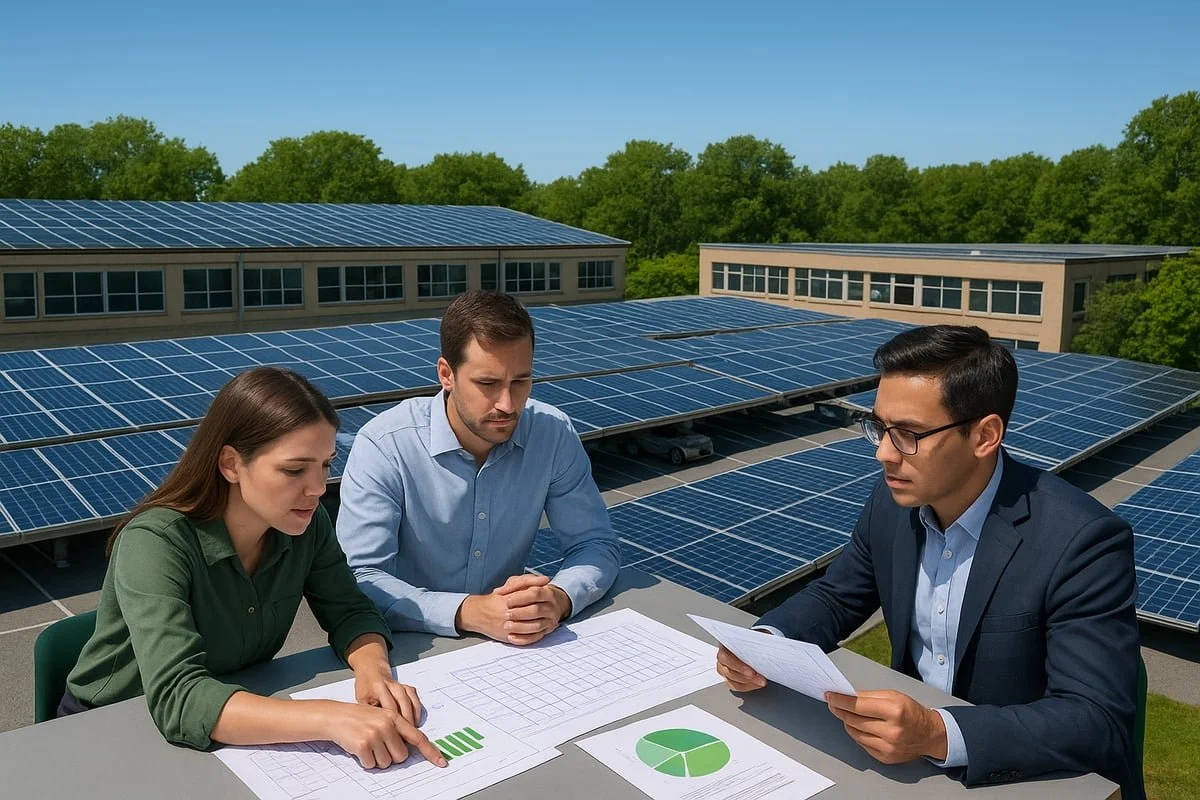
Exploring the financial landscape of solar energy in 2026 is essential for anyone considering power solutions solar. With costs continuing to drop and incentives expanding, solar is more accessible than ever. Understanding the investment, financing, and long-term value can help you make an informed decision.
Financial Considerations and Incentives for Solar in 2026
Understanding the Costs and ROI of Solar
Calculating the true value of power solutions solar starts with upfront costs, ongoing maintenance, and projected savings. Modern systems, with 25-year production warranties and 50+ year lifespans, offer remarkable reliability. The average price of solar installations has fallen significantly, making entry more affordable for residential, commercial, and municipal projects.
| Cost Component | Typical Range | Notes |
|---|---|---|
| Upfront Cost | $2–$3 per watt | Lower for larger projects |
| Maintenance | $200–$500/year | Minimal for most systems |
| Payback Period | 5–8 years | Varies by sector |
Over time, organizations can save millions in utility costs. For a deeper look at the financial impact, see the Cost-Saving Benefits of Solar Power for Companies.
Financing Options: From Cash to Performance Contracts
Financing power solutions solar is flexible in 2026. Options include cash purchases, solar loans, leases, and innovative power purchase agreements (PPAs). Many institutions prefer energy savings performance contracts that allow projects to be budget-neutral, with savings offsetting monthly payments.
Eligibility depends on creditworthiness, project size, and local regulations. Municipalities and schools often leverage PPAs or performance contracts to minimize upfront investment. The trend is toward tailored solutions that fit unique financial goals, making power solutions solar viable for all types of clients.
Solar Incentives, Tax Credits, and Grants (2026 Update)
In 2026, incentives play a critical role in the economics of power solutions solar. Key federal programs, such as the Investment Tax Credit (ITC), provide substantial reductions in capital cost. States offer rebates, property tax exemptions, and solar grants, especially for educational and municipal projects.
Federal Investment Tax Credit (ITC)
State and local rebates
Property tax exemptions
Educational and sustainability grants
These incentives can shorten payback periods and boost ROI, making solar adoption more attractive than ever.
Maximizing Savings and Long-Term Value
To maximize the benefits of power solutions solar, consider integrating battery storage and load management strategies. Real-time monitoring ensures systems operate at peak efficiency, while combining solar with other energy-saving upgrades can further increase value.
Solar-equipped properties typically see higher resale values and greater marketability. Many organizations achieve net zero energy or positive cash flow within the first year. With careful planning and professional guidance, power solutions solar delivers both immediate and lasting financial rewards.
Solar Solutions for Different Sectors: Schools, Businesses, and Municipalities
Clean energy is transforming organizations across every sector, and the right power solutions solar approach can unlock measurable benefits for schools, businesses, and municipalities. Each sector faces unique challenges and opportunities, but with tailored solar strategies, it is possible to maximize savings, sustainability, and community impact.
Solar for K-12 Schools
K-12 schools are discovering the advantages of power solutions solar to reduce utility costs and invest more in student achievement. Solar installations on rooftops or parking canopies offer a path to positive cash flow, often from the first year. This immediate savings can be redirected to educational programs, technology, or facility upgrades.
Schools also benefit from integrating solar data into STEM curricula, providing students with hands-on learning about clean energy. Partnerships with educational organizations support teacher training and curriculum development. A standout example is Lake Park High School District 108, where solar arrays have boosted budgets and inspired students to explore renewable energy careers.
Solar for Higher Education Campuses
Colleges and universities are leveraging power solutions solar to advance sustainability goals and reduce campus-wide energy expenses. By integrating solar into campus energy master plans, institutions align operational savings with their environmental mission. Solar projects can power athletic facilities, residence halls, and research centers.
Student engagement is a key benefit, as solar systems create opportunities for research, internships, and environmental leadership programs. The University of Arkansas at Pine Bluff’s solar-powered gym demonstrates how higher education can blend innovation with sustainability. Solar investments also enhance campus reputation and attract eco-conscious students and faculty.
Solar for Municipal Governments and Public Buildings
Cities and towns are adopting power solutions solar to power municipal buildings, lower operational costs, and meet ambitious climate targets. Solar projects often integrate with broader green initiatives, including EV charging, smart lighting, and energy storage for improved resilience and reliability.
Long-term planning is essential, as municipalities seek energy independence and protection from utility rate volatility. Successful projects showcase environmental stewardship and often leverage vendor independence and guaranteed performance. For authoritative information on solar industry standards and policy trends, municipal leaders often consult resources like the Solar Energy Industries Association (SEIA).
Solar for Businesses and Commercial Properties
Businesses are turning to power solutions solar not only for cost reduction but also for enhanced brand reputation. Solar installations support corporate social responsibility (CSR) programs, helping companies demonstrate their commitment to sustainability and innovation.
Solar-equipped buildings attract environmentally conscious customers and investors. Custom solutions are critical, as each business has unique energy needs and facility types. Many organizations utilize incentives and tax credits to improve ROI, and flexible financing options are making solar more accessible than ever. Market demand for solar continues to rise as businesses prioritize resilience and long-term value.
Real-World Solar Projects and Success Stories
Across the country, organizations are embracing power solutions solar to achieve sustainability and significant cost savings. These real-world examples showcase the impact of well-designed solar projects, from schools to municipalities and businesses.
Case Study: Michigan City Area Schools—Solar and LED Integration
Michigan City Area Schools leveraged power solutions solar by integrating solar arrays with LED lighting upgrades. This holistic approach delivered guaranteed energy savings and reduced the district’s carbon footprint.
The district saw a dramatic drop in utility costs, freeing up funds for educational programs. Students benefited from hands-on learning opportunities, using real-time solar data in STEM classes. Sustainability outcomes included lower greenhouse gas emissions and improved building efficiency.
Key lessons from Michigan City include prioritizing reliable partners and clear communication. Their experience demonstrates how power solutions solar can transform school operations and education.
Case Study: Mountain View School District—Ground-Mount Solar Field
Mountain View School District implemented a large-scale ground-mount power solutions solar field. The design included dual-axis tracking, maximizing energy production throughout the year.
Stakeholder involvement was crucial, with school leaders, staff, and the community engaged from initial planning to completion. The district used performance monitoring tools to ensure ongoing efficiency and prompt maintenance.
Results included substantial energy savings, reduced emissions, and positive community feedback. This project underscores how ground-mount power solutions solar can be scaled and replicated for districts seeking long-term sustainability and budget relief.
Case Study: Lake Park High School District 108—Roof-Mount Solar
Lake Park High School District 108 adopted power solutions solar through a comprehensive roof-mount installation. The project began with a detailed assessment, ensuring the system fit existing infrastructure and future energy goals.
Financial modeling and the use of incentives, such as the Solar Investment Tax Credit (ITC) Overview, helped the district achieve positive cash flow in the first year. The transparent, open-book pricing approach fostered trust and accountability.
Outcomes included reduced utility expenses, educational benefits, and leadership in sustainability. Lake Park’s experience highlights the importance of planning and leveraging available incentives for power solutions solar success.
Additional Success Stories: Municipal, Higher Ed, and Commercial Projects
Beyond schools, power solutions solar is transforming municipalities, universities, and businesses. Projects like Glenbard Township High School, Sunset Ridge School District, and several city buildings feature diverse solar system types, from canopies to ground arrays.
Each project prioritized customer experience, vendor independence, and measurable results. Collectively, these initiatives have saved millions in utility costs and significantly cut emissions. Many have incorporated proactive maintenance, using resources such as Solar Panels Not Working Troubleshooting guides to ensure reliability.
These real-world examples prove that power solutions solar is both practical and replicable for organizations of any size.
As you’ve discovered throughout this guide, transitioning to clean, reliable energy isn’t just a trend—it’s a practical step toward independence, savings, and a more sustainable future for your home or business. Whether you’re drawn to the long-term financial benefits, the latest solar technologies, or the peace of mind that comes with energy security, KingAire’s expertise can make your solar journey seamless and rewarding. If you’re ready to explore tailored solar and backup power solutions, let’s take the next step together—Get a Free Quote and see how clean energy can work for you in 2026.