
9 Essential Lightning Suppression Tips for 2025
Lightning strikes are becoming more frequent and destructive across the United States, causing billions in property damage each year. As storms intensify, lightning suppression has never been more essential for protecting homes, businesses, and public infrastructure in 2025.
This article delivers nine expert-backed lightning suppression tips designed to safeguard your property and ensure business continuity. Whether you are a homeowner, facility manager, or business leader, you will find practical strategies tailored to today’s evolving risks.
Read on to discover how proactive lightning protection can save lives, prevent costly losses, and keep your assets secure.
The Rising Threat: Lightning Strikes in the United States
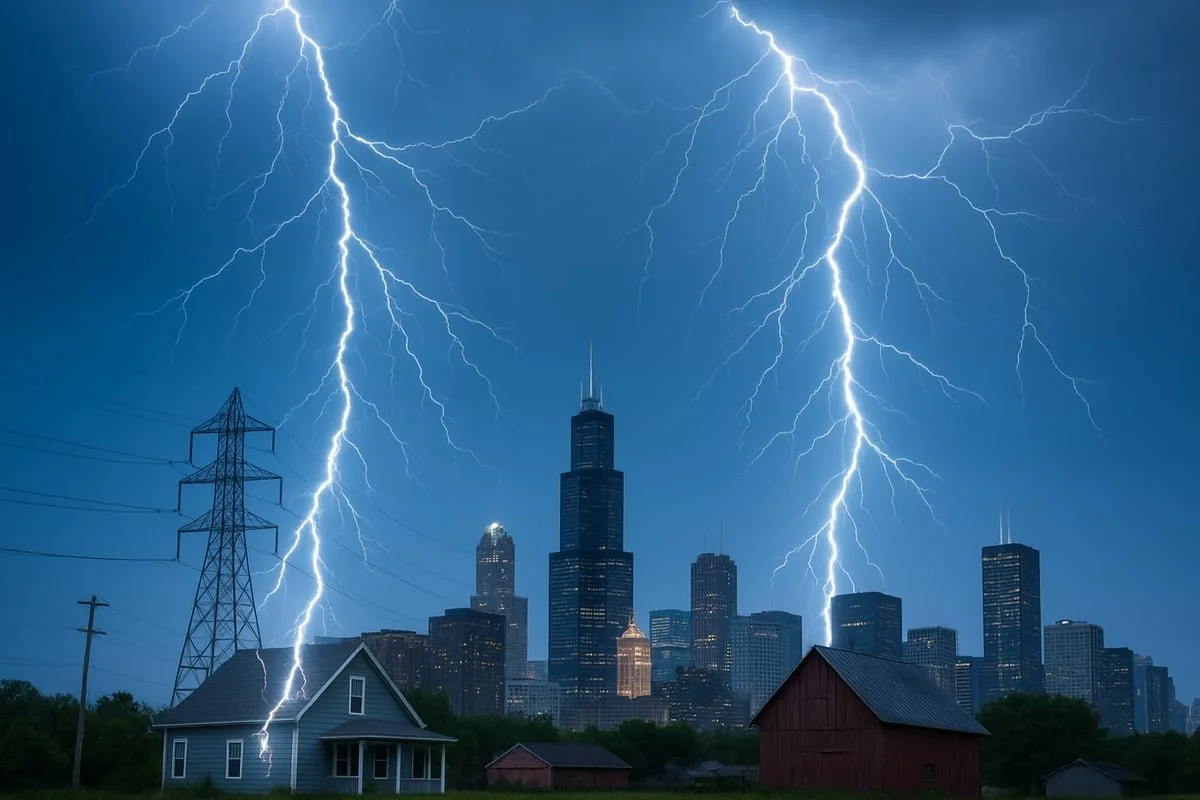
Lightning is an increasingly costly and disruptive force across the United States. With severe weather events on the rise, property owners and facility managers face greater challenges in managing lightning suppression. Understanding which buildings and items are at highest risk is essential for effective protection.
The Rising Threat: Lightning Strikes in the United States
Trends and Regional Risks
The United States experiences tens of millions of lightning strikes each year. Recent data shows storm frequency and intensity are rising, partly due to climate change. This trend increases the urgency for comprehensive lightning suppression, especially in regions like Florida and Texas, which consistently rank as the most lightning-prone states.
These areas see higher rates of property damage and insurance claims linked to lightning. The combination of warm, humid air and frequent thunderstorms makes them hotspots for strikes. As the climate shifts, other regions are also experiencing more unpredictable and severe lightning activity, further stressing the need for robust lightning suppression strategies.
Most Commonly Struck Structures in the U.S.
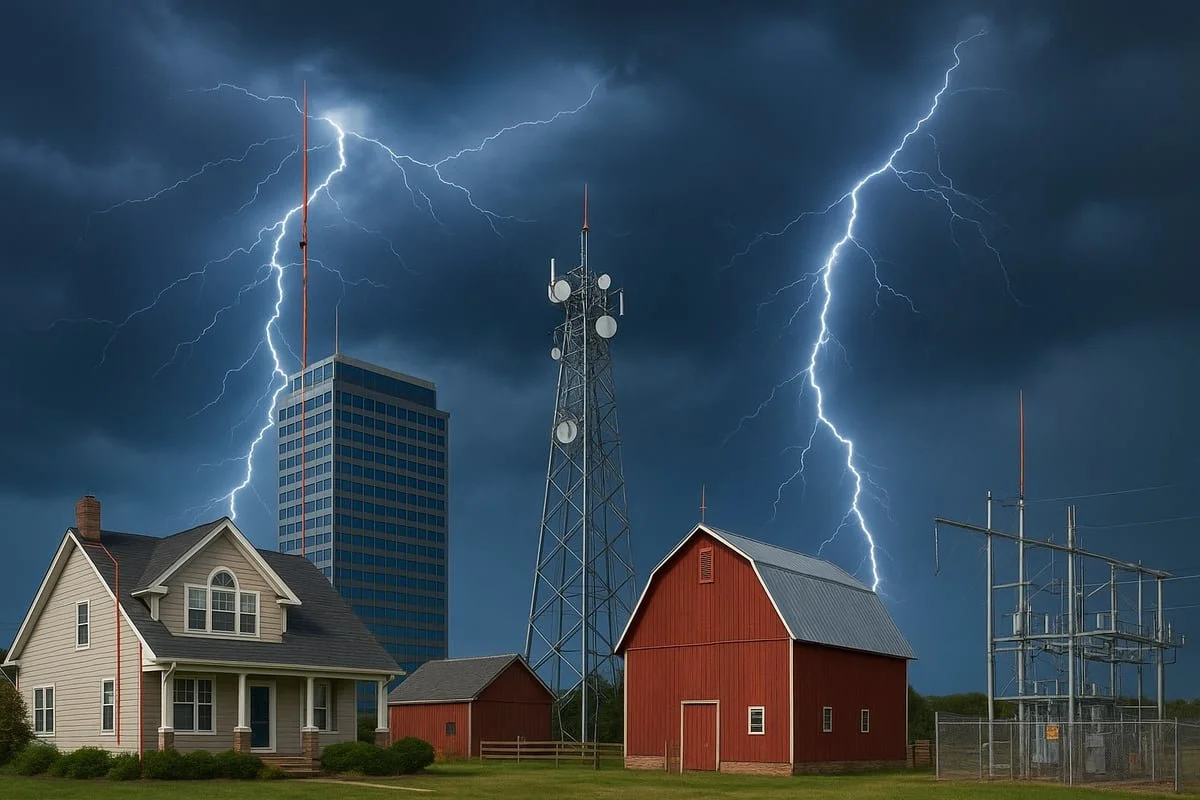
Certain building types are far more likely to be hit. Residential homes, especially those in open areas or on elevated ground, are frequent targets. Commercial buildings, office towers, and communication towers are also at increased risk due to their height and exposure. Barns, sheds, and utility infrastructure, such as substations and power lines, are vulnerable as well.
The reasons for these patterns are complex, involving location, elevation, and materials. According to the Top Building Types Prone to Lightning, structures with metal roofs, tall profiles, or isolated placement attract more strikes. Outdoor items like flagpoles, rooftop solar panels, and even large trees near homes are also common strike points, underlining the importance of targeted lightning suppression.
| Structure Type | Relative Strike Frequency | Common Vulnerabilities |
|---|---|---|
| Residential Homes | High | Roofs, chimneys, trees nearby |
| Office Towers | Very High | Rooftop equipment, antennas |
| Barns/Sheds | Moderate | Metal frames, open fields |
| Communication Towers | Extremely High | Height, exposed electronics |
| Utility Substations | High | Transformers, overhead lines |
Vulnerabilities and Urbanization
Modern construction trends have changed the landscape of lightning risk. Taller buildings and expanding urban areas create more targets for lightning. Materials like metal and the presence of rooftop equipment make structures more susceptible.
Outdoor installations, such as solar arrays and HVAC units, often lack adequate lightning suppression, increasing the risk of costly damage. Urbanization also means more people and assets are concentrated in strike-prone zones, amplifying potential losses.
Notable incidents in recent years include fires in commercial buildings, widespread power outages, and damage to communication infrastructure. These cases highlight the necessity of proactive lightning suppression tailored to the vulnerabilities of modern structures and outdoor equipment.
Understanding Lightning Suppression: Core Principles for 2025
Lightning remains a significant hazard for buildings and infrastructure across the United States. To understand lightning suppression, it is essential to first know how lightning forms. When atmospheric conditions produce separation of electrical charges within clouds, a powerful voltage builds up. This voltage seeks a path to the ground, often targeting tall or conductive structures that provide a route for discharge.
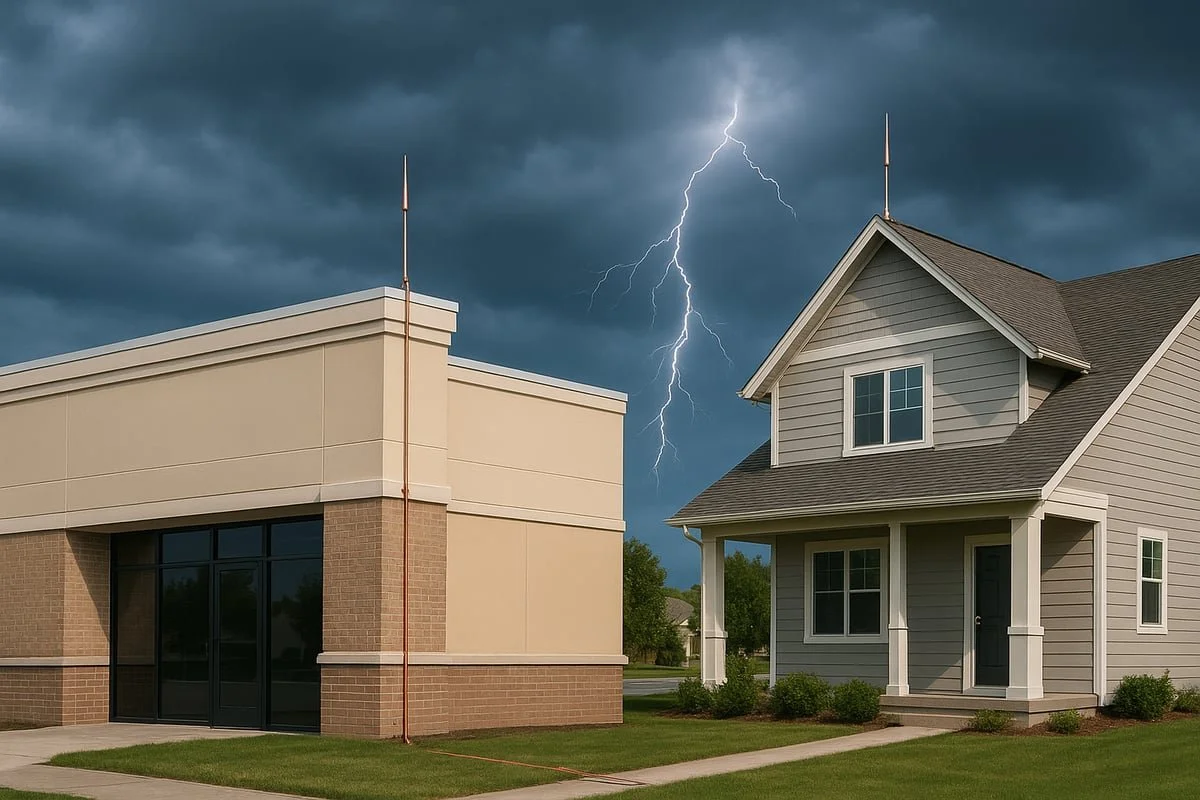
The foundation of modern lightning suppression is built on several scientific principles. These include interception, conduction, dissipation, and grounding. Interception involves capturing the lightning strike before it can reach vulnerable parts of a structure, typically using air terminals or lightning rods. Conduction safely channels the electrical energy through conductors, while dissipation spreads the energy out as it moves toward the earth. Proper grounding ensures the energy is transferred harmlessly into the ground, minimizing risk to people and property.
It is important to distinguish lightning suppression from surge protection. While lightning suppression focuses on preventing direct strikes and managing the current, surge protection is designed to protect sensitive electronics from voltage spikes. In 2025, advancements like smart sensors and real-time monitoring are enhancing both lightning suppression and surge protection, making systems more reliable and responsive.
Integrating lightning suppression systems with current building codes and insurance requirements is critical. Adhering to recognized standards, such as those outlined in the NFPA 780 Lightning Protection Standard, ensures effective protection for properties. Regular maintenance and professional inspections are also essential, as even small faults can compromise system performance. High-risk facilities, such as hospitals and data centers, often serve as examples of how comprehensive lightning suppression strategies can prevent costly damage and downtime.
Understanding Lightning Suppression: Core Principles for 2025
9 Essential Lightning Suppression Tips for 2025
Lightning suppression is no longer optional for homes and businesses—it is a critical defense against property loss and downtime. The following nine expert-backed tips offer a roadmap to robust lightning suppression in 2025, ensuring you are prepared for even the most intense storms.
9 Essential Lightning Suppression Tips for 2025
1. [Install a Comprehensive Lightning Protection System]
A comprehensive lightning protection system is the cornerstone of effective lightning suppression. These systems include strategically placed air terminals, heavy-duty conductors, ground electrodes, and bonding connections. Together, these components intercept lightning strikes and direct the electrical energy safely into the ground, minimizing risk.
Professional installation to standards such as NFPA 780 and UL 96A is essential for system reliability. For instance, after a major hospital in Texas upgraded to a full lightning suppression system, it reported zero lightning-related outages over five years. Regular inspections ensure all connections remain secure and conductive, especially after severe weather.
Routine maintenance should include checking for corrosion, loose fittings, and any damage to system components. Keeping your lightning suppression system in peak condition protects not only the building but also its occupants and critical operations.
2. [Upgrade to Modern Surge Protection Devices (SPDs)]
Surge protection devices are a vital layer within any lightning suppression strategy. Whole-building SPDs, point-of-use protectors, and panel-mounted devices shield sensitive electronics from destructive voltage spikes caused by lightning. In 2025, smart SPDs with remote monitoring capabilities provide real-time alerts and diagnostics, making it easier than ever to maintain protection.
Installation of SPDs should follow the latest codes and manufacturer instructions. With modern lightning suppression, data shows a significant reduction in equipment failures and costly downtime. For example, a university campus saw a 70% drop in electronics replacement costs after deploying advanced SPDs.
Ensure SPDs are installed at key entry points for power and data lines. Regular checks and timely upgrades will keep your lightning suppression efforts effective as technology evolves.
3. [Ensure Proper Grounding and Bonding]
Proper grounding is fundamental to lightning suppression. A low-resistance path to earth allows dangerous currents to dissipate safely. Bonding all metallic systems, such as water pipes, gas lines, and HVAC units, prevents side flashes that can cause fires or injuries.
Identifying and correcting grounding faults is crucial. Ground resistance should be tested regularly, aiming for values below 10 ohms as recommended by industry standards. A commercial building retrofit in Florida demonstrated that improved grounding and bonding cut lightning-related insurance claims in half.
Documenting all grounding connections and maintaining them over time ensures your lightning suppression system operates at peak efficiency, especially during severe storms.
4. [Protect Outdoor Structures and Equipment]
Barns, sheds, gazebos, and rooftop units are often overlooked in lightning suppression plans. These structures, especially those with metal roofs or equipment, are highly susceptible to strikes. Installing air terminals and ground rods on outbuildings extends protection beyond the main facility.
Special attention is needed for solar arrays, antennas, and rooftop HVAC systems. A Midwest farm equipped its barns and solar panels with dedicated lightning suppression devices, resulting in uninterrupted operations throughout a record storm season.
Regular inspections of exposed equipment and prompt repair of damaged components are essential for maintaining effective lightning suppression across your entire property.
5. [Safeguard Communication and Utility Lines]
Communication and utility lines are prime targets for lightning, often serving as entry points for surges. Surge arresters, isolation devices, and underground cabling form a multi-layered defense within your lightning suppression plan. Coordinating with utility providers ensures all external lines are properly protected.
For example, a data center in Georgia implemented comprehensive lightning suppression on its utility feeds, reducing downtime from lightning events by over 90%. Installing protection at the service entrance and critical distribution points is key.
Regular reviews of your lightning suppression measures for utility lines will keep your property resilient against both direct and indirect lightning impacts.
6. [Schedule Regular Inspections and Maintenance]
Annual inspections by certified professionals are a non-negotiable part of lightning suppression. Inspections should cover all connections, grounding electrodes, and system integrity, with a checklist for corrosion, wear, and environmental changes.
Upgrading outdated components and keeping thorough records ensures ongoing compliance with safety standards. Weather events can compromise lightning suppression systems, so post-storm inspections are vital.
A school district in Oklahoma implemented a proactive maintenance program, resulting in zero lightning-related incidents across multiple campuses. Consistent attention to your lightning suppression infrastructure guarantees long-term protection.
7. [Educate Occupants and Facility Managers]
Human error can undermine even the best lightning suppression systems. Training staff and residents on lightning safety protocols, such as emergency shutdowns and evacuation routes, is essential. Displaying signage and distributing educational materials reinforces awareness.
Routine safety drills prepare everyone to act quickly during storms. In a corporate office, regular lightning safety training led to a measurable drop in injuries and property loss.
Empowering occupants with knowledge complements physical lightning suppression measures, creating a culture of safety and preparedness.
8. [Utilize Smart Monitoring and Early Warning Systems]
Smart monitoring is transforming lightning suppression. IoT sensors and real-time lightning detection enable automated alerts and system status checks. Remote diagnostics support predictive maintenance, reducing the risk of system failure.
A commercial property in Denver integrated smart monitoring with its lightning suppression system, achieving faster response times and reduced downtime. Automated alerts allow facility managers to take immediate action, protecting both people and assets.
Adopting these technologies ensures your lightning suppression efforts stay ahead of emerging threats and evolving building environments.
9. [Adapt Protection for High-Risk Building Types]
High-risk buildings—such as skyscrapers, stadiums, schools, and hospitals—require specialized lightning suppression strategies. Custom systems account for unique architectural features and occupancy patterns, ensuring comprehensive coverage.
Historical and landmark buildings need tailored solutions that preserve aesthetics while delivering robust lightning suppression. Regulatory compliance is especially critical for public and critical infrastructure.
A major stadium in Florida implemented a multi-layered lightning suppression system, meeting stringent safety requirements and protecting thousands of visitors annually. For more in-depth advice and updated strategies, explore Lightning Suppression Resources and Tips.
By adapting your lightning suppression plan to your building's specific needs, you maximize protection and ensure regulatory compliance.
Most Frequently Struck Structures and Items in the U.S.
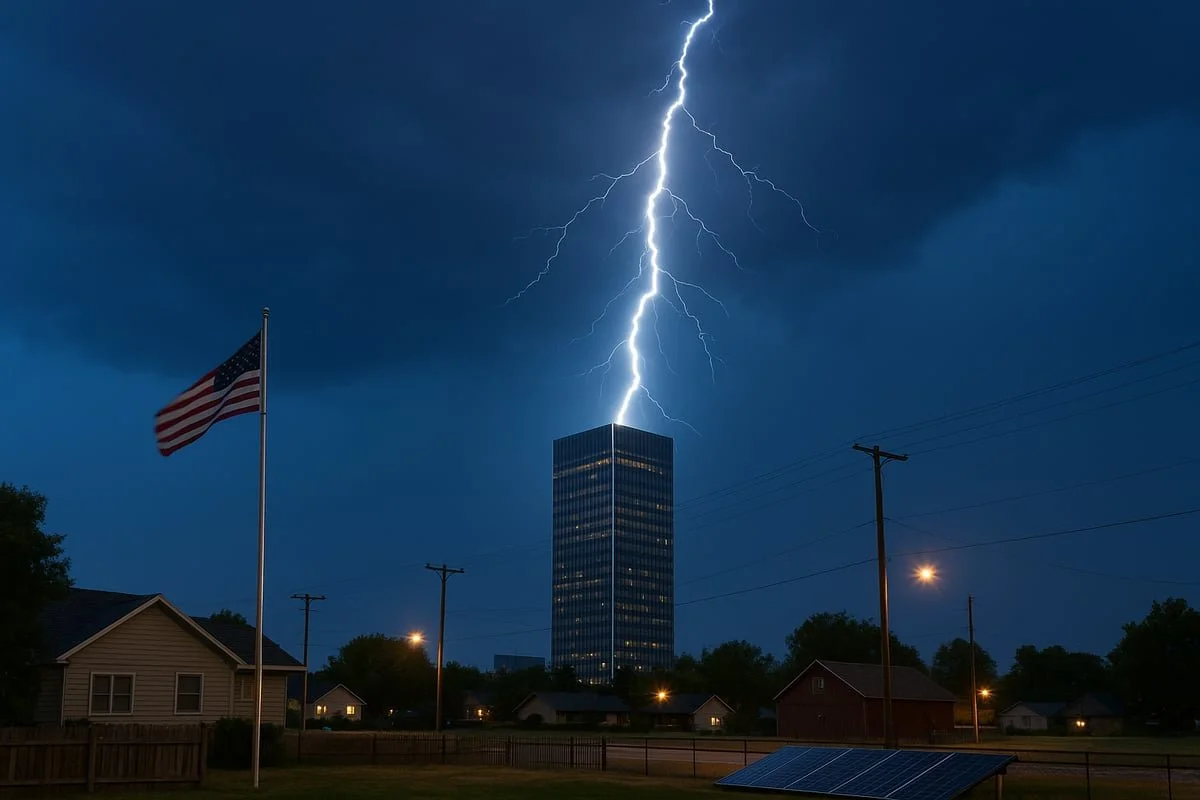
Lightning strikes pose a significant risk to properties across the United States. Understanding which structures and outdoor items are most vulnerable is essential for anyone considering lightning suppression in 2025. With billions of dollars in damages reported annually, targeted protection strategies have never been more crucial.
Most Frequently Struck Structures and Items in the U.S.
Residential & Commercial Structures
Residential homes and commercial buildings are among the most commonly struck structures in the U.S. Factors such as building height, roof shape, and the presence of nearby tall objects can significantly influence strike likelihood. According to the Vaisala 2024 Lightning Report, states like Florida and Texas see the highest number of lightning events each year.
Homes located in open areas or at the highest point in a neighborhood are particularly at risk. Office towers and high-rise apartments, due to their elevation and metal frameworks, frequently attract direct strikes. Implementing robust lightning suppression can drastically reduce property damage and insurance claims in these environments.
Table: Frequency of Lightning Strikes by Structure Type
| Structure Type | Relative Strike Frequency |
|---|---|
| Residential Homes | High |
| Office Towers | Very High |
| Barns | Moderate |
| Utility Substations | High |
| Communication Towers | Extremely High |
Agricultural & Industrial Buildings
Barns, storage sheds, and industrial warehouses are also frequent targets. These buildings often stand alone in open fields, making them natural conductors for lightning. Metal roofs, large surface areas, and minimal surrounding tree cover further increase vulnerability.
For example, a recent incident in Kansas saw a barn fire caused by a lightning strike, resulting in substantial losses for the farm owner. Industrial sites with exposed equipment or tall silos are similarly at risk. Effective lightning suppression in these settings includes grounding, air terminals, and regular maintenance to ensure all protective systems function optimally.
Communication Towers & Utility Infrastructure
Communication towers, radio antennas, and utility substations are at the top of the list for lightning strikes. Their height and metal construction make them ideal targets. When lightning hits these structures, it can disrupt essential services, from cellular networks to electricity distribution.
Utility infrastructure, including transformers and substations, faces unique risks due to their exposure and critical role in the grid. Implementing advanced lightning suppression measures is vital for minimizing downtime and preventing costly repairs. The Why Some Buildings Get Hit by Lightning article provides insight into protection strategies for these vulnerable assets.
Outdoor Items & Risk Factors
Many outdoor items are surprisingly prone to lightning strikes. Trees near buildings, flagpoles, metal fences, rooftop solar panels, and playground equipment all serve as potential lightning pathways. Solar panels, in particular, are increasingly common and require specific surge protection as part of an overall lightning suppression strategy.
Location, height, and material composition play significant roles in strike probability. For instance, a tall flagpole in an open yard or a metal fence running along a property line can act as a direct conduit for lightning. Regular inspections and targeted protection of these outdoor items are essential steps for reducing risk.
Future Trends in Lightning Suppression Technology
Lightning suppression is evolving rapidly as technology, climate, and infrastructure needs change. In 2025, property owners and facility managers must stay informed to protect their assets and adapt to new risks. Let us explore the innovations shaping the future of lightning suppression and what you can do to stay ahead.
Innovations in Materials and Coatings
Recent breakthroughs in advanced materials are transforming lightning suppression systems. New alloys and nano-coatings offer better conductivity and corrosion resistance. This means longer-lasting air terminals and grounding rods that require less maintenance.
Engineers are also exploring graphene-based conductors and self-healing coatings. These materials can quickly respond to lightning energy and repair minor surface damage on their own. Such innovations help ensure that lightning suppression systems remain effective even in harsh environments.
Smart Monitoring and AI Integration
Smart technology is now a core part of modern lightning suppression. IoT sensors can track system performance and detect faults in real time. Facilities can receive instant alerts if a conductor becomes loose or a ground connection degrades.
Artificial intelligence further enhances these systems. AI can analyze weather data and predict when lightning strikes are likely in your area. Predictive maintenance scheduling, based on sensor input, reduces downtime and prevents costly failures. This level of control and data-driven decision making is setting a new standard for lightning suppression.
Sustainability and Integration with Renewables
Sustainability is driving the next generation of lightning suppression. Eco-friendly materials, such as recycled copper and non-toxic coatings, are becoming more common. These choices reduce environmental impact while maintaining high performance.
With the rise of solar panels, integrating lightning suppression with renewable energy systems is essential. Surge protection for solar installations is now a top priority for property owners. For a detailed overview, visit the Surge Protection for Solar Panels Guide. Properly designed lightning suppression ensures that solar and battery systems are shielded from both direct strikes and power surges.
Building Codes, Insurance, and Climate Adaptation
Regulators and insurers are updating standards to reflect new lightning suppression technology. Expect stricter requirements for grounding, surge protection, and inspection in both new constructions and retrofits. Building codes are being revised to address the unique risks of taller structures and urban sprawl.
Climate change is increasing lightning frequency in many regions. Facility managers should review current insurance policies to confirm that lightning suppression upgrades are covered. Stay informed on local regulations and participate in training programs to remain compliant with evolving standards.
Preparing for the Future: Resources and Resilience
As lightning suppression technology advances, continuous learning is crucial. Subscribe to industry newsletters, attend webinars, and consult with certified professionals. Reliable data sources, such as the CDC Lightning Strike Victim Data, help you understand regional risks and tailor your protection strategy.
By adopting innovative lightning suppression solutions and staying proactive, you can safeguard your property against emerging threats. The future will reward those who adapt quickly and leverage the latest advancements to build true resilience.
As you’ve seen, lightning strikes are becoming more frequent and costly, especially in high-risk areas like Florida. Taking proactive steps now can protect your home or business, keep your solar and backup power systems safe, and give you peace of mind during storm season. If you’re ready to make sure your property is truly protected with the latest in lightning suppression and surge protection, I invite you to reach out for expert guidance tailored to your needs. Let’s make your energy systems resilient—Get a Free Quote.