
7 Essential Home Standby Generator Tips for 2025
Picture this: a wild storm sweeps through your neighborhood in 2025, leaving streets dark and silent. Would your home standby generator keep your lights on when the power grid fails? More than ever, real outage risks make backup power essential.
A home standby generator offers automatic, whole-home protection, unlike portable units that require manual setup and refueling in dangerous conditions. With seamless operation, greater safety, and the ability to handle your home's full electrical load, it is the clear choice for reliability.
In this guide, discover 7 expert tips to maximize your home standby generator's performance, safety, and long-term value. Stay ahead with the latest technology and best practices to protect your home and peace of mind.
Why Choose a Standby Generator Over a Portable Generator?
When it comes to protecting your home from unexpected power outages, the choice between a home standby generator and a portable generator is critical. Understanding the unique advantages of a home standby generator helps you make an informed investment for your family's comfort and safety.
Standby Generator vs. Portable Generator: Core Differences
A home standby generator is permanently installed outside your home, ready to deliver automatic backup power within seconds of an outage. In contrast, a portable generator requires manual setup, fuel handling, and often only powers a few essential appliances.
Key Differences Table:
| Feature | Home Standby Generator | Portable Generator |
|---|---|---|
| Installation | Permanent, automatic | Manual, temporary |
| Power Capacity | Whole home | Limited circuits |
| Response Time | Seconds | 30+ minutes setup |
| Safety | No indoor CO risk | CO risk, refueling |
| Weather Protection | Weatherproofed | Exposed, vulnerable |
| Maintenance | Low during outage | Frequent checks |
| Remote Monitoring | Yes | Rare |
During major storms like Hurricane Ian, homes equipped with a home standby generator experienced significantly less downtime and fewer safety incidents than those with portable units. According to Consumer Reports, a home standby generator restores power almost instantly, while portable models often require 30 minutes or more to set up.
For a deeper dive into this comparison, see the Standby vs. Portable Generators guide.
Long-Term Value and Investment
Choosing a home standby generator is not just about immediate backup power. It is a long-term investment that can increase your property value, especially in regions prone to severe weather. Homebuyers recognize the added security and convenience, making your home more attractive on the market.
Many insurance providers offer discounts for homes with a home standby generator, reflecting their role in reducing risks like frozen pipes and food spoilage. With proper care, a home standby generator typically lasts 10 to 15 years, outlasting most portable units. While the initial cost is higher, the total cost of ownership drops over time due to lower maintenance and fuel expenses.
A home standby generator is built to handle your entire home's energy needs, providing peace of mind and a reliable safety net during outages.
Convenience and Modern Integration
Modern lifestyles demand more than just basic backup power. A home standby generator offers seamless integration with smart home systems, allowing you to monitor and control your power remotely. Quiet operation and discreet installation minimize disruption and maintain your home's curb appeal.
Many homeowners are now combining a home standby generator with solar battery systems, moving toward greater energy independence and sustainability. This flexibility ensures your home is prepared for both short-term outages and long-term energy trends.
In summary, a home standby generator provides unmatched reliability, safety, and long-term value compared to portable generators. It is an investment in your home's resilience, comfort, and future readiness.
7 Essential Home Standby Generator Tips for 2025
Owning a home standby generator in 2025 is about more than just keeping the lights on. It is about ensuring your family’s safety, comfort, and peace of mind during any outage. With rapid advances in technology and growing climate uncertainties, maximizing your investment takes more than a basic setup. Below, you will find seven expert tips to help you get the most from your home standby generator, covering everything from precise sizing to the latest smart features.
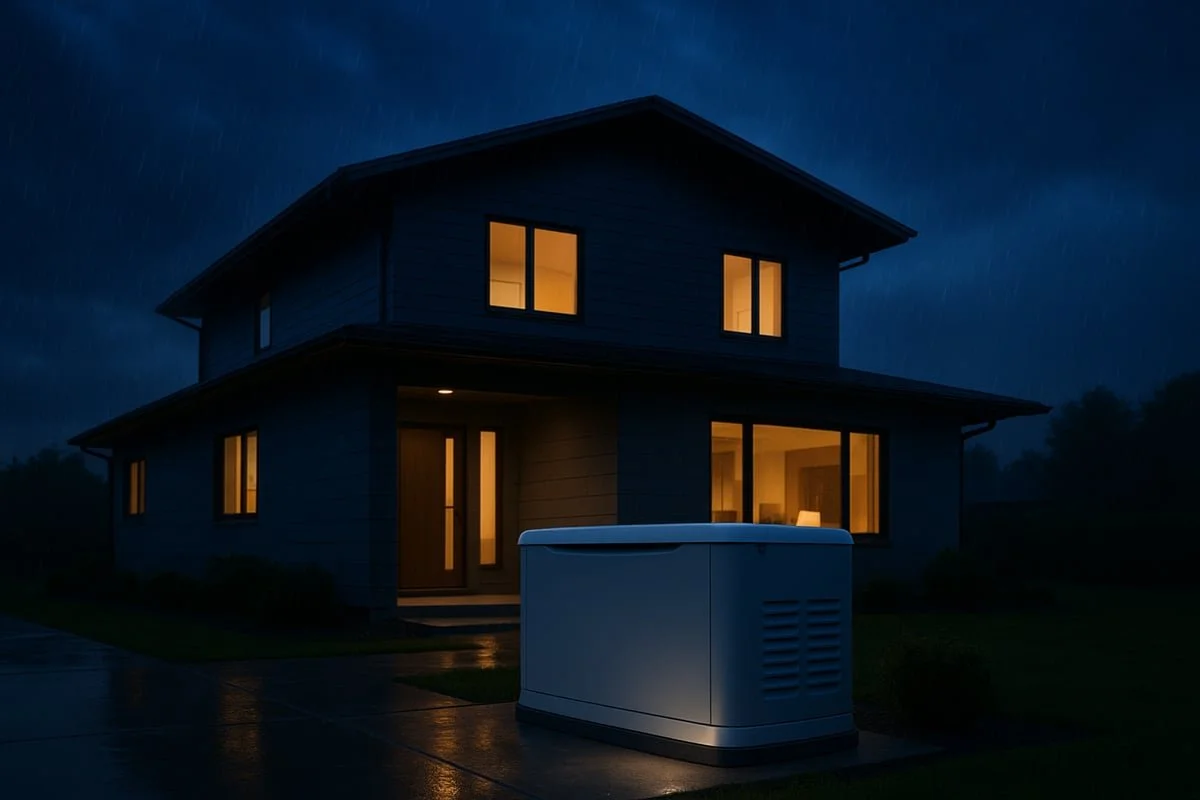
7 Essential Home Standby Generator Tips for 2025
1. Assess Your Home’s Power Needs Accurately
The first step to reliable backup power is a precise understanding of your household’s energy requirements. Many homeowners underestimate how much power their home standby generator must deliver, which leads to system overloads or critical devices left unpowered.
Begin by listing all essential appliances: refrigerator, HVAC, sump pump, medical equipment, security systems, and smart devices. Do not forget luxury items that boost comfort, such as entertainment centers or home offices. Calculate the total running wattage and add the starting (surge) wattage for high-draw devices like air conditioners.
For accuracy, use an online load calculator or, better yet, consult a licensed electrician. This ensures your home standby generator is neither undersized nor overbuilt, saving money and preventing future headaches. Factor in potential upgrades, such as electric vehicle chargers or expanded living spaces, to future-proof your setup.
Sample Load Calculation Table:
| Appliance | Running Watts | Starting Watts |
|---|---|---|
| Refrigerator | 700 | 2200 |
| Central AC (3 ton) | 3500 | 7000 |
| Sump Pump | 800 | 1200 |
| Home Office | 600 | 600 |
| Lighting (whole) | 400 | 400 |
A common mistake is ignoring surge wattage. For example, an average Florida home may need a 20 kW home standby generator to cover all critical systems with extra margin.
Did you know that 60% of generator failures result from improper sizing? Avoid this costly pitfall by planning ahead. Accurate assessment is the foundation of a dependable home standby generator system.
2. Choose the Right Fuel Source for Your Generator
Selecting the optimal fuel source for your home standby generator impacts both performance and long-term costs. The most common options include natural gas, propane, diesel, and emerging bi-fuel models.
Each fuel type offers distinct advantages and drawbacks:
| Fuel Type | Pros | Cons |
|---|---|---|
| Natural Gas | Unlimited supply, clean, low maintenance | May be disrupted in major storms |
| Propane | Long storage life, ideal for rural areas | Requires tank refills, higher cost |
| Diesel | High power output, efficient | Shorter shelf life, more emissions |
| Bi-Fuel | Flexibility, extended runtime | More complex systems |
Regional factors play a big role. In urban Florida, natural gas is typically preferred due to its constant supply, while rural areas lean toward propane for its storage flexibility. Diesel is favored for its power, though it is less common in residential settings.
New in 2025 are eco-friendly fuel blends and low-emission models. These appeal to environmentally conscious homeowners and may soon become the standard as regulations tighten.
A typical propane-fueled home standby generator can run for 2 to 3 weeks on a standard tank, offering reassurance during extended outages. Always consider fuel reliability in your area, especially if hurricanes or storms are frequent. Making the right fuel choice ensures your home standby generator is there when you need it most.
3. Prioritize Professional Installation and Permitting
Installing a home standby generator is not a do-it-yourself project. Professional installation is critical for safety, performance, and warranty protection. Attempting to cut corners can void warranties, lead to dangerous wiring mistakes, or cause serious hazards like backfeeding and fires.
A licensed installer will assess your site, select the best location, and ensure proper clearance from windows and vents. They will install a transfer switch to automatically shift your home to backup power the moment an outage occurs, eliminating manual steps during stressful situations.
Permitting is another vital step. In Florida, for example, expect to submit detailed plans, coordinate with the utility provider, and pass multiple inspections. These steps guarantee compliance with local codes and protect your investment.
Professional installation also means safe fuel connections, correct grounding, and system testing. According to recent statistics, homes with professionally installed generators experience 40% fewer outage-related incidents.
Ultimately, expert installation is the safest and most reliable route. Your home standby generator will be ready to perform in any emergency, and you will have peace of mind knowing everything meets the latest standards.
4. Schedule Regular Maintenance and System Testing
To keep your home standby generator running smoothly, routine maintenance is nonnegotiable. Neglected upkeep is the root cause of 80% of generator failures during power outages.
Manufacturers recommend regular oil changes, filter replacements, and battery checks. Modern systems can be set to run automatic exercise cycles weekly, ensuring readiness without manual intervention. Annual professional inspections and load testing catch potential issues before they become critical.
2025 models often feature remote monitoring and smart diagnostics, allowing you to track system health from your smartphone. This technology alerts you to maintenance needs or faults instantly.
A sample maintenance log template might include:
| Date | Task | Completed By | Notes |
|---|---|---|---|
| 01/10/2025 | Oil Change | Technician | All good |
| 01/10/2025 | Battery Check | Homeowner | Battery strong |
| 01/10/2025 | Filter Replacement | Technician | New filter |
Set reminders for routine checks, and always keep records. For a deeper dive into what every homeowner should know, explore these Essential Generator Maintenance Tips.
Investing in ongoing maintenance not only preserves your warranty but ensures your home standby generator will not fail you when you need it most.
5. Integrate Surge Protection and Electrical Safety Upgrades
A home standby generator is a powerful asset, but it introduces new electrical dynamics to your home. Whole-home surge protection is essential to shield sensitive electronics and appliances from power fluctuations that can occur during generator startup or grid transitions.
Without surge protection, expensive devices like HVAC systems, computers, and entertainment equipment are at risk. Upgrading your electrical panel to handle generator loads is another smart move, especially if your home has older wiring.
In Florida, where lightning storms are frequent, consider EMP and lightning protection options for an added layer of defense. These safeguards ensure your home standby generator does not become a source of electrical damage.
Key Benefits of Surge Protection:
Reduces appliance failure rates by 50%
Protects investments in electronics and smart technology
Enhances overall safety for your household
After a generator kicks in, surge events can damage HVAC units if unprotected. By integrating modern surge protection devices, you protect both your home and your home standby generator for the long term.
6. Prepare for Extended Outages and Fuel Management
Severe weather and grid instability can lead to outages lasting days or even weeks. Preparing your home standby generator for extended use means strategic fuel management and backup planning.
Start by ensuring adequate on-site fuel storage. For propane and diesel systems, establish delivery contracts with suppliers to guarantee refills during emergencies. Practice safe fuel storage in approved containers away from heat sources, and regularly inspect tanks and lines for leaks.
Smart generators in 2025 offer remote monitoring so you can track fuel levels and runtime from your phone. Conserve fuel by prioritizing loads—run only essential appliances when necessary.
Consider hybrid backup options like solar batteries or manual transfer switches for redundancy. Florida homes with dual-fuel home standby generator systems have shown better resilience during week-long blackouts.
A little planning now means your home standby generator will keep your family comfortable, even when the grid is down for extended periods.
7. Stay Updated with 2025 Generator Technology and Incentives
The home standby generator landscape is evolving rapidly. Staying informed about the latest features, regulations, and incentives can save you money and enhance performance.
2025 models are equipped with Wi-Fi monitoring, mobile control apps, and advanced self-diagnostics. These tools provide predictive maintenance alerts and allow you to manage your system from anywhere.
Noise reduction and emissions compliance are key advances, making new generators quieter and more environmentally friendly. Many regions now offer rebates, tax credits, and insurance discounts for upgrading to cleaner models.
Smart home integration is another trend. Some home standby generator systems now work seamlessly with solar panels and battery storage, delivering true energy independence.
To keep up with innovations, subscribe to manufacturer newsletters and monitor local utility programs. By staying proactive, you can ensure your home standby generator remains a cutting-edge asset for years to come.
Generator Safety Best Practices for 2025
Safety should always come first when investing in a home standby generator. As power outages become more frequent and severe, homeowners must prioritize best practices to protect their families and property. Understanding the unique advantages of a home standby generator compared to a traditional portable generator can help ensure safe, reliable backup power.
Generator Safety Best Practices for 2025
Preventing Carbon Monoxide Hazards
A home standby generator is permanently installed outdoors, away from windows and vents, which dramatically reduces the risk of carbon monoxide poisoning. Unlike portable generators, which are often used in garages or too close to living spaces, a home standby generator is designed with safety in mind.
Always install your generator outside, following manufacturer guidelines.
Place carbon monoxide detectors throughout your home for added protection.
Regularly test alarms and replace batteries as recommended.
According to recent power outage statistics in 2025, improper use of portable generators continues to cause preventable injuries. With a home standby generator, you take a proactive step toward a safer, healthier home environment.
Safe Fuel Storage and Handling
Proper fuel management is essential for every home standby generator owner. Unlike portable models that require manual refueling, a home standby generator connects directly to natural gas or propane lines, minimizing the need for on-site fuel storage.
Store any backup fuel in approved containers, far from heat sources.
Inspect tanks and lines regularly for leaks or damage.
Only allow qualified professionals to service fuel connections.
A home standby generator’s direct fuel supply means less hands-on risk and less exposure to hazardous fumes. This makes it a superior choice for families seeking year-round peace of mind.
Emergency Preparedness and User Training
Owning a home standby generator means all household members should be familiar with safe operation and emergency protocols. Unlike portable units that require manual setup, a home standby generator provides automatic power transfer, reducing the risk of user error during stressful outages.
Develop an emergency plan that includes generator operation steps.
Train all adults on how to safely shut down and monitor the system.
Keep manuals, emergency contacts, and maintenance records accessible.
By investing in a home standby generator, you ensure your home is not only powered but also prepared for any emergency. With the right training and planning, your backup power solution becomes a true asset for household safety.
Future-Proofing Your Backup Power: Trends and Innovations
Staying ahead of the curve is crucial if you want your home standby generator to deliver peace of mind in a changing world. As homeowners demand smarter, cleaner, and more resilient power solutions, the landscape of backup power is evolving rapidly. Understanding these trends will help you invest wisely and ensure your generator system remains reliable for years to come.
Future-Proofing Your Backup Power: Trends and Innovations
The Rise of Smart and Connected Generators
Homeowners in 2025 expect more from a home standby generator than just backup power. Smart integration is now a standard, allowing you to monitor and control your generator from your smartphone or tablet. Features like Wi-Fi connectivity, remote diagnostics, and predictive maintenance alerts provide real-time insights into system health.
This level of convenience was unheard of in previous generations of generators. Compared to traditional portable units, a home standby generator offers seamless automatic operation, eliminating the need for manual setup or extension cords during emergencies. The latest market research, such as the Home standby generators market size and trends, indicates rapid adoption of connected models as consumers prioritize reliability and smart home compatibility.
Solar and Battery Hybrid Solutions
Pairing a home standby generator with solar panels and battery storage is a game-changer for energy independence. Hybrid systems enable you to capture solar energy when the grid is up, store it in batteries, and rely on the generator only when needed. This approach reduces fuel consumption and environmental impact while maintaining uninterrupted power.
Portable generators cannot match this level of integration or efficiency. A home standby generator can automatically coordinate with other energy sources, keeping your entire home powered even during extended outages. In Florida, homes using both technologies report up to 30 percent lower reliance on the grid, ensuring resilience no matter the weather.
Environmental and Regulatory Changes for 2025
As emissions standards and noise ordinances become stricter, the home standby generator industry is responding with cleaner, quieter models. Many manufacturers are releasing low-emission engines and improved muffling systems, making generators more neighborhood-friendly and eco-conscious.
Unlike portable generators, which often lack advanced emissions controls, a home standby generator can meet or exceed new regulatory requirements. Homeowners may also qualify for incentives or rebates when upgrading to compliant models, further increasing the long-term value of their investment.
Planning for Climate and Grid Uncertainty
With severe weather events and grid disruptions on the rise, future-proofing your home standby generator setup is more important than ever. Modern systems are designed for scalability and flexibility, letting you adapt as your household’s needs change or as new technologies emerge.
A home standby generator provides automatic, whole-home coverage, something portable units simply cannot offer. By investing in robust backup power and staying informed of industry trends through resources like the Residential standby generators market outlook, you can ensure your home remains safe and comfortable no matter what the future brings.
After exploring these essential tips for keeping your home powered and protected in 2025, you can see how the right standby generator—and the expertise to install and maintain it—makes all the difference. If you want peace of mind during Florida’s unpredictable weather, let’s make sure your home’s backup power is reliable, safe, and tailored to your needs. The team at KingAire is ready to help you find the best solution, whether you’re starting fresh or upgrading your existing setup. Ready to take the next step? Get a Free Quote and start planning your energy independence today.